








Making that first call to a bail bond agent can feel overwhelming, especially if you’ve never navigated the legal system before. Taking action to help a loved one or yourself during this stressful time can appear daunting—but knowing what to expect and how to prepare can streamline the process and reduce anxiety. Guidance from reputable agencies offering fugitive bail bonds Yadkin, NC can be your lifeline in such moments, ensuring you make informed decisions from the very start.
Having accurate details on hand, understanding the steps involved, and recognizing your own responsibilities make a noticeable difference in how things progress. This guide breaks down the essential first steps for you, so you can approach your situation with clarity and confidence. Equipping yourself with knowledge and choosing a trustworthy bail bond agent helps protect your interests as your case unfolds.
Bail bond processes may vary depending on your location and individual circumstances, but the core steps remain largely the same. Immediate preparation and awareness can help you better address financial aspects, avoid common pitfalls, and maintain a productive relationship with your bail bondsman throughout the legal proceedings.
Gather Essential Information Before Calling
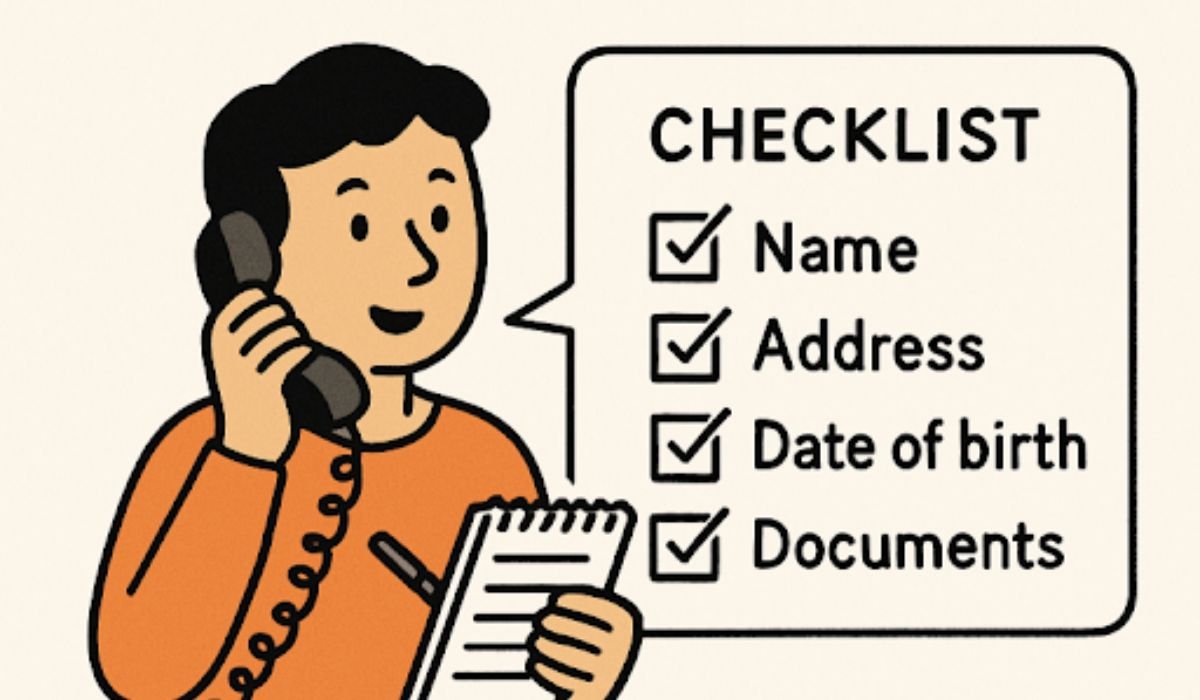
Preparation is critical before making your initial call. You’ll need several key pieces of information to help your agent locate records quickly and expedite the release process. Before picking up the phone, compile this essential data:
- Defendant’s Full Legal Name and Date of Birth: Accurate identification is necessary so the agent can find the appropriate case details in court or jail records.
- Location of Arrest: Specify the city, county, or detention facility where the arrest took place. This streamlines the process and ensures clarity about jurisdiction.
- Booking Number: If available, this unique reference number allows agents to retrieve all relevant arrest records quickly.
- Charges: A basic understanding of the charges against the defendant helps the agent anticipate potential complications or restrictions.
Missing or inaccurate information can lead to significant delays, increasing anxiety, and creating logistical barriers for both you and the agent. Always double-check each detail before you call to maximize efficiency.
READ ALSO: The Complete Step-by-Step Guide on How to Bail Someone Out of Jail
Understand the Costs Involved
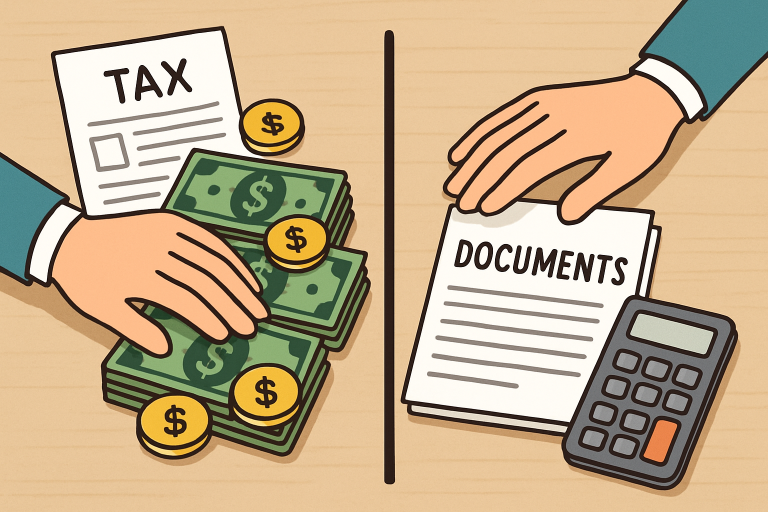
Certain unavoidable expenses come with securing a bail bond. In North Carolina, as in most states, the typical premium is 10% to 15% of the total bail, which is a set, non-refundable fee paid as compensation to the agent for assuming the risk. Agents may list all fees upfront, but transparency is essential. Always request a clear breakdown of potential charges, and be wary of those offering unusually low rates, as it could be a sign of hidden fees or unlicensed operations.
Prepare for the Agent’s Questions
During your first conversation, a professional bail bond agent will want to gain a complete understanding of the situation. This enables them to assess risk, determine collateral, and select the most suitable course of action. Expect questions like:
- Defendant’s Personal Information: Inquiries will extend beyond basic facts and might cover employment status, address, and family ties to assess flight risk.
- Details of the Arrest: Time, date, arresting agency, and the events that led to the arrest are all relevant for the agent’s review.
- Any Prior Criminal History: Information about previous arrests or pending charges helps agents judge eligibility for bond and potential restrictions.
Being honest and transparent with all responses is critical. Attempting to omit or misrepresent facts will only delay or jeopardize your case further down the road.
Discuss Payment and Collateral Options
The amount of bail and your financial circumstances will affect what types of payment and collateral are acceptable. Bail bond agents typically accept cash, credit cards, and sometimes personal checks. Larger bail amounts may require collateral—such as vehicles, property, or jewelry—as extra assurance should the defendant fail to appear in court. Some companies may offer payment plans. Be sure to discuss your financial situation openly and explore all available options in advance to prevent misunderstandings or added stress later.
Be Aware of Potential Scams
Unfortunately, not all agents operate ethically. To protect yourself, avoid anyone who solicits business directly at the jail, requests payment without providing official documentation, or offers bail bonds at a much lower premium than state-regulated standards. Always verify that any bail bond agent is properly licensed and that you receive written agreements outlining all terms and conditions. This proactive approach reduces exposure to common scams.
Understand Your Responsibilities
Agreeing to a bail bond entails both legal and financial responsibilities. The defendant must attend all scheduled court hearings and comply with any restrictions set by the court or the bail bond agent. If you’re signing on as an indemnitor (co-signer), you’re accepting responsibility for the full bail amount if the defendant fails to appear. Staying informed and maintaining open communication with your agent is crucial to ensuring that all parties fulfill their obligations and avoid incurring additional penalties.
Maintain Open Communication
The importance of staying in touch with your bail bond agent cannot be overstated. Open lines of communication help resolve any misunderstandings, provide a channel to receive reminders about court dates, and keep you updated as the legal process unfolds. Don’t hesitate to ask clarifying questions or request progress reports from your agent to make sure you’re always up to date on the case status.
Final Thoughts
Contacting a bail bond agent for the first time can be daunting, but preparation, honesty, and vigilance pave the way for a smoother experience. Gather all necessary details, understand the costs and your duties, and choose a reputable agent familiar with local procedures. By maintaining open communication, you can help ensure everyone involved meets their responsibilities and that your loved one spends as little time in custody as possible.
YOU MAY ALSO LIKE: Understanding the Role of Bail Bonds in the Criminal Justice System