








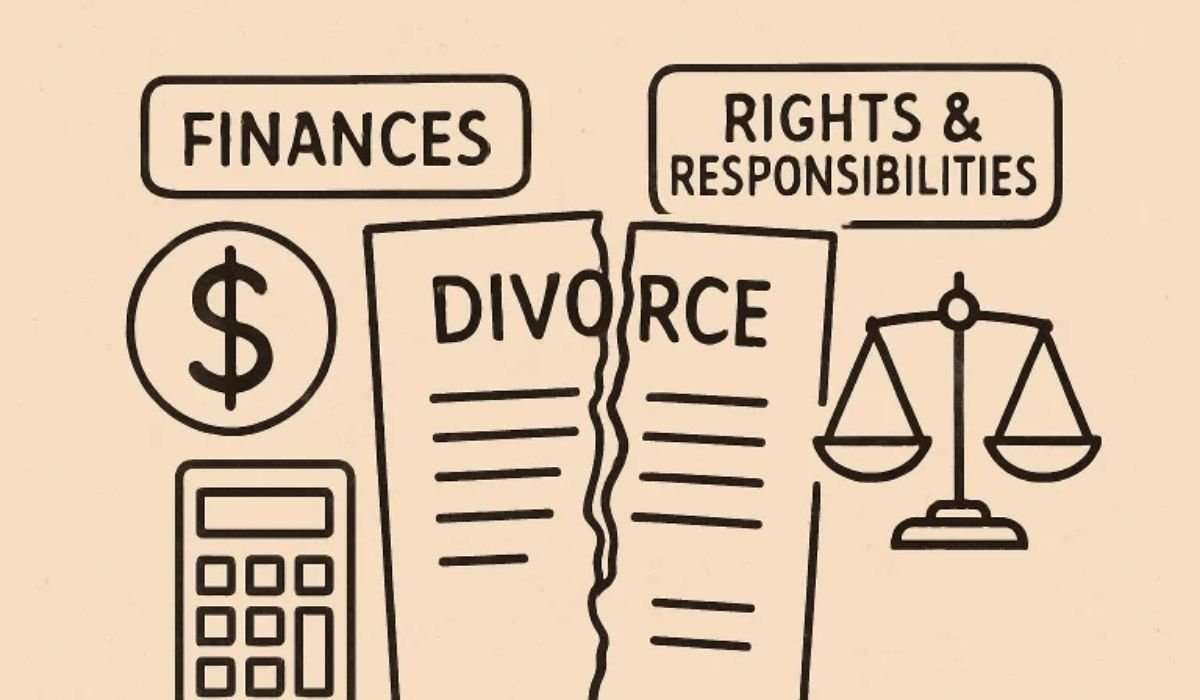
Divorce in Boston is not just a legal separation—it’s an emotional and financial journey that can have lasting effects. Whether you are just beginning to consider divorce or have already started the process, knowing what pitfalls to avoid is key. Taking the proper steps early can minimize stress, protect your rights, and set you up for a brighter future. To help guide you, consider support from experienced professionals, such as Turco Legal, P.C., who can help you avoid common missteps.
Many individuals make avoidable errors that prolong the process, increase costs, or result in less favorable legal or financial outcomes. By learning what not to do, you stand a better chance of navigating divorce in Massachusetts with confidence and clarity.
As you prepare, understanding how state laws affect asset division, custody, and other related matters will significantly benefit you. The legal landscape may seem intimidating, but with proper knowledge and professional support, you can chart a course through this significant life event without unnecessary setbacks.
Above all, approach the transition methodically. Emotional responses and rushed decisions are common, but they can also exacerbate the hardship. A strategic, informed approach, however, positions you for long-term success.
READ ALSO: Navigating the Legal Financial Obligations of Parents After Divorce
Overlooking Financial Disclosures
In Massachusetts, the court requires both spouses to provide complete and honest financial disclosures. Failing to produce these documents completely or accurately can cause delays and jeopardize your standing in court. From pay stubs and tax returns to retirement account statements and investment portfolios, every detail matters. Insufficient transparency can result in unfavorable settlements or even penalties. For more on what’s required, review the Massachusetts court’s official divorce forms and requirements.
Mismanaging Joint Debts
Joint debts, such as mortgages, car loans, or credit card balances, do not automatically dissolve with the marriage. Both parties remain responsible until new arrangements are made and documented in the divorce decree. Failing to fulfill these obligations can erode your credit and lead to future disputes, particularly if one spouse stops making payments. Examine your shared debts carefully and seek legal advice to divide them in an equitable manner. Clear agreements pave the way for a cleaner financial slate post-divorce.
Letting Emotions Drive Decisions
It’s normal to feel anger, sadness, or resentment during divorce. However, letting these emotions dictate your actions can be detrimental. Legal proceedings require rational decision-making and clear-headed negotiation. Harboring a desire for revenge or insisting on punitive outcomes often prolongs the process and increases costs for everyone involved. Engage with a counselor or support group as needed to manage emotional turmoil so you can focus on securing a stable future rather than winning a personal battle.
Posting About Your Divorce on Social Media
While it may be tempting to share your experiences online, doing so can introduce serious risks. Anything you post may be used as evidence in court, which could influence asset division or child custody rulings. Emotional outbursts, details about new relationships, or disparaging remarks can all backfire. It’s wisest to avoid discussing your divorce online and to advise friends and family to respect your privacy as well. For more tips on managing your online presence, refer to the New York State Bar Association’s guide on how to manage your online reputation.
Neglecting to Update Estate Planning Documents
Divorce can dramatically alter your legal and financial status, making it crucial to update your will, power of attorney, and beneficiary designations. Many people overlook this step, which can result in unintended individuals receiving your assets or the wrong person being granted authority in emergencies. After the divorce, review and revise these documents to reflect your current wishes as soon as legally possible.
Ignoring Tax Implications
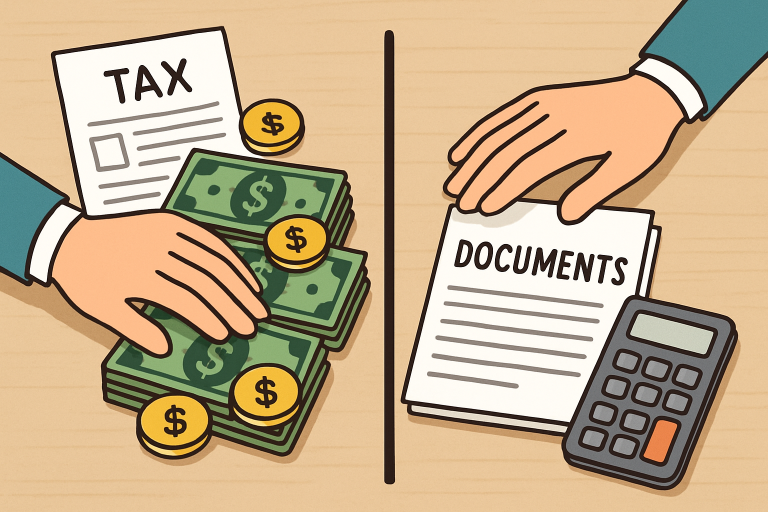
Dividing assets—including retirement accounts, properties, or investments—and negotiating alimony can have substantial tax consequences. If you overlook this, you may face unexpected tax bills down the line. Decisions made during the divorce process, such as choosing whether to sell the family home or how to structure alimony, all carry tax ramifications. Consulting with a tax professional will help you avoid costly surprises and optimize your finances for the next chapter of your life.
Failing to Consider Mediation
Mediation is a voluntary process that helps couples resolve disputes outside of court. Choosing litigation over mediation can result in higher costs, longer waits, and greater emotional distress. Mediation often leads to more amicable agreements, improved co-parenting, and a greater sense of closure. Before dismissing this option, have an honest discussion with your attorney or a qualified mediator to see if it could suit your unique situation.
Not Seeking Professional Legal Advice
Trying to navigate divorce without legal support is a significant risk. Massachusetts divorce law is intricate, and missteps can have lifelong effects on your finances, cross-state custody agreements, and parental rights. Engaging an experienced attorney ensures that you understand your rights, meet all deadlines, and push for the fairest possible outcome. Professional guidance can also expedite the process and provide much-needed peace of mind.
Conclusion
The choices you make during divorce will shape your financial stability, your relationships with children, and your overall well-being for years to come. Avoiding these common mistakes by prioritizing transparency, seeking guidance, and maintaining emotional restraint ensures that you have the best chance of achieving a positive outcome. If you’re facing divorce in Boston, take the process step by step and leverage qualified support to move forward with confidence.
YOU MAY ALSO LIKE: Making Sense of Property and Pensions in Divorce Settlements