








Equestrian centers play a vital role not just for riders, but for the entire surrounding community. Beyond teaching horseback riding skills, these centers foster supportive environments that positively impact well-being, social connections, and local prosperity. For those seeking connection, recreation, and education, centers like Show Barn Lake County IL, embody much more than stables—they are a source of inspiration and inclusion.
By making equestrian activities accessible and catering to a range of needs, these centers provide therapeutic, social, and economic benefits that extend throughout the community. Riders, families, and neighbors all benefit from the growth, learning, and support that naturally develop where horses and humans come together. Modern equestrian facilities now strive to welcome people from every walk of life, ensuring that the joys of horsemanship and animal care are accessible to everyone, not just a select few.
Mental Health and Therapeutic Benefits
Interacting with horses is profoundly healing, and equestrian centers provide enhanced access to equine-assisted therapy for people of all ages. Programs that incorporate horse riding and care help individuals manage anxiety, depression, PTSD, and emotional challenges. The rhythmic movement of horseback riding, paired with the calming presence of horses, delivers both physical exercise and emotional calm. These centers often integrate mindfulness techniques and digital detox practices, providing participants with a unique way to destress and develop self-awareness—critical elements for healthy living, as supported by Psychology Today.
For those seeking respite from hectic routines and activities, equestrian centers offer a nature immersion experience and time with empathetic animals, fostering mental clarity and emotional resilience. The stability and camaraderie found in barns also counter loneliness and help build strong support networks for riders and their families.
READ ALSO: The Impact of Weather on Your Derby Picks: What You Need to Know
Promoting Inclusivity and Breaking Barriers
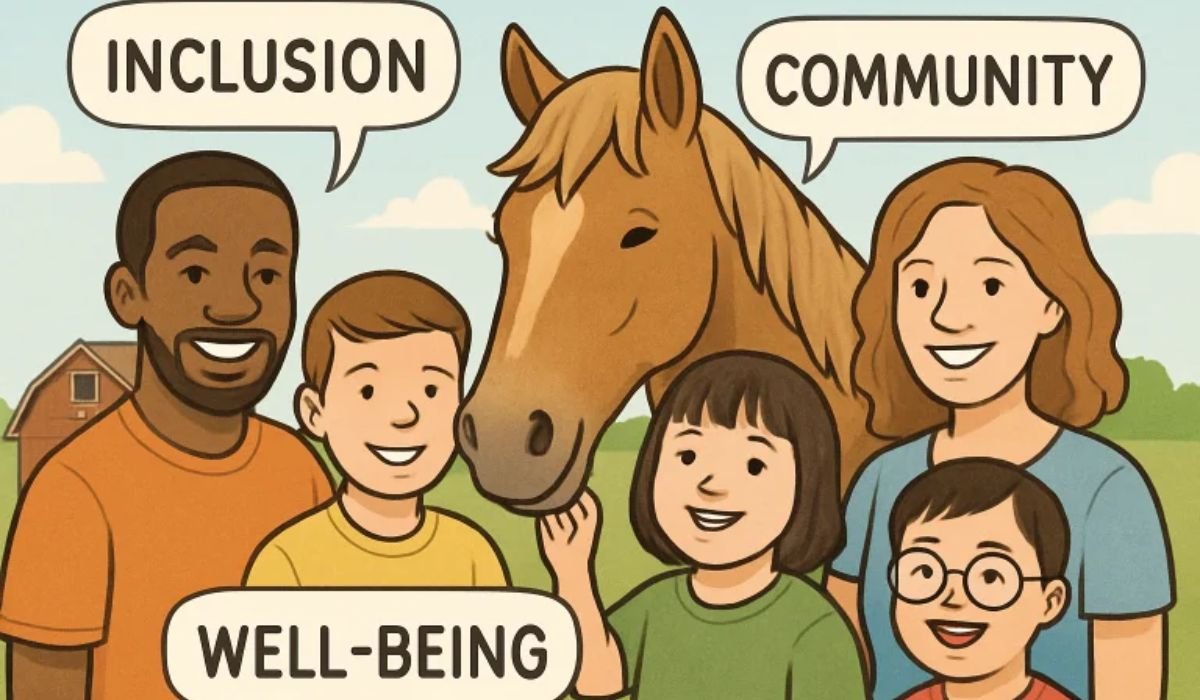
Historically viewed as exclusive, many equestrian centers are now actively working to broaden participation by welcoming beginners and making horse-related activities more affordable. Community programs and scholarships are breaking down financial and social barriers, ensuring that talented, passionate youth from all backgrounds can access horses and pursue equestrian sports. Some organizations, such as Compton Jr. Equestrians, are nationally recognized for bridging gaps and inspiring social change in areas where equestrian opportunities once seemed out of reach.
By offering clinics, mentorship, and outreach to schools, progressive centers create career pathways in veterinary fields, equine science, professional training, and stable management. A single introduction to horses at the right facility can ignite a lifelong passion and shape both educational and professional ambitions. The New York Times highlights how such programs not only foster equestrian skills but also build self-esteem and resilience in youth facing adversity.
Community Building and Social Connection
Equestrian centers naturally become community hubs where friendships flourish, and families find common ground. The cooperative routines of barn life—feeding, grooming, and preparing for shows—create space for volunteers, mentors, and supporters to unite around shared goals. The “barn family” model helps young people develop a sense of belonging, while adults benefit from a nurturing social sphere and the joy of contributing to group successes.
Shows and community events invite spectators, creating environments where neighbors gather to share experiences and celebrate achievements. The impact extends well beyond equestrian sports, as a growing body of research reveals the importance of social connection to both health and happiness, according to Harvard Health.
Educational Opportunities and Life Skills Development
Horsemanship is not just about riding—it involves comprehensive education in animal care, teamwork, and responsibility. Equestrian centers foster personal and academic growth through structured lessons, hands-on barn tasks, and mentorship. Riders learn to set goals, practice leadership, and cooperate with others, skills that translate well into school, careers, and relationships. The responsibility of caring for large, sensitive animals teaches patience, accountability, and empathy, qualities that benefit participants long after their time in the saddle.
Economic Impact and Local Business Support
Equestrian centers play a vital role in strengthening local economies, particularly in rural and suburban areas. By hosting competitions, clinics, and exhibitions, they draw visitors from outside the region, increasing occupancy at hotels, patronage at restaurants, and sales at nearby retail stores. These centers also foster partnerships with local feed suppliers, veterinarians, trainers, and construction contractors, generating consistent business and supporting employment opportunities. Beyond economic impact, equestrian facilities help preserve open green spaces, provide recreational options for the community, and serve as hubs for events and tourism, making them key contributors to sustainable local growth and development.
Conclusion
Equestrian centers serve as vital hubs where tradition, learning, and personal well-being intersect, benefiting riders, families, and surrounding communities alike. They preserve the heritage of horsemanship while providing educational programs that teach responsibility, empathy, and confidence. Beyond instruction, these spaces promote physical fitness, mental balance, and emotional growth through meaningful human–animal connections. When communities support centers committed to diversity, inclusion, and holistic care—such as Long Grove Farms—they help create welcoming environments accessible to people of all backgrounds and abilities. Sustained investment ensures safe facilities, ethical animal care, and innovative programming. In doing so, we safeguard opportunities for future generations to experience lasting social, educational, and wellness benefits.
YOU MAY ALSO LIKE: Boosting Your Riding Skills with Wing Standard Horse Jumps