









Key Takeaways:
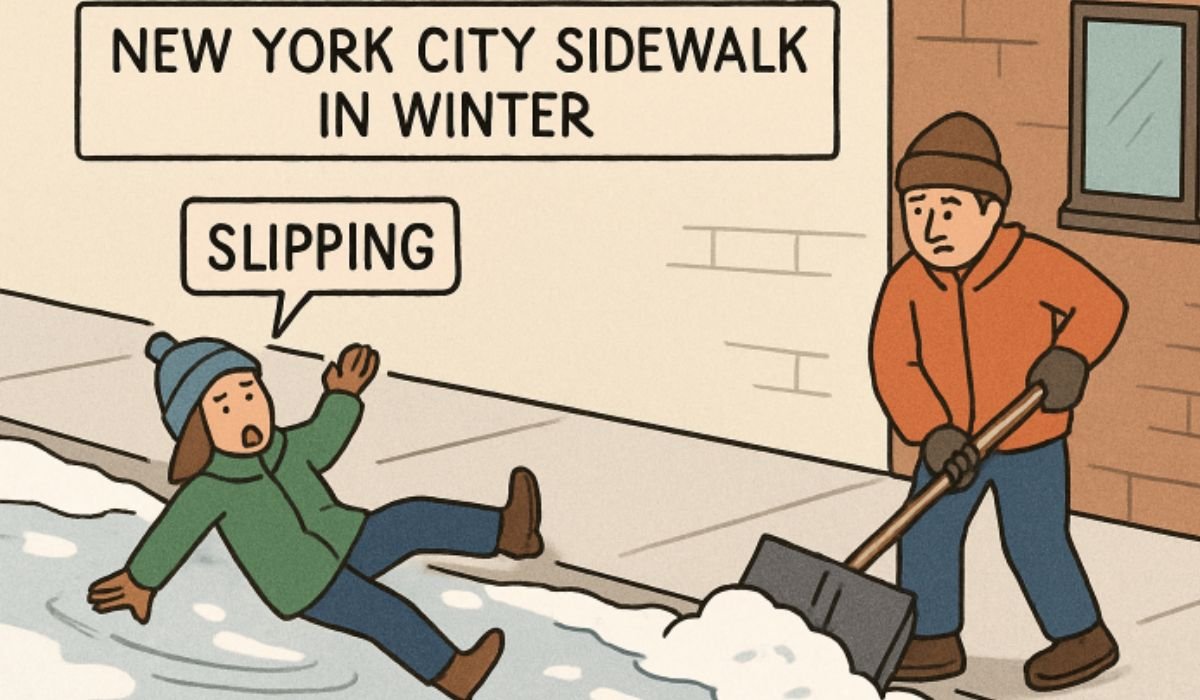
- Property owners in New York City are legally obligated to clear snow and ice from sidewalks adjacent to their properties within specific timeframes.
- Failure to remove snow and ice can result in liability for injuries sustained due to slip and fall accidents.
- Victims of slip and fall accidents should document the scene, seek medical attention, and consult with a legal professional to understand their rights.
Navigating the aftermath of a slip and fall accident on snow or ice in New York City can be overwhelming. With harsh winter storms and busy sidewalks, these incidents are unfortunately common, making it crucial for both property owners and pedestrians to understand their legal responsibilities and protections. Knowledge of the law can safeguard your rights, especially if you’re considering action for an injury. To find expert legal support, visit 24injurylaw.com for guidance on navigating your claim.
Beyond the risk to your health, a slip and fall incident can lead to significant disruption in your day-to-day life. From dealing with medical treatments and lost income to the emotional stress involved in the recovery process, understanding your rights can make a substantial difference. Property owners also face real risks, including lawsuits and fines, if they fail to comply with city requirements to clear sidewalks and walkways. Being proactive is in everyone’s interest.
The winter season in New York City increases the frequency and severity of slip-and-fall incidents. Statistics from the National Safety Council indicate that falls are a leading cause of injury during winter, underscoring the importance of being prepared and knowing the necessary steps to take in the event of an incident. While not every accident results in a legal claim, those caused by negligence can often be pursued in civil court, offering some relief to victims.
By understanding your responsibilities and rights, you can better protect yourself and others in icy conditions. This guide breaks down what you need to know, from legal requirements for property owners to advice on documenting and proving a slip and fall claim, as well as preventive steps everyone should take in snowy weather.
Legal Obligations of Property Owners
Property owners in New York City have a clear legal duty to remove snow and ice from the sidewalks bordering their premises. According to the NYC Administrative Code, if snow stops falling between 7:00 a.m. and 4:59 p.m., sidewalks must be cleared within four hours of the end of the snowfall. If it ceases between 5:00 p.m. and 8:59 p.m., owners are given 14 hours to respond. Failing to comply not only exposes owners to fines from the city but also opens up the possibility of civil liability if someone is injured due to hazardous, uncleared walkways.
The city enforces these rules firmly, and as the New York Times reports, fines can be substantial, especially during heavy storms. Owners should also be aware that city inspectors respond quickly to complaints, so timely action is necessary not only for safety but to avoid enforcement penalties.
Common Injuries from Slip and Fall Accidents
Ice and snow create conditions ripe for serious falls. Common injuries from these incidents include fractures (especially wrists and hips), traumatic brain injuries, spinal injuries, and soft tissue sprains or strains. Even seemingly minor slips can result in lingering pain or long-term disability, impacting a person’s ability to work and take care of their family. The financial and emotional toll of these accidents can be substantial.
- Fractures and broken bones
- Head trauma and concussions
- Spinal cord injuries
- Sprains, strains, and bruising
Immediate medical evaluation is crucial, not only for your health but also to document injuries in case you need to pursue a legal claim for recovery.
Steps to Take After a Slip and Fall Incident
What Victims Should Do Immediately
- Seek Medical Attention: Get evaluated promptly, even if you think the injury is minor. Some conditions, such as concussions, may not be immediately apparent.
- Document the Scene: Use your phone to take clear photos of the hazard and any injuries you may have. If conditions change quickly (e.g., snow is removed right after your fall), the photos could make or break your case.
- Collect Witness Information: Names and contact details from people who saw your fall may prove invaluable if you make a claim.
- Report the Incident: Notify the property owner or building manager, and ensure your report is entered into an official log or incident report.
- Consult a Legal Professional: Timely advice can help you avoid mistakes and strengthen your case. Legal experts can also help you determine if city laws or building codes have been violated.
These steps ensure that you establish a factual basis for any insurance or legal claim and demonstrate that you acted responsibly in the aftermath of the incident.
Proving Liability in Slip and Fall Cases
Winning a slip and fall claim usually requires you to prove:
- Duty of Care: The property owner was legally obligated to maintain a safe area.
- Breach of Duty: The owner failed to remove snow or ice in a timely manner or left dangerous conditions untreated.
- Causation: The unsafe condition was the direct cause of your fall and injuries.
- Damages: You sustained measurable losses such as medical bills or lost wages.
Evidence from the scene, witness statements, and medical records is crucial. Sometimes, surveillance footage or city inspection reports may also support your case.
Preventive Measures for Property Owners
Preventing slip and fall accidents is both responsible and cost-effective. Strategies include:
- Shoveling snow promptly and applying salt or sand to walkways
- Regularly checking sidewalks for refreezing or other hazards
- Improving lighting in entryways and walkways so hazards are visible
- Posting warning signs or temporary barriers for slick areas during extreme weather
These steps not only reduce the chances of accidents but also show good faith efforts to comply with city codes, which may be important in any dispute.
Legal Recourse for Victims
Injured individuals have the right to pursue compensation, including medical expenses, lost wages, and pain and suffering. Consulting a legal professional ensures that your claim is handled appropriately and increases your chance of receiving fair compensation. New York law has strict deadlines—known as “statutes of limitations”—so do not delay seeking help if you’ve been injured.
Understanding your options and the legal process can be daunting, but with the right assistance, you can effectively protect your interests while focusing on your recovery.
Final Thoughts
Snow and ice slip and fall accidents are a recurring challenge each winter in New York City. By understanding the specific legal obligations of property owners, knowing what steps to take after an incident, and seeking timely guidance, both residents and pedestrians can contribute to a safer urban environment. Whether you are recovering from an accident or looking to minimize your liability as a property owner, knowledge and preparation are key to safely navigating winter’s hazards.