










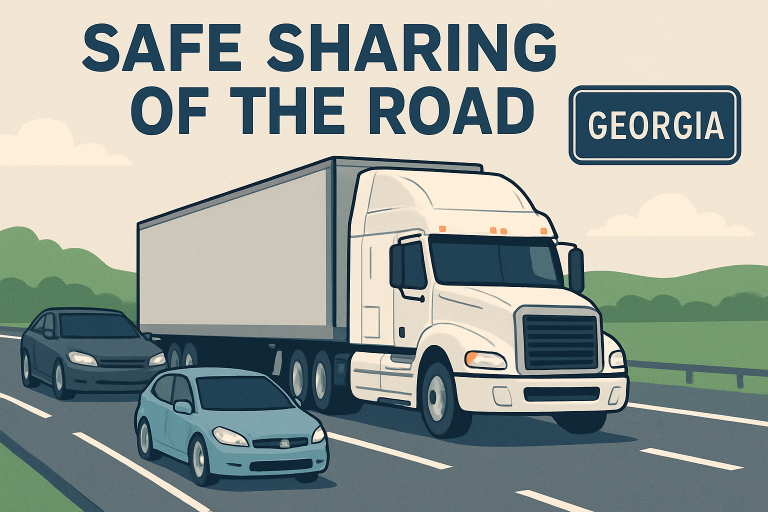
Traversing Georgia’s highways means sharing the road with a wide variety of vehicles, from family cars to massive commercial trucks. The presence of these large trucks on main thoroughfares like I-75 and US-27 creates a dynamic and sometimes risky traffic environment. To mitigate these risks and promote safety, federal trucking regulations stand as the backbone of safe travel for everyone on the road. These safeguards, enforced at both the national and state levels, ensure that truck operators adhere to rigorous standards for safe driving and vehicle operation. Anyone impacted by a trucking accident should know experienced Georgia truck accident lawyers are available to protect their rights and guide them through the legal process.
Federal regulations are not only about enforcement; they are about prevention. By holding trucking companies and drivers to strict operational and safety standards, regulators aim to minimize accidents, lessen the severity of crashes, and protect both motorists and pedestrians across the state. These laws serve to make each journey on Georgia’s highways and rural roads as safe as possible for everyone involved.
Hours of Service Regulations
Driver fatigue is consistently named as a top contributor to catastrophic truck accidents across the United States. To address this danger, the Federal Motor Carrier Safety Administration (FMCSA) enforces Hours of Service (HOS) rules. These rules specifically cap commercial drivers to 11 hours of driving after at least 10 consecutive hours off duty, thereby helping prevent drowsy driving, a significant impairment that can rival the effects of alcohol. Modern logging technology also tracks compliance with these rules, ensuring that drivers stick to their rest requirements.
Mandatory Safety Technologies
Fleet safety has advanced significantly with technology. The FMCSA mandates that new trucks feature advanced driver-assistance systems, such as automatic emergency braking, collision-avoidance technology, and lane-departure warnings. These innovations directly reduce accident risk by helping drivers avoid dangerous situations or alerting them to hazards outside their control. Such safety technologies create another vital barrier to safety for both truck drivers and those who share the road with them.
Weight Limitations and the Bridge Formula
Overloaded trucks are not just operational hazards—they present significant threats to infrastructure and road safety. Exceeding safe weight limits can increase braking distances, increase the risk of tire blowouts, and lead to catastrophic equipment failures. The Federal Bridge Gross Weight Formula establishes maximum allowable truck weights based on axle count and spacing. This system protects bridges and highways from excessive stress, helps ensure structural longevity, and reduces the likelihood of serious accidents caused by overloaded trucks.
Driver Qualification Standards
Ensuring drivers possess the necessary qualifications is essential to maintaining safe roads. The FMCSA sets forth comprehensive requirements that commercial drivers must meet before operating large trucks. These include passing a rigorous background check, achieving satisfactory results on a medical exam, and demonstrating skill through both written and practical tests for a Commercial Driver’s License (CDL). Only those with the requisite training and fitness are allowed behind the wheel, improving safety for everyone on Georgia’s highways.
Impact of Regulations on Georgia Roads
Georgia has observed measurable benefits from implementing these federal standards. The adoption of stricter HOS regulations, for example, has been associated with a decline in fatigue-related truck crashes, particularly along busy corridors such as I-285 and GA-400. Enhanced requirements for driver fitness and the wider use of safety technology have further reduced incident frequency, contributing to safer travel conditions across urban and rural areas alike.
Challenges in Enforcement
Even with strong regulations in place, enforcement is an ongoing challenge. Some trucking companies may incentivize or pressure drivers to exceed safe operational limits or skip necessary maintenance. Such practices prioritize speed and delivery times over safety, putting all motorists at risk. Effective enforcement requires consistent roadside inspections, weigh station compliance, and strong penalties for violations, yet resource limitations and industry pressure can make oversight difficult in practice.
Recent Developments in Trucking Regulations
Georgia has recently updated its trucking regulations to respond to the changing needs of the state’s key industries. Notably, legislation in 2023 increased the maximum allowable weight for certain commercial trucks transporting forestry and agricultural products to 88,000 pounds on a temporary, two-year basis. While this adjustment aims to support the state’s vital industries, it also adds complexity to enforcement and raises questions about the long-term effects on infrastructure and public safety.
Conclusion
Federal trucking regulations create a vital framework that underpins the safety of Georgia’s highways and interstate corridors. By prioritizing driver rest, incorporating advanced safety technologies, enforcing strict weight limits, and ensuring high driver standards, these rules help protect lives and livelihoods throughout the state. While enforcement remains an ongoing challenge, the trend toward stronger and smarter regulation is a positive step for everyone who travels Georgia’s roads.