








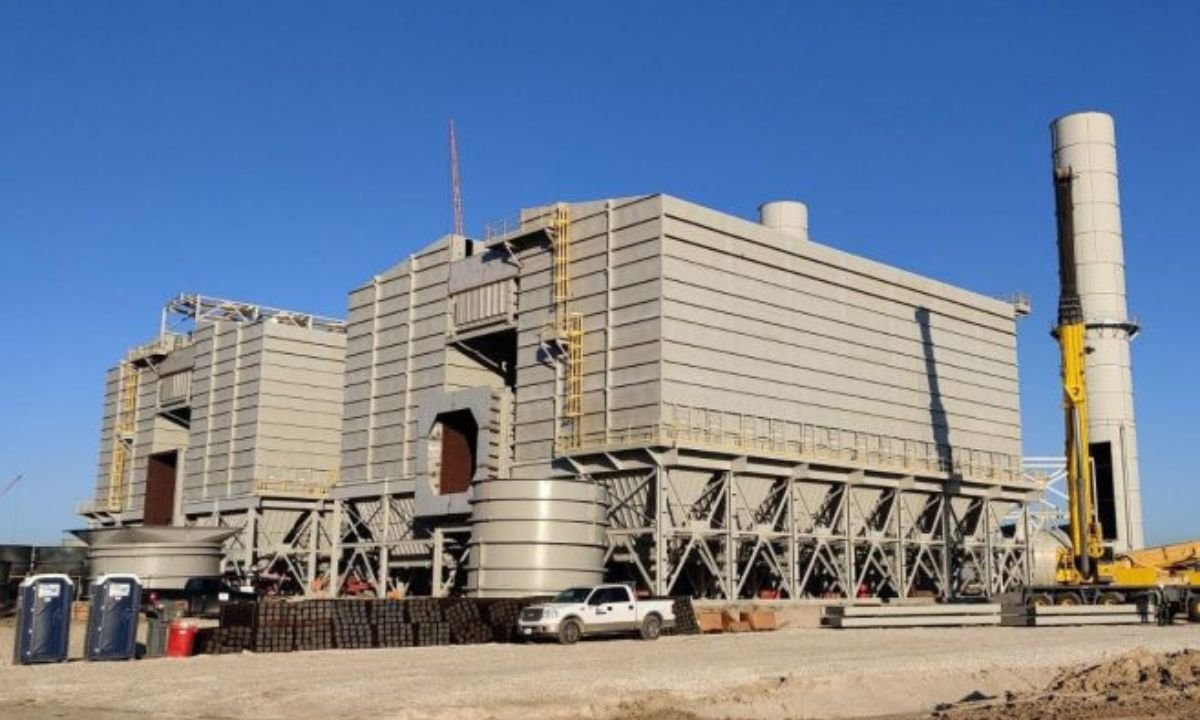
In the heart of a bustling foundry, the roar of a furnace isn’t just melting metal—it’s unleashing a barrage of fumes, sparks, and fine particulates that can choke operations, endanger workers, and invite hefty fines. Without effective control, these emissions turn a productive workspace into a hazard zone. That’s where a robust furnace dust collector steps in, transforming chaotic air into a compliant, breathable environment.
Industrial air filtration has become indispensable in modern manufacturing, especially in metalworking and foundry operations where high-heat processes generate metallurgical smoke and particulate matter (PM). These systems not only capture harmful contaminants but also boost efficiency by recycling heat and reducing downtime. In this guide, you’ll discover the key differences between collector types, strategies for handling high-temperature filters, and tips to ensure air quality compliance. Whether you’re upgrading an existing setup or installing a new one, understanding furnace dust collectors empowers you to select the right solution for your facility’s unique demands.
Understanding the Role of a Furnace Dust Collector
Furnace operations in metalworking produce more than just molten material—they generate a complex mix of emissions that demand specialized filtration. A well-designed furnace dust collector acts as the frontline defense, pulling in contaminated air, filtering out pollutants, and releasing cleaner exhaust.
Capturing High-Temperature Smoke and Fumes
Metallurgical smoke from metal melting emissions differs markedly from standard dust like wood or plastic particles. It’s finer, often submicron in size, and laden with volatile compounds that can condense into sticky residues. High-temperature filters are essential here, as furnace exhaust can reach 500°F or more, requiring systems that withstand heat without degrading.
In many cases, a cooling process precedes filtration. For instance, dilution air or heat exchangers lower temperatures to protect filter media, preventing melting or premature failure. Pulse-jet cleaning mechanisms then dislodge captured particulates, ensuring continuous operation. This setup is critical for fume extraction in applications like electric arc furnaces, where emissions include heavy metals and oxides.
Protecting Your Workforce and Environment
Beyond efficiency, furnace dust collectors safeguard health and compliance. OSHA standards mandate ventilation to keep airborne contaminants below permissible exposure limits (PELs), such as for PM, while EPA regulations under New Source Performance Standards (NSPS) limit emissions from sources like electric arc furnaces to 0.0052 grains per dry standard cubic foot.
Efficient filtration reduces risks of respiratory issues, skin irritation, and long-term conditions like metal fume fever. It also enhances employee retention by creating a safer, more comfortable workspace. Environmentally, these systems curb outdoor pollution, helping facilities meet air quality compliance and avoid penalties. Improper collection heightens dangers, including combustible dust fires or explosions if metal particles accumulate unchecked.
Types of Furnace Dust Collection Systems
Selecting the right type depends on your operation’s scale, dust characteristics, and space constraints. Here’s a breakdown of common options.
Pulse-Jet Baghouses: The High-Volume Workhorse
For heavy dust loads and temperatures up to 500°F, pulse-jet baghouses excel. These systems use fabric bags to trap particles, with compressed air pulses cleaning the media for uninterrupted flow. Ideal for foundry applications, they handle high volumes efficiently, often with air-to-cloth ratios of 5:1 to 12:1.
The mechanics involve reverse air blasts that flex the bags, shaking off dust into a hopper. This makes them superior for sticky or abrasive metallurgical smoke compared to other types.
Cartridge Collectors: Efficiency for Smaller Footprints
Cartridge dust collectors shine in compact spaces, using pleated filters for finer fumes. They’re best for lighter loads and temperatures under 200°F, offering quick filter swaps and lower energy use. Maintenance is straightforward—cartridges replace faster than bags, reducing labor.
However, for high-temperature or heavy-duty furnace fumes, baghouses often outperform cartridges due to better heat resistance and capacity.
Cyclone Separators: Pre-Filtering the Heavy Stuff
As a pre-filter, cyclone separators use centrifugal force to spin out large sparks and particles before they reach the main collector. This extends filter life and prevents damage from abrasive debris. They’re energy-efficient and pair well with baghouse or cartridge systems for comprehensive industrial furnace emission control.
Key Factors to Consider When Selecting Your System
The right furnace dust collector aligns with your facility’s specifics. Focus on these elements to optimize performance.
Temperature Ratings and Filter Media
Match filter materials to your furnace’s output. Aramid or PTFE fabrics handle high temperatures (up to 500°F standard, or 1,300°F with specialties), resisting chemical degradation. The air-to-cloth ratio—airflow divided by filter area—should be 2:1 to 5:1 for balanced efficiency; too high risks clogs, too low wastes space.
For maximum temperature, systems can manage 275°F continuously with proper media, but consult specs—some require cooling for longevity.
Ductwork Design and Hood Placement
Effective source capture beats ambient filtration by grabbing fumes at the point of generation. Hood placement should ensure conveying velocity (3,500–4,000 FPM) prevents settling in ducts. Physics dictate that poor design leads to re-entrainment, so prioritize streamlined layouts for energy-efficient solutions.
To size a furnace dust collector, calculate CFM based on exhaust volume, then divide by filter area for the air-to-cloth ratio. Tools like online calculators aid precision.
Maintenance and Longevity: Keeping the System Running
A top-tier system demands upkeep to deliver value.
Monitoring Pressure Drop (Differential Pressure)
Use a manometer to track differential pressure; a rise (e.g., 1–2″ WC) signals clogs from blinding in moist or oily settings. Address by pulsing more frequently or replacing media. Bags or cartridges typically last 1–3 years, but in furnace setups, check every 6–12 months—replace sooner if pressure spikes.
Routine Inspection Checklists
Inspect seals, valves, and hoppers quarterly. Empty hoppers regularly to avoid backups. Look for leaks, emissions, or unusual sounds. For baghouse vs. cartridge maintenance, cartridges swap quicker, but both benefit from preventive plans to minimize downtime.
| Maintenance Task | Frequency | Key Check |
|---|---|---|
| Filter Inspection | Monthly | Dirt buildup, tears |
| Pressure Monitoring | Daily/Weekly | 1–2″ WC increase |
| Hopper Emptying | As needed | Prevent overflow |
| Seal/Valve Check | Quarterly | Leaks, functionality |
| Full System Audit | Annually | Compliance, efficiency |
This table outlines essentials; adapt based on usage.
Conclusion
Investing in a furnace dust collector pays dividends in safety, compliance, and efficiency. Whether opting for a baghouse for robust handling or a cartridge for compact prowess, prioritize systems that match your high-temperature needs and dust profile.
As regulations evolve, staying proactive with advanced filtration keeps your operation ahead. Consult an air quality specialist today or download specs tailored to your furnace type—your team and bottom line will thank you.
READ ALSO: Nnovations in Industrial Mixing: Meeting New Challenges in Bulk Processing