








Recovery from addiction is often portrayed as a daunting and lonely journey, but the truth is that even the smallest acts of kindness can provide meaningful support along the way. Whether it is a simple compliment, a quiet moment spent together, or an offer of a helping hand, these small gestures help build a sense of belonging and hope. Sometimes, those in recovery from substance use disorder find that support is not only essential, but it is also deeply healing. Connecting with compassionate resources, like alcohol and drug addiction Westchester County NY can be a pivotal step for individuals looking to reinforce their recovery with positivity and encouragement.
These seemingly modest actions can uplift, empower, and inspire people to keep moving forward, especially when the weight of recovery feels overwhelming. Often, uplifting moments accumulate and become a consistent part of one’s daily routine, laying the foundation for resilience. Not only do they help reduce the isolation sometimes experienced during recovery, but they also instill confidence in one’s progress and future possibilities.
Many experts underscore the value of community and connection as fundamental pillars of successful recovery. When individuals feel seen, heard, and valued, they are better able to stay motivated and continue their progress. The science backs this idea, shedding light on the remarkable benefits of kindness, encouragement, and shared humanity.
The Power of Small Gestures
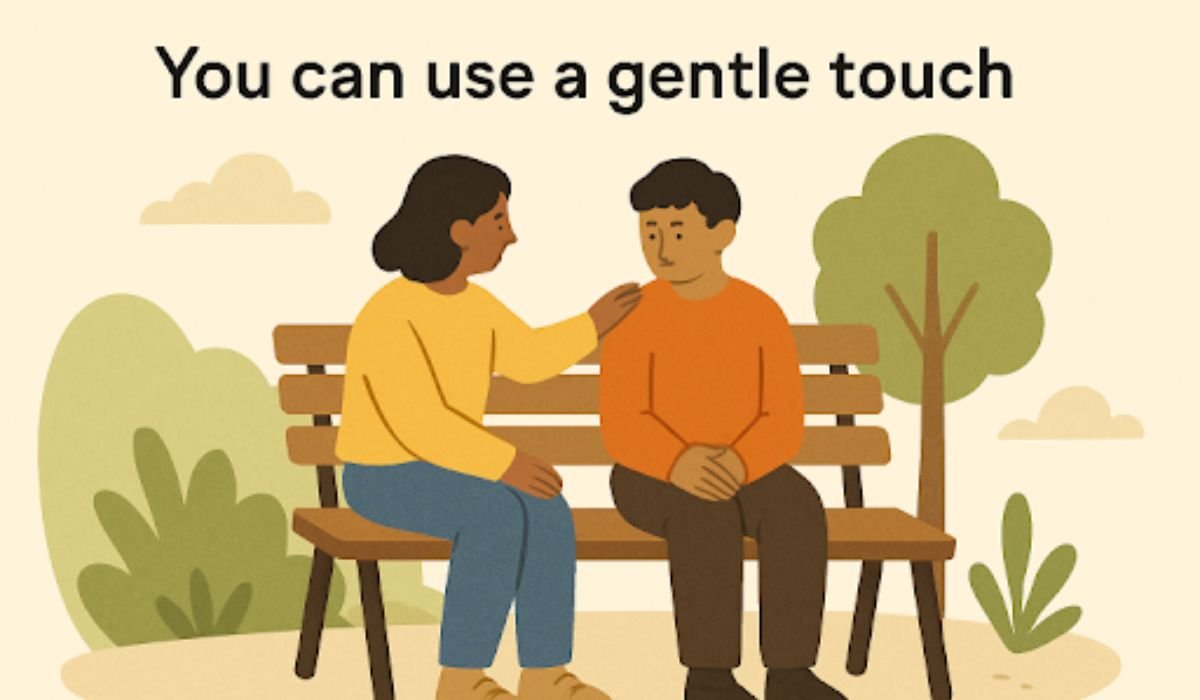
The importance of small gestures in recovery cannot be overstated. Even the simplest form of kindness can shine a light in what feels like the darkest of times. A brief smile that validates someone’s experience, or showing up without judgment, can make a person feel seen and valued. In early recovery, when motivation and self-worth might be low, these acts serve as reminders that the world is full of caring people and meaningful connections.
Building Trust and Encouragement
Trust is crucial for those in recovery, and small gestures help build it brick by brick. When friends, families, and peers demonstrate consistent, genuine support, individuals in recovery are more likely to open up, accept help, and engage in the healing process. This not only strengthens their resolve but also fosters long-term relationships that extend beyond recovery milestones.
Examples of Impactful Gestures
- Listening Attentively: By simply being present and attentive, you let someone in recovery know that their feelings and experiences matter. Listening without judgment or advice can be remarkably reassuring and comforting.
- Words of Encouragement: Positive reinforcement, such as “I believe in you” or “You are making great progress,” can significantly boost a person’s confidence and help them overcome self-doubt.
- Acts of Service: Helping with daily responsibilities, such as running errands, preparing a meal, or assisting with transportation to meetings, can minimize everyday stressors and let your loved one focus more on their recovery.
Setting Healthy Boundaries
Offering help does not always mean taking on responsibility for someone else’s recovery. Healthy boundaries protect both the person in recovery and their supporters, ensuring that kindness is given freely and sustainably. For those interested in learning more about setting effective boundaries in challenging situations, Psychology Today’s resources on boundaries can be useful.
Scientific Evidence Supporting Kindness in Recovery
The impact of kindness is more than anecdotal. Recent studies suggest that even brief, daily acts of kindness can increase levels of happiness and improve physical well-being. According to a Business Standard article discussing research on kindness, engaging in small positive actions triggers hormonal changes that lower stress and enhance immune function. In the context of recovery, these physiological and emotional benefits offer individuals hope and strength for sustained progress.
Engaging in supportive, positive interactions has also been shown to encourage the production of dopamine and serotonin, chemicals associated with well-being and a sense of achievement. As a result, small gestures serve as both an emotional and biological boost to those battling addiction.
In fact, findings indicate that practicing intentional kindness, even for just 5 to 10 minutes each day, can lead to a measurable improvement in happiness.
Implementing Small Gestures in Daily Life
Integrating kindness into your daily routine does not require grand actions. Here are a few ways to make a tangible difference each day:
- Send a thoughtful message to someone in recovery. Even a short text saying “thinking of you” goes a long way.
- Offer help with routine tasks, such as grocery shopping, cleaning, or transportation to support group meetings.
- Invite someone to share a meal, coffee, or a simple walk to offer companionship and support.
- Celebrate small milestones, whether it is a week, a month, or a year of sobriety, to affirm progress and dedication.
Community Support and Involvement
Connecting with support networks, whether through formal recovery groups, therapy, or community organizations, further amplifies the benefits of small gestures. Acts of kindness and encouragement can come from multiple sources, enriching the individual’s experience and boosting their sense of belonging. Friends, family, and community members can all play crucial roles in reinforcing recovery.
The Ripple Effect of Kindness
One person’s act of kindness can inspire others to do the same, rippling outward to uplift entire communities. Science supports the idea that witnessing kindness often encourages others to act similarly, multiplying the impact far beyond the original gesture. These positive behaviors can shape community culture and foster a supportive environment where hope and recovery thrive.
Ultimately, the ripple effect creates a community of shared empathy and mutual support, vital to recovery efforts. By serving as role models, individuals not only support those currently in recovery but also contribute to broader change in how society approaches addiction and recovery.
Conclusion
Small gestures truly have the power to make a lasting, substantial difference in the lives of those navigating recovery. Whether you are a loved one, a friend, a neighbor, or part of a recovery community, your kindness helps light the way toward hope and healing. Through consistency, compassion, and a willingness to connect, you can help spark change that supports recovery and strengthens the community as a whole.
YOU MAY ALSO LIKE: The Ultimate Guide to DignoTech: Your Personal Healthcare Revolution, Powered from Cairo