







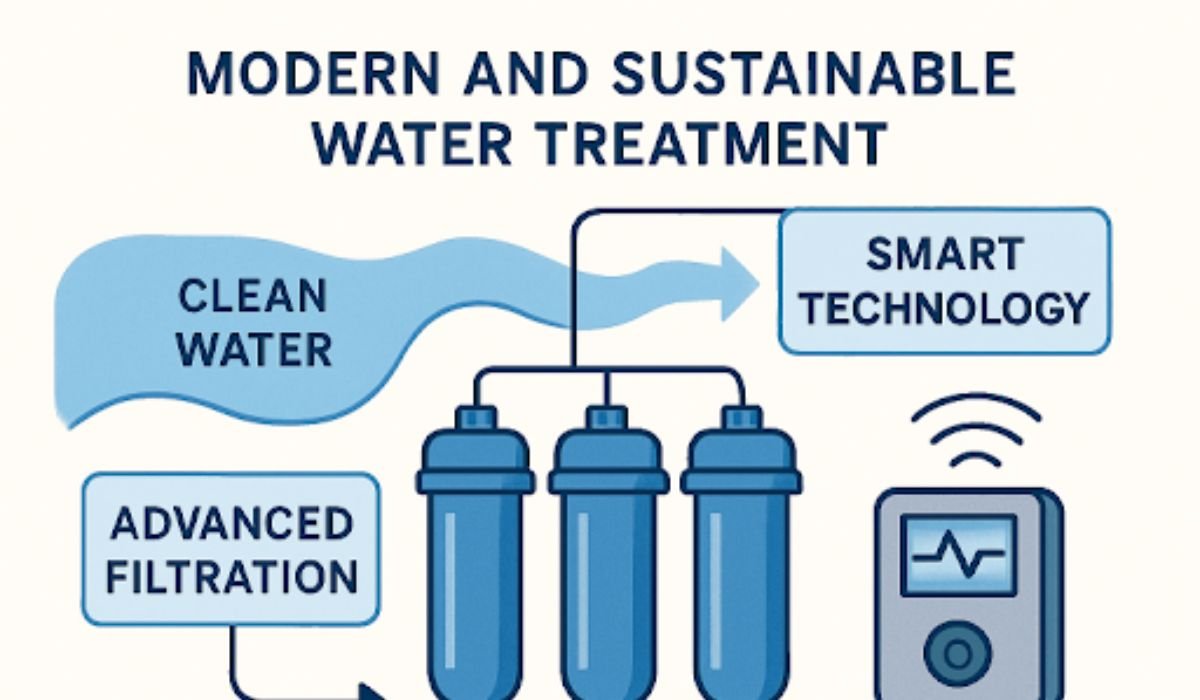
Across the globe, water providers are embracing new technologies to deliver safer, more sustainable drinking water. These recent advances stretch from the use of novel filtration materials to the deployment of digitally enhanced monitoring systems, all designed to tackle today’s toughest water quality challenges. In California, for example, controlling microbial buildup in complex water pipes and systems remains key, as even small biofilm growths can harbor pathogens and degrade water quality. Providers in the state and elsewhere often turn to biofilm control solutions California to manage health risks, prevent infrastructure damage, and assure pure water at every tap, safeguarding communities from both long-standing and emerging threats.
Innovative solutions are emerging not only for drinking water systems but also for wastewater treatment facilities, where cutting-edge processes help cities recycle, purify, and even recover valuable resources from what was traditionally seen as waste. Uniting these technological shifts is a growing, shared commitment to sustainability, community safety, environmental preservation, and, ultimately, equitable water access for all.
Advanced Filtration Methods
The heart of modern water safety lies in advanced filtration systems, which continue to evolve rapidly as new challenges emerge. Cities like Tampa, Florida, have become early adopters of Suspended Ion Exchange (SIX) technology, a powerful tool in the ongoing battle against per- and polyfluoroalkyl substances (PFAS), often called “forever chemicals” for their near-indestructibility and tendency to contaminate water sources for decades. By integrating SIX technology, Tampa’s water utility greatly improves the removal of harmful substances, ensuring residents receive cleaner, safer water and helping the city comply with increasingly strict federal standards. These proactive steps also reduce long-term health risks and keep regulatory compliance costs in check.
Meanwhile, graphene-based filters, a truly cutting-edge innovation, can now trap even the smallest contaminants, such as microplastics and pharmaceutical residues, which are becoming increasingly prevalent in our water supplies due to industrial activities and household waste. The extraordinary selectivity and efficiency of graphene filters position them as a likely future standard for both municipal and industrial water treatment systems. In addition to graphene, modular filtration units with nano- and ultrafiltration capabilities are emerging, enabling effective customization to local water chemistry or seasonal contamination patterns. This shift toward more powerful, adaptable filtration options reflects the need to address the complex, ever-changing mix of contaminants in today’s water supplies.
AI and Smart Technologies in Water Management
Artificial intelligence and Internet of Things (IoT) devices are transforming how water infrastructure is managed and maintained. AI-powered platforms can sift through massive volumes of operational data to optimize chemical dosing, forecast demand surges, and flag potential equipment failures well before they cause disruptions. With such intelligent systems, utilities can make proactive, informed decisions, ensuring the uninterrupted delivery of clean water while using fewer chemicals, reducing energy consumption, and minimizing maintenance costs. Advanced sensors installed throughout the distribution network, along with smart meters at individual customer locations, allow utilities to pinpoint leaks in real time, significantly reducing water waste and operational costs, and maintaining consumer trust in the reliability and safety of the water supply.
Additionally, sinnovativetechnologies support remote monitoring and automation of water treatment and delivery processes, minimizing the risk of human error and allowing for swifter, more accurate responses to contamination events or system failures. These software and sensor upgrades not only provide real-time alerts of water quality deviations but also enable rapid adjustments to treatment protocols and resource allocations. Such flexibility is crucial in times of crisis, such as natural disasters or industrial spills, when swift and precise action can reduce the impact on public health and speed the restoration of regular service.
Sustainable and Green Water Treatment Practices
Heightened environmental awareness is driving a dramatic transformation in how water and wastewater treatment are approached. Many municipalities are now investing in constructed wetlands, engineered landscapes designed to replicate the natural filtration processes found in marshes and swamps. By harnessing the cleaning power of plants, microbes, and soil, these low-energy, cost-effective systems remove pathogens, nutrients, and toxic metals from water without reliance on chemical treatments. In addition to purifying water, constructed wetlands create new habitats for birds, amphibians, and pollinators, enriching urban green spaces and benefiting biodiversity.
Algae-based systems represent another promising green innovation in water treatment. Specially designed bioreactors grow algae that draw excess nutrients, such as nitrate and phosphate, out of wastewater, thus preventing toxic algal blooms in downstream lakes and rivers that can devastate aquatic ecosystems. Once the algae have absorbed these nutrients, they can be harvested and processed into biofuels or agricultural fertilizers, closing the resource loop. By embracing these nature-inspired solutions, cities and industries can improve water quality while simultaneously strengthening local ecosystems, an essential step toward holistic environmental stewardship and reduced reliance on synthetic chemicals.
Resource Recovery in Wastewater Treatment
The future of wastewater management is increasingly focused on resource recovery, transforming traditional treatment plants into resource factories. Cutting-edge facilities are beginning to treat wastewater not just as a liability to be managed, but as a valuable source from which energy and clean water can be reclaimed. Anaerobic digestion, for instance, uses microorganisms to break down organic matter in the absence of oxygen, enabling facilities to capture methane-rich biogas. This renewable biogas can be converted into electricity or heat, powering turbines for plant operations and potentially providing clean energy to local communities, replacing fossil fuels and offsetting operational costs. In doing so, these plants create a greener and more resilient electricity grid.
Some pioneering cities, especially in water-stressed regions, are taking this concept even further by using advanced multi-barrier purification systems capable of recycling treated wastewater back to drinking water standards. Such projects, often called “direct potable reuse,” help communities build resilience in the face of drought, population growth, and climate change by extending local water supplies and conserving natural aquifers and surface water sources. The success of these initiatives illustrates the potential of integrated water management strategies to support long-term sustainability and water security, ensuring a safe, reliable, and environmentally responsible water supply for future generations.
Community Engagement and Education
While the progress made through technological innovation is substantial, the lasting impact of these advancements in water treatment ultimately depends on public understanding, involvement, and trust. Effective education campaigns are essential to demystify complex treatment processes, helping communities recognize the importance and the safety of modern solutions such as water reuse and advanced filtration. By providing information through schools, local events, online platforms, and media outreach, utilities can foster a culture of water conservation, encourage responsible use of this precious resource, and rally public support for critical investments in infrastructure upgrades.
Engagement initiatives that bring diverse voices into the conversation empower residents to make informed choices about water use, participate in hands-on stewardship opportunities, and advocate for equitable access to safe, affordable water. In many communities, citizen science programs and volunteer monitoring efforts promote transparency and foster a sense of shared responsibility for maintaining water quality. Ultimately, community buy-in is a cornerstone of lasting, equitable access to clean water across all neighborhoods, ensuring that innovative water treatment solutions are embraced widely and maintained for generations to come.