









Picture this. It is a regular Tuesday morning in 2026, and your wristband gently vibrates not just to wake you, but because it knows from your overnight data that you need an extra five minutes of rest. Meanwhile, your coffee starts brewing exactly how you like it after a quick scan of your vitals. Sounds like something out of a movie, right? Well, this kind of seamless integration is quickly becoming a reality thanks to next-generation electronics. These breakthroughs are set to redefine how we interact with technology this year and beyond. From AI that anticipates your needs to devices that literally bend to fit your life, the future is nearer than you think.
You might not know this, but the pace of change has accelerated in ways even the optimists did not fully predict. Next-generation electronics now weave intelligence directly into everyday objects, making them less like tools and more like quiet partners. Honestly, this shift is not talked about enough. We have moved past flashy specs and into practical, personal experiences that actually save time and energy. In my experience covering tech trends for over a decade, 2026 feels like the year the hype finally delivers on everyday usefulness.
Table of Contents
- The AI Wearables Boom: From Tracking to Predicting
- Connectivity Evolution: 5G-Advanced Meets 6G Horizons
- Semiconductor Breakthroughs Fueling the Future
- Flexible Electronics: Bend, Fold, and Roll Your Way to Convenience
- Smart Homes and Physical AI: The Ambient Intelligence Shift
- Sustainability in Next-Generation Electronics: Greener Tech for Tomorrow
The AI Wearables Boom: From Tracking to Predicting
Let us start with something you probably already wear: a smartwatch or ring. In 2026, these are no longer passive trackers. They have become proactive coaches powered by on-device AI. Take the latest Oura Ring 4 or Samsung Galaxy Ring updates. They do not just log your sleep. They crunch hundreds of data points, spot patterns, and deliver personalized recommendations in plain English. Your device might say, “You seem a bit run down. Try swapping that afternoon coffee for a short walk.” It feels almost human.
Smart glasses have taken a huge leap forward, too. Models from brands like Lenovo and XGIMI now feature lightweight designs with built-in displays, cameras, and microphones. They handle real-time translation, summarize meetings, or even suggest outfit tweaks based on your calendar and the weather. Some prototypes weigh less than a pair of regular sunglasses yet pack enough processing power to run AI models locally. That privacy edge matters. You no longer need to send every bit of data to the cloud.
But what does this mean for everyday life? For one thing, health monitoring has grown far more clinical. AI now flags early signs of illness by comparing your baselines against subtle changes in heart rate variability or skin temperature. Some experts disagree, but here is my take: this kind of ambient intelligence could cut down on unnecessary doctor visits and help people manage chronic conditions without feeling overwhelmed. You will notice the difference in battery life as well. On-device processing keeps these gadgets running for days instead of hours.
Connectivity Evolution: 5G-Advanced Meets 6G Horizons
Speed has always been the headline, but in 2026, the conversation has matured. 5G-Advanced networks now deliver consistent low latency and massive capacity for everyday devices. You will see smoother AR experiences and more reliable smart-home automation even in crowded areas.
6G, on the other hand, remains in the research phase, yet 2026 stands out as a pivotal year. Industry leaders at events like MWC have committed to AI-native architectures and early system validation. Commercial rollout is still slated for 2029 or later, but prototypes already hint at terabit speeds, ultra-precise sensing, and seamless integration with robotics. Imagine factories where machines coordinate in real time over 6G or cities that use the network itself to monitor traffic and pollution.
Let us break that down. The focus this year is on standards and collaboration rather than flashy launches. Qualcomm and partners are pushing for interoperable pre-commercial tests by 2028. For consumers, the real win is preparation. Your next phone or wearable will likely include hardware ready for the transition, so you will not need to upgrade again the moment 6G arrives.
Semiconductor Breakthroughs Fueling the Future
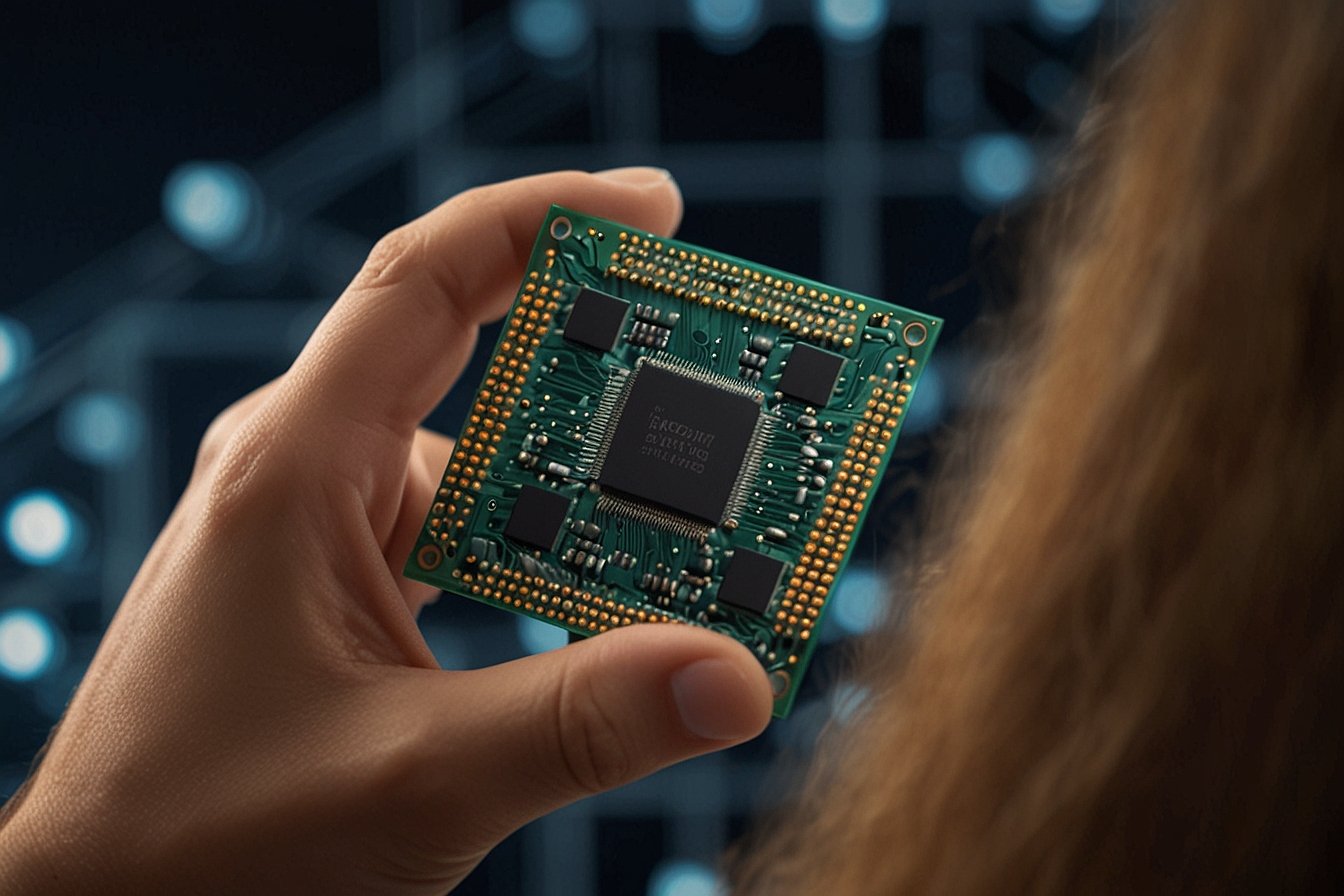
None of this would happen without the chips underneath. The semiconductor industry is on track for record sales in 2026, driven largely by AI-specific processors. New designs from Qualcomm, such as the Snapdragon X2 series, pack massive neural processing units (NPUs) that handle inference right on the device. We are talking 80 trillion operations per second in some laptops. That is nearly double what we saw just a year ago.
Chiplet architectures and advanced packaging have become the real differentiators. Instead of cramming everything onto one massive die, manufacturers stack specialized pieces together for better efficiency and lower power draw. Edge AI chips are maturing fast, which explains why your wearables and home gadgets feel so responsive without draining the battery.
You might wonder why this matters to the average person. Simple: it makes high-end features affordable and accessible. What once required a data center now runs quietly in your pocket. Some analysts predict that by the end of the year, AI-optimized chips will account for nearly half the market revenue. That is a seismic shift.
Comparison Table: Traditional Electronics vs. Next-Generation Electronics (2026 Perspective)
| Feature | Traditional Electronics (Pre-2024) | Next-Generation Electronics (2026) | Real-World Impact |
|---|---|---|---|
| Processing | Cloud-heavy | On-device AI with high-TOPS NPUs | Faster responses, better privacy |
| Power Efficiency | Higher consumption | Chiplets and analog inference for longer battery life | Days of use instead of hours |
| Form Factor | Rigid, bulky | Flexible, foldable, lightweight | Pocket-friendly yet expansive when needed |
| Intelligence | Reactive | Predictive and proactive | Anticipates needs before you ask |
| Connectivity | 5G basic | 5G-Advanced with 6G-ready hardware | Seamless AR and real-time collaboration |
| Sustainability | Standard materials | Recycled components and energy-aware design | Lower e-waste and carbon footprint |
This table shows why the upgrade feels worthwhile. The differences are not just incremental. They change how you live with your devices.
Flexible Electronics: Bend, Fold, and Roll Your Way to Convenience
Foldable phones have finally shed their early awkwardness. Samsung’s Galaxy Z TriFold and similar models from Motorola and others now feature near-crease-free displays thanks to ultra-thin glass and improved hinges. Some prototypes even roll out like a tiny projector screen for larger viewing on demand.
Rollables are showing up in laptops and tablets too. You can carry a compact device that expands into a full workspace when you need it. Flexible hybrid electronics (FHE) are expanding beyond consumer gadgets into medical patches and wearable sensors that conform perfectly to your body.
The practical upside is huge. No more juggling multiple screens or bulky tablets. One device adapts to your context. Durability has improved dramatically as well. Many new models carry IP48 ratings and titanium reinforcements. Still, some users hesitate over long-term hinge wear. Fair point, yet real-world testing this year suggests they are ready for daily life.
Smart Homes and Physical AI: The Ambient Intelligence Shift
Your home is getting smarter in quieter ways. Voice and gesture controls have matured, but the real story is multi-agent AI systems that coordinate without constant input. Lights adjust based on your mood, the fridge suggests recipes from what is actually inside, and small domestic robots handle routine chores.
Physical AI, or embodied intelligence, is moving from labs to living rooms. These systems combine sensors, robotics, and edge computing to learn your routines organically. It is not about robots taking over. It is about them quietly making life easier.
Sustainability in Next-Generation Electronics: Greener Tech for Tomorrow
Sustainability is no longer an afterthought. Manufacturers are using recycled materials, designing for easier repairs, and optimizing power use at the silicon level. Energy-aware chips and modular designs mean devices last longer and create less waste.
You will see more transparent reporting on carbon footprints and take-back programs. Some experts disagree, but here is my take: consumers are voting with their wallets. Brands that ignore green practices risk falling behind.
FAQ
What exactly are next-generation electronics?
Next-generation electronics refer to devices that integrate advanced AI, flexible materials, efficient semiconductors, and improved connectivity to deliver intuitive, energy-smart experiences. Think wearables that predict needs or foldables that adapt shape on demand.
When will true 6G networks launch for consumers?
Early standardization work ramps up in 2026, but commercial 6G systems are expected around 2029 to 2030. For now, 5G-Advanced delivers most of the speed and reliability benefits while hardware prepares for the next jump.
Are AI wearables worth the investment in 2026?
Absolutely, if you value proactive health insights and hands-free productivity. Models with on-device processing keep data private and battery life long. Start with a ring or glasses if you want the biggest daily impact.
How do foldable phones compare to traditional ones for everyday use?
Foldables now match flagship performance while offering larger screens in a compact form. They are pricier and still carry slight durability trade-offs, but improved hinges and creaseless displays make them practical for multitasking on the go.
Will next-generation electronics make older devices obsolete?
Not immediately. Most new features build on existing ecosystems. However, older gadgets will feel slower and less intuitive once you experience predictive AI and seamless connectivity.
How sustainable are these new devices really?
Brands are improving, with more recycled plastics, modular repairs, and energy-efficient chips. Look for clear environmental reporting when shopping to support genuine progress.
What should I watch for at upcoming tech events?
Keep an eye on AI glasses, trifold phones, and new NPU-powered laptops. CES and MWC 2026 previews already hint at even more ambient intelligence features rolling out later this year.
Wrapping Up: Why 2026 Feels Different
Next-generation electronics are not about chasing the next big number. They are about technology that finally gets out of the way and works with you. We have efficient chips powering predictive AI, flexible designs that match real life, and connectivity that is catching up to our ambitions. Sure, challenges remain, especially around cost and accessibility. Yet the trajectory feels promising.
In my view, the real winner is anyone who embraces these tools thoughtfully. They free up mental space for the things that matter most. So, what do you think? Are you ready to upgrade one device this year, or will you wait and see how the 6G story unfolds? Drop your thoughts below. The conversation around next-generation electronics is just getting started, and it is going to be fascinating to watch.
You may also like: AR Integration & Spatial Computing: 5 Ways to Scale in 2026