









Introduction
For many homeowners, the area beneath the home is out of sight and often out of mind. Yet problems lurking in the crawl space can have far-reaching impacts on indoor air quality and structural stability. Moisture accumulation, in particular, is one of the most common issues affecting crawl spaces. Over time, unchecked moisture can lead to mold, mildew, and wood rot, and even increase energy costs. One of the most effective solutions is crawlspace encapsulation, a process that creates a barrier against unwanted moisture.
Encapsulating a crawl space enhances the reliability and resilience of your home’s foundation. It is especially beneficial in regions with high humidity or where frequent rainfall makes moisture intrusion a persistent threat. By addressing this often-overlooked area, homeowners can prevent costly repairs and health concerns associated with chronic dampness.
Besides safeguarding structural components, encapsulation contributes to improved comfort and healthy living conditions. Many experts advise addressing crawl space issues early to avoid more complex remediation projects later.
What Is Crawl Space Encapsulation?
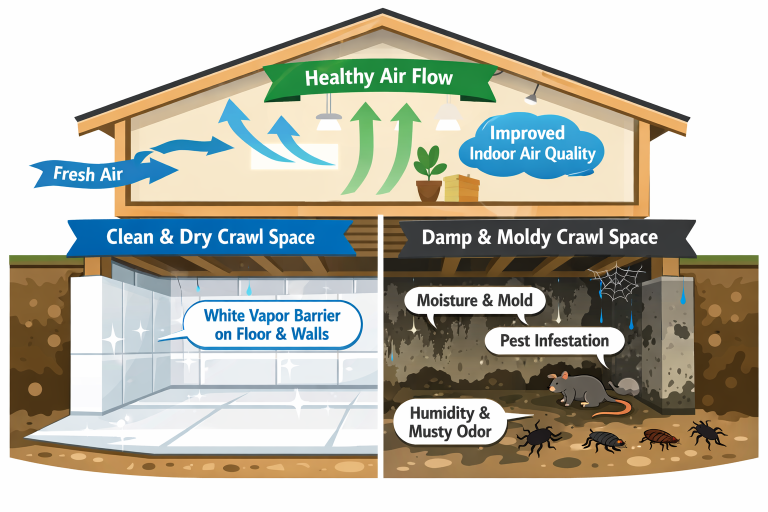
Crawl space encapsulation is a method by which contractors seal the area beneath a house, covering the floor and often the lower wall surfaces with a thick, durable vapor barrier. This barrier is typically made from reinforced polyethylene sheeting. The primary purpose is to prevent moisture in the soil or outside air from migrating into the crawl space. In addition to vapor barriers, encapsulation may include installing rigid foam insulation, sealing vents, and adding a dehumidification system to regulate humidity year-round. This approach differs from mere vented crawl spaces, which were once standard but are now recognized as problematic. Encapsulated spaces provide a controlled environment, limiting the conditions that support mold growth and the growth of wood-decay fungi. When combined with professional mold remediation, encapsulation ensures that any existing mold is safely removed and prevents future outbreaks, protecting both the home’s structure and the health of its occupants.
Benefits of Crawl Space Encapsulation
- Moisture Control: By sealing out ground and air moisture, encapsulation reduces the risks associated with elevated humidity, such as mold, mildew, and wood rot.
- Improved Air Quality: Since a significant portion of the air inside your home can draw up from the crawl space, eliminating mold and moisture improves overall indoor air quality.
- Energy Efficiency: Sealing your crawl space reduces strain on heating and cooling systems. These systems do not need to compensate for unconditioned airflow or damp air, which can help to lower utility bills.
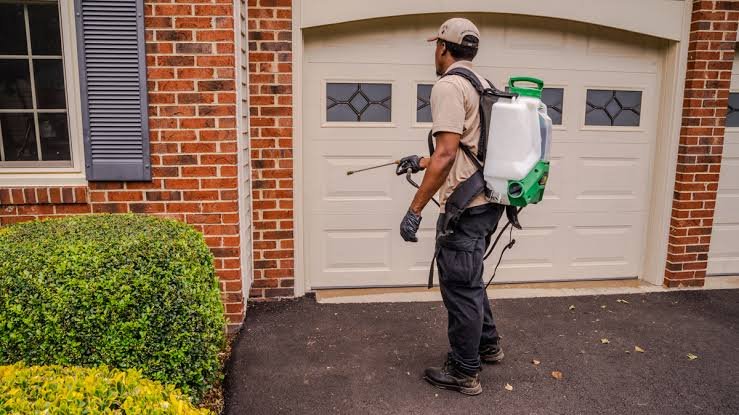
- Pest Prevention: Unsealed, damp crawl spaces attract pests such as termites, rodents, and insects. Encapsulation significantly reduces these risks by removing the damp and accessible environment that pests prefer.
Signs Your Home Needs Encapsulation
- Persistent musty odors that seem to originate from beneath the floor or from vents.
- Visible areas of mold or mildew inside the crawl space, usually on wood or insulation.
- A noticeable increase in indoor humidity, especially during rainy or humid seasons.
- Signs of wood rot, water damage, or even structural sagging in the crawlspace area.
Any of these symptoms should prompt a thorough crawl space inspection. Early detection and intervention can prevent more costly repairs and contribute to a healthier living environment.
The Encapsulation Process
- Inspection: The process starts with a detailed evaluation to identify the presence of water, mold, pests, and any structural issues.
- Cleaning: Debris, contaminated materials, and standing water are removed. Any mold or mildew is remediated before encapsulation products are added.
- Sealing: Contractors install a vapor barrier, attaching it to the floor and walls. All seams are sealed for maximum effectiveness.
- Insulation: Depending on the climate and the home’s needs, additional insulation may be added to further stabilize temperature and humidity.
- Dehumidification: A dehumidifier is installed to maintain consistent humidity levels and prevent recurrence of moisture accumulation.
Throughout this multi-step process, the goal is to create a stable, healthy foundation for your home by eliminating conditions that cause recurring moisture issues.
Long-Term Advantages
Encapsulated crawl spaces do more than solve immediate moisture problems. Over time, this preventive measure can yield significant cost savings by eliminating recurring repairs, excessive energy use, and remediation projects. Many homebuyers also see encapsulation as a valuable feature, helping to protect and increase property value. Most importantly, a dry, clean crawl space provides peace of mind, reducing health risks for everyone in the home.
Final Thoughts
Crawl space encapsulation may not be at the forefront of most home improvement priorities, but it provides powerful protection against many silent threats. By understanding the risks of unchecked moisture and recognizing the benefits of early intervention, homeowners can significantly improve the health, energy efficiency, and long-term condition of their properties.