





Table of Contents
- The Shift Towards Energy-Efficient Industrial Lighting
- Key Benefits of LED Lighting in Industrial Settings
- Innovations in LED Manufacturing
- Environmental Impact and Sustainability
- Economic Implications and Market Growth
- Challenges and Considerations
- Future Outlook
- Conclusion
The Shift Towards Energy-Efficient Industrial Lighting
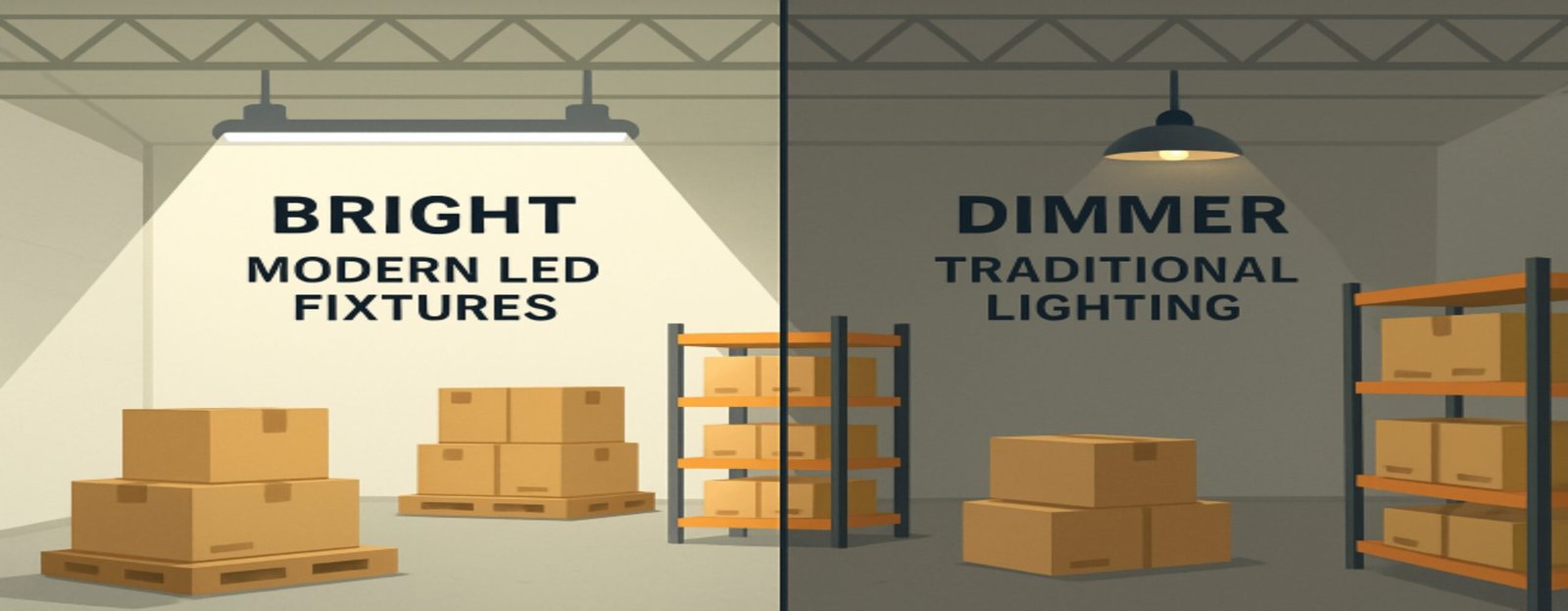
Across the industrial sector, companies are rethinking how they illuminate their facilities to address rising energy costs and sustainability mandates. The transition from traditional lighting, such as fluorescent or metal halide lamps, to advanced LEDs is rapidly gaining momentum, driven by a need for robust, cost-effective lighting solutions that can withstand harsh environments. Industrial LED Lighting Manufacture plays a key role in producing high-quality LED systems specifically designed for industrial settings, offering durability, efficiency, and performance that meet the demanding needs of factories and warehouses.
Industrial environments require lighting systems that deliver high performance and reliability without frequent maintenance interruptions. LEDs are increasingly recognized for delivering superior light output, exceptional durability, and significantly lower power consumption than outdated lighting technologies. These advantages are accelerating adoption rates and encouraging facilities to embrace modern, energy-smart solutions.
Key Benefits of LED Lighting in Industrial Settings
- Reduced Energy Consumption: LEDs convert over 80% of electrical energy into light, a stark contrast to the 30-40% efficiency of legacy lighting, resulting in lower utility bills and operational costs.
- Extended Lifespan: While traditional bulbs may last up to 15,000 hours, industrial LEDs routinely exceed 50,000 hours of operation. This longer lifespan dramatically reduces replacement frequency, cutting both parts and labor costs.
- Enhanced Safety: Because LEDs emit minimal heat, the risk of fire and heat-related incidents is reduced, creating safer workplaces, especially where flammable or heat-sensitive materials are present.
Another noteworthy advantage is improved light quality. LEDs aim to provide consistent, flicker-free illumination that, according to the Department of Energy, diminishes eye strain and supports worker productivity. This boost in visual clarity not only enhances precision and safety on the shop floor but also helps businesses comply with increasingly stringent industrial lighting standards. As these benefits continue to drive industry change, industrial facilities are also finding that LED upgrades dovetail with corporate sustainability targets, often qualifying for incentives and rebates from government and utility programs.
READ ALSO: Transform Your Bathroom: Lighting Tips for a Brighter Start to the Day
Innovations in LED Manufacturing
Recent breakthroughs in Industrial LED Lighting Manufacturing have ushered in an era of “smart lighting,” where intelligent fixtures can sense occupancy and daylight levels, automatically adjusting output for optimal efficiency. Incorporating features such as motion sensors, wireless controls, and programmable lighting schedules, these systems are reshaping facility management practices.
Modern manufacturers are leveraging advanced materials and automated production methods, ensuring high consistency and improved thermal management in their products. Integrating LEDs with the Industrial Internet of Things (IIoT) enables facility managers to monitor energy usage in real time, analyze performance, and quickly address outages, further underscoring their role as a future-ready solution.
Environmental Impact and Sustainability
The manufacturing and widespread adoption of LED lighting drastically cut carbon emissions by slashing overall energy demand in power-hungry industrial sites. LEDs contain no mercury and generate less waste due to their long life span, supporting environmental stewardship and compliance with climate-driven regulations. The transition to LEDs is projected to avert millions of tons of carbon dioxide emissions annually, making it one of the most impactful energy efficiency upgrades available to industry.
Economic Implications and Market Growth
As energy prices fluctuate and regulatory requirements tighten, the market for industrial LED lighting is booming. Between 2024 and 2028, the global industrial lighting market is anticipated to grow by more than USD 3.25 billion, spurred on by companies seeking cost-effective, scalable, and AI-driven solutions. This surge in demand is also spurring job growth and innovation in the LED manufacturing sector itself. With new policies encouraging green upgrades and the clear long-term economic incentives, more companies are dedicating significant capital to retrofit projects that deliver rapid ROI and continued operational savings.
Challenges and Considerations
Despite these clear advantages, facilities must weigh the initial investment required to upgrade legacy systems to LED fixtures. Upfront costs can be substantial, particularly when factoring in installation and the integration of advanced controls. However, many manufacturers report payback periods as short as two years, after which the cost savings accumulate annually. When considering a retrofit, it’s critical to assess compatibility with existing electrical infrastructure and to plan for any temporary operational disruptions during installation. Maintenance teams should also be trained on the new systems to ensure optimal performance and troubleshooting.
Future Outlook
Looking ahead, the trajectory of industrial LED lighting is firmly aimed at even greater integration with smart management systems, artificial intelligence, and data analytics. As technology advances, LEDs will become increasingly efficient, affordable, and flexible, continuing to redefine the energy landscape in industrial spaces. Companies prioritizing both operational efficiency and environmental responsibility will find that LED upgrades are not just an investment in lighting, but in a more sustainable industrial future.
Conclusion
Industrial LED lighting represents a transformative shift in how facilities approach energy efficiency, safety, and sustainability. With benefits ranging from reduced energy consumption and longer lifespans to improved workplace safety and environmental impact, LEDs are proving to be a cost-effective and future-ready solution. As technology continues to advance, integrating smart controls, AI, and data analytics, industrial LEDs will play an increasingly central role in creating efficient, adaptable, and eco-friendly industrial spaces. Investing in LED upgrades is not just a lighting decision; it is a strategic move toward a more sustainable and productive industrial future.
YOU MAY ALSO LIKE: Safety First: How Exterior Lighting Deters Intruders and Increases Visibility