





Importance of Pavement Markings
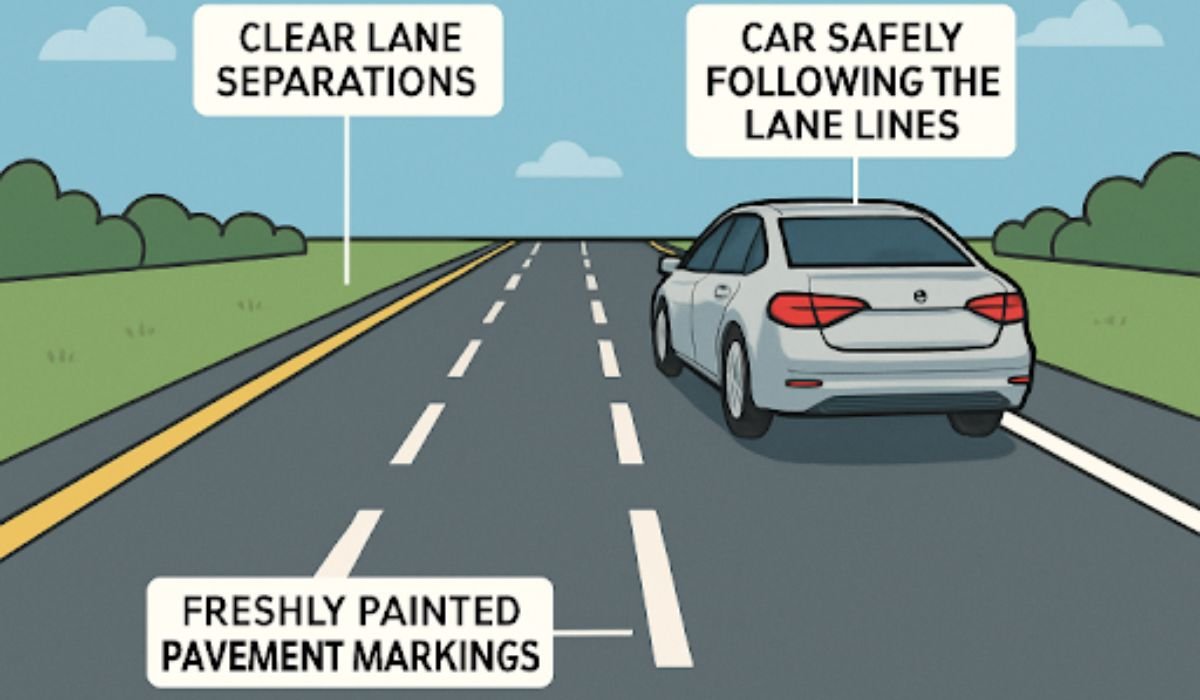
Pavement markings play a vital, yet often overlooked, role in keeping roads safe and organized. They provide non-verbal cues that regulate traffic flow, designate lanes, and clarify right-of-way at intersections. Without these visual signals, roadways would quickly become chaotic, leading to an increase in traffic collisions and confusion. For urban and regional communities, especially high-traffic areas such as asphalt paving San Diego, CA roads, accurate pavement striping ensures a safer experience for drivers, cyclists, and pedestrians alike.
The visual clarity provided by pavement markings is not solely for routine driving. During challenging conditions—such as heavy rain or fog—distinct lane lines help maintain order when visibility is reduced. High-quality striping also facilitates efficient use of road space, ensuring all vehicles travel within their respective boundaries and thereby maximizing roadway capacity.
Well-defined markings also assist with navigation and alert drivers to upcoming changes, such as lane merges or crosswalks. In areas with a dense roadway network, they prevent accidents by reminding motorists of rules and pending maneuvers. Properly marked roads directly contribute to smoother traffic flow and less congestion.
Besides improving commuter experience, pavement markings serve as a legal framework, supporting enforcement of speed limits and other restrictions. Uniform application and adherence to local and national guidelines help standardize roadways across regions, benefiting both residents and visitors.
Advancements in Pavement Marking Materials
Over time, pavement markings have evolved from basic painted lines to advanced systems that withstand weather and heavy use. Traditional paints, which faded quickly and required frequent reapplication, are being increasingly replaced by superior options such as thermoplastics, preformed tapes, and durable epoxies. Thermoplastic markings, in particular, offer impressive longevity—often lasting five to seven years even under demanding traffic loads—which makes them both cost-effective and less disruptive to public travel due to reduced maintenance requirements.
One critical improvement in materials is the use of glass beads and other retroreflective elements. These are embedded within the marking or applied to the surface, ensuring exceptional nighttime visibility by reflecting headlights directly back to drivers. Quality materials are now engineered to withstand UV rays, oil, road salt, and fluctuating temperatures, ensuring their performance remains consistent over extended periods.
Incorporating long-lasting materials also means longer intervals between restriping projects, which ultimately saves taxpayer money and reduces inconvenience for motorists. From highways to local streets, selecting the right marking product is crucial for striking a balance between durability, visibility, and environmental considerations.
Impact on Road Safety
The link between visible pavement markings and safer roadways is well established. According to the Federal Highway Administration, clear and reflective lane markings are proven to reduce both the frequency and severity of traffic accidents. For example, the simple addition of edge lines on rural two-lane highways has been shown to significantly lower off-road crashes and fatality rates. Urban intersections, which are hotspots for accidents, also benefit from precise crosswalks and turn lane markings that help drivers anticipate movements and respond appropriately.
Quantifying Improvements
Statistical analyses show marked reductions in collisions when roadway striping meets modern visibility standards. In fact, roads upgraded with highly reflective markings can experience a 36% reduction in nighttime crashes. By helping drivers maintain awareness of their position and lane, these markings are crucial in real-time decision-making and accident prevention.
Technological Innovations in Pavement Markings
Modern pavement marking systems go beyond simple paints and materials. Industry-leading innovations now include automated application machinery that ensures consistent coverage while protecting both roadway workers and drivers. Smart equipment can lay down markings precisely, reducing human error and minimizing lane closure times. Automated line painting vehicles utilize sensors and GPS to chart the exact placement precisely, thereby increasing efficiency and accuracy.
Advancements also extend to the integration of retroreflective microbeads, which are embedded during application for exceptional nighttime and wet-weather visibility. These improvements play a crucial role in accident prevention—especially during conditions of poor visibility that can severely impair drivers’ judgment.
Maintenance and Visibility Standards
Pavement markings are only as effective as their ongoing maintenance protocols. The Federal Highway Administration has set clear requirements for minimum retroreflectivity on public roads. Meeting these standards ensures that markings remain visible under all operational conditions, particularly at night and during the early morning hours when contrast is lowest. Routine inspections help local agencies detect fading and damage, triggering repainting or repair before road safety is compromised.
Adhering strictly to maintenance schedules and visibility thresholds ensures that roadway systems remain compliant and functional. It also reduces liability in case of accidents linked to poor visibility. Communities that proactively maintain their standards show improved traffic flow and lower overall accident rates.
Cost-Effectiveness of Modern Markings
Although advanced marking materials may involve higher upfront costs, the investment ultimately yields notable long-term savings. Extended product lifespan reduces the frequency—and cost—of restriping. Municipal budgets benefit from less frequent road closures, lower administrative overhead, and reduced labor and equipment expenses. The improved durability of modern striping also ensures greater public satisfaction by minimizing traffic interruptions.
Many local governments find that investing in thermoplastic or epoxy markings pays for itself within a few years through lower recurring maintenance and administrative savings. Ultimately, this prudent allocation of resources results in safer and better-managed roads.
READ ALSO: Quality Auto Glass: Enhancing Road Safety and Visibility
Challenges and Solutions
While pavement markings offer vast safety and operational benefits, challenges persist. In wet weather, for example, certain marking materials may become slippery, posing risks to vehicles and cyclists. To address this, ongoing research is focused on developing high-friction, skid-resistant coatings that also deliver top-tier visibility. Ensuring uniform application is another challenge—poorly applied or inconsistent markings can create confusion or even hazards.
Solutions include rigorous training for application crews, stricter quality control, and the adoption of innovative, more effective materials. By leveraging evolving technologies and materials science, the industry continues to enhance both the durability and clarity of roadway markings.
Final Thoughts
Proper pavement markings are foundational to road safety and operational efficiency. As technology advances, these markings become more durable and visible, supporting accident prevention and smoother traffic flows. By investing in high-quality materials, adhering to regular maintenance schedules, and prioritizing ongoing innovation, road agencies can build networks that are safe and reliable for everyone on the move. The future of road safety depends on the continuous enhancement of these essential visual guides.
YOU MAY ALSO LIKE: Reduced Vertical Separation Minimum (RVSM): Enhancing Airspace Efficiency and Safety