




Keeping your home’s heating, ventilation, and air conditioning system in peak condition requires regular attention throughout the year. Investing in routine seasonal maintenance helps preserve comfort, reliability, and system efficiency for families in every climate. Taking a proactive approach can result in savings on energy bills and a healthier indoor environment, directly impacting your daily quality of life and long-term infrastructure investments. In regions with fluctuating temperatures and humid summers, scheduling services such as commercial AC repair Massachusetts businesses rely on can also play a critical role in maintaining consistent performance and avoiding unexpected downtime.
A well-maintained HVAC system enhances comfort, safeguards air quality, and prevents costly equipment failures. Regular seasonal maintenance, including inspections and tuning, reduces wear and prolongs system life, potentially extending its longevity to up to 15 years. Conversely, neglect can lead to premature breakdowns and expensive replacements. Proactive care ensures efficient operations, protects long-term investments, and minimizes disruptions during peak usage.
Improving Energy Efficiency
Another substantial benefit of regular seasonal maintenance is the dramatic improvement in energy efficiency. During service, technicians will clean coils, replace or clean filters, check and adjust refrigerant levels, and inspect ductwork for leaks. Clean components and proper refrigerant levels allow the system to deliver the required heating or cooling output without overworking itself. As a result, the system consumes less power to achieve the same level of comfort.
Energy savings from an efficient HVAC system can be significant. Well-maintained HVAC units often use 15 percent less energy than those that are ignored. Routine maintenance not only helps the system function optimally but also reduces strain on components, which might otherwise require more power to operate under dirty or compromised conditions. This translates into tangible savings on utility bills each month.
Enhancing Indoor Air Quality
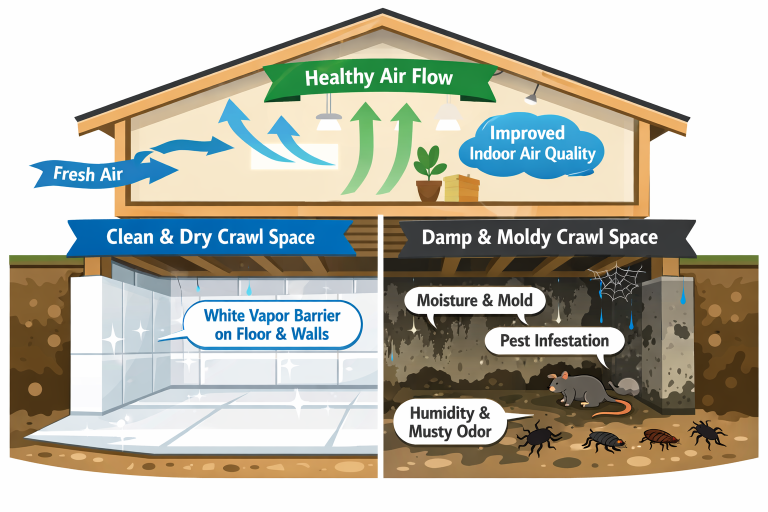
Indoor air quality is a critical yet sometimes overlooked aspect of HVAC management. Filters that are not replaced or cleaned as recommended can clog with dust, pollen, pet dander, and other particles. These pollutants can then cycle through your home’s ductwork and recirculate into your living spaces. Seasonal maintenance, including replacing filters and cleaning ductwork, creates a healthier breathing environment, especially for those with allergies or respiratory sensitivities.
This is particularly vital during seasons when outdoor allergens peak or when windows and doors remain shut for extended periods. Proper maintenance prevents the buildup of debris and bio-contaminants, reducing the presence of irritants and helping all household members enjoy a cleaner, safer home environment.
READ ALSO: Electrical Safety and Energy Efficiency: Your Guide to a Modern Home
Preventing Costly Repairs
Early identification of minor issues is one of the most meaningful ways to save money and avoid the disruption of a system breakdown. By inspecting the system before each season starts, technicians can spot problems such as a worn belt, a clogged drain, or a malfunctioning thermostat. These small issues, if caught early, can be easily addressed and resolved at minimal cost. Left unchecked, however, they can escalate into serious malfunctions that necessitate emergency repairs and cause uncomfortable downtime.
Homeowners who regularly invest in seasonal tune-ups experience less frequent, costly repairs. More importantly, they are less likely to face major equipment failures during the hottest or coldest times of year, when HVAC systems are most needed.
Seasonal Maintenance Tips
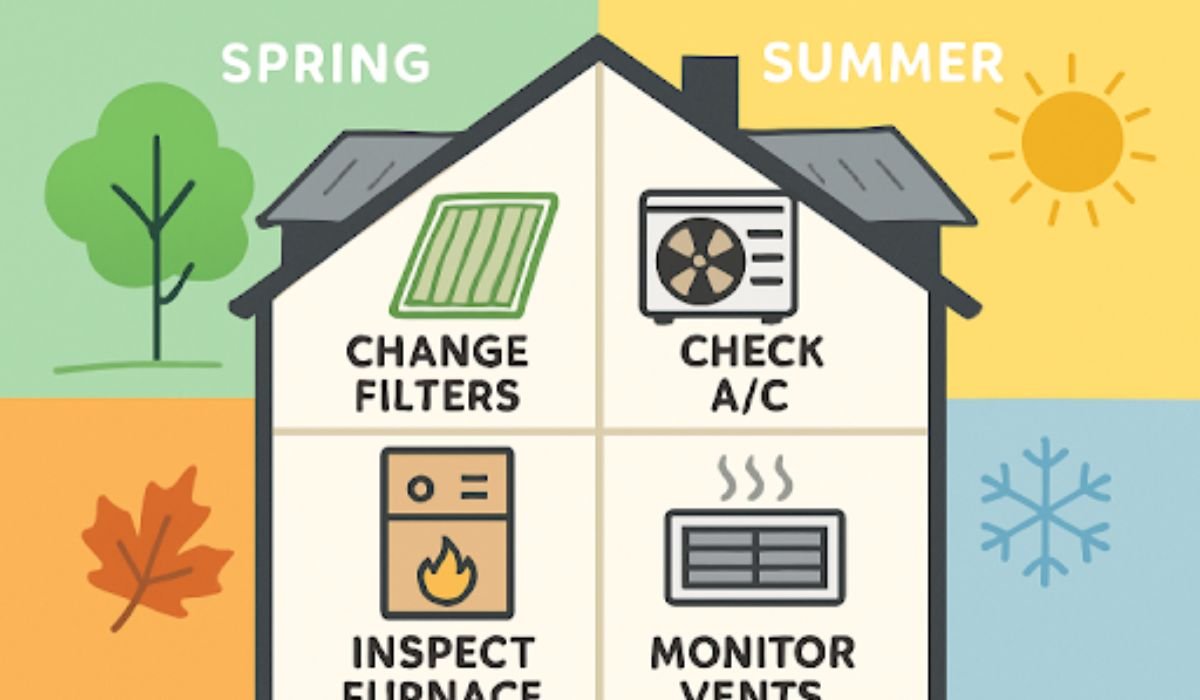
Homeowners can take several preventive steps throughout the year to keep their systems running efficiently. Following these seasonal checklists will help you stay ahead of potential problems:
- Spring: Clean or replace air filters, inspect ductwork for leaks, and clear debris from around the outdoor unit.
- Summer: Check refrigerant levels, clean condenser coils, and test your thermostat’s accuracy.
- Fall: Inspect and clean the furnace burner, check for carbon monoxide leaks, and ensure sufficient ventilation.
- Winter: Replace filters regularly, monitor system performance, and keep interior supply and return vents unobstructed.
While many of these tasks can be performed by homeowners, others require a professional’s expertise for proper execution and safety.
Professional Maintenance Services
Certified professionals bring specialized tools and training to seasonal HVAC tune-ups. With industry expertise, they perform detailed system inspections, calibrate equipment for optimal performance, and address issues that may not be visible to the untrained eye. Professional maintenance typically involves checking electrical connections, lubricating moving parts, and verifying the safe operation of critical systems.
Scheduling professional service at least once per year ensures that your HVAC continues to operate safely and efficiently, providing ongoing peace of mind and protecting your investment. Professional oversight is particularly important for commercial properties, where system failures can disrupt business operations and compromise comfort for employees and guests.
Conclusion
Committing to seasonal HVAC maintenance remains one of the smartest ways to foster a comfortable, efficient, and healthy home environment. Regular tasks and inspections reduce unexpected repair costs, save energy, and protect air quality, all while extending the life of your system. Whether you attend to these steps yourself or hire professionals, following a structured maintenance routine yields dependable comfort for years to come.
You may also like: How to Optimize Your Water Heater’s Efficiency for a Sustainable Home