





Key Takeaways
- Integration of advanced materials and automation is streamlining shipbuilding processes.
- Adoption of alternative fuels and propulsion systems is reducing the environmental impact of maritime operations.
- Digital technologies are optimizing design and operational efficiency in ship construction.
The maritime industry is witnessing a profound transformation as advances in shipbuilding reshape the way vessels are designed, built, and operated. With the sector’s growing emphasis on both efficiency and environmental stewardship, these changes are significantly impacting daily operations and long-term strategies. From the use of advanced materials to the integration of digital technologies, these developments are paving the way for a sustainable future in maritime transportation. For firms seeking top-tier ship building services, understanding these groundbreaking trends is crucial for maintaining a competitive edge in a rapidly evolving market.
Today’s shipyards are not only optimizing construction for performance and cost-effectiveness, but they are also prioritizing reduced environmental impact. This dual focus ensures that the next generation of ships is equipped to meet both regulatory requirements and the growing expectations for green practices in global trade. As modern vessels become smarter and more efficient, the industry’s journey toward a cleaner maritime ecosystem accelerates.
Advanced Materials Enhancing Ship Performance
Innovations in material science have revolutionized shipbuilding with carbon fiber composites and steel alloys making ships lighter and stronger, increasing cargo capacity and fuel efficiency. These materials also resist corrosion, extending vessel lifespan, reducing maintenance, boosting profitability, and lowering greenhouse gas emissions.
Automation and Robotics Streamlining Construction
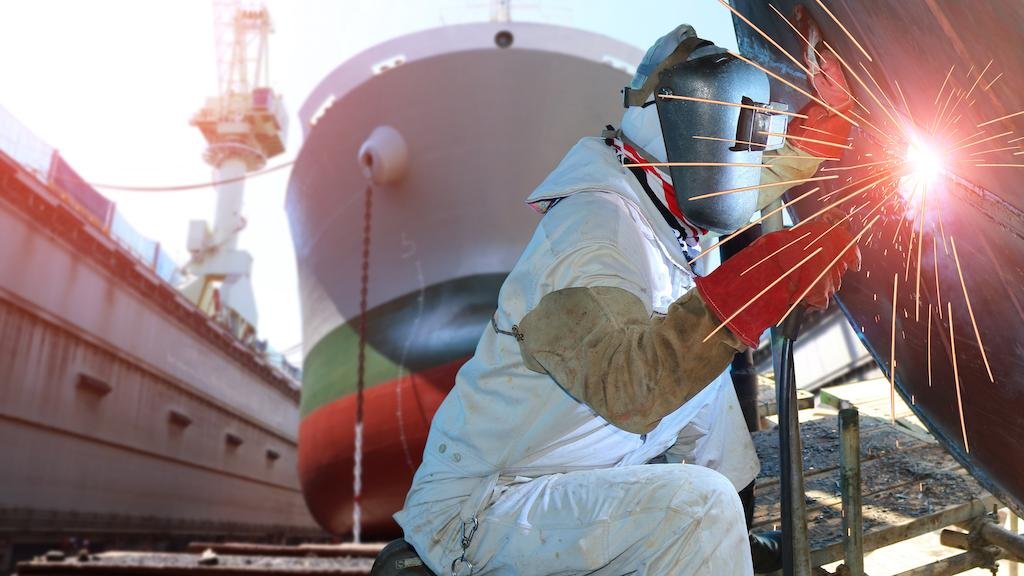
Automation is swiftly becoming the backbone of shipyard operations. Technologies such as robotic welding, automated cutting systems, and AI-driven material handling are no longer just buzzwords; they are standard practice in leading shipyards worldwide. These innovations deliver much-needed precision, reduce the likelihood of human error, and promote worker safety by minimizing hazardous manual tasks. The adoption of such technology is also a timely response to persistent labor shortages affecting the global shipbuilding market.
A key benefit of automation is enhanced production speed and consistency. The application of robotic arms and computer-controlled cutters ensures that every vessel component meets exacting standards, ultimately improving the reliability and quality of finished ships. Greater automation results in faster turnaround times for new builds and refits, equipping fleets to adapt more quickly to market changes.
Alternative Fuels and Propulsion Systems
The urgent need to cut maritime emissions has spurred the exploration and adoption of alternative fuels. One standout example is the conversion of the historic NH3 Kraken tugboat to operate solely on green ammonia, a carbon-free energy source. This retrofit is a promising blueprint for reducing carbon footprints industry-wide and signals a new direction for retrofit and newly built vessels alike. Such initiatives are essential to driving the maritime sector toward its emissions-reduction targets.
Not limited to ammonia, current research and development efforts are evaluating biofuels, hydrogen, and batteries as potential power sources for various vessel types. The successful integration of these innovations could radically reshape the coastal and oceanic shipping landscapes within a decade.
Wind-Assisted Propulsion Technologies
Wind propulsion, once relegated to maritime history, is now reemerging as a contemporary solution for sustainable shipping. The SolidSail system, for example, leverages rigid composite sails and tilting gaff rigging to provide either hybrid or main propulsion to large vessels. Designed by Chantiers de l’Atlantique, this technology enables substantial fuel savings and emission reductions for modern ships.
These advances in wind technology allow fleets to secure operational resilience by diversifying energy sources. Innovations such as retractable sails and automated control systems are bringing flexibility and ease of use to wind-assisted propulsion, promoting broader adoption among commercial operators.
Digitalization and AI in Ship Design
The digitization of ship design and operational planning is another transformative force in shipbuilding. Artificial intelligence (AI) applications can process vast datasets to optimize hull shapes, fuel systems, and structural layouts for maximum efficiency. Sophisticated design software uses simulation and machine learning to forecast performance outcomes, enabling engineers to select optimal configurations before metal is ever cut.
AI algorithms are also powering real-time voyage optimization by analyzing weather, sea conditions, fuel consumption patterns, and marine traffic. As a result, ships can chart safer, faster, and more efficient routes while minimizing environmental impact.
Autonomous Vessels and Real-Time Data Collection
Autonomous technology represents the next frontier in shipbuilding innovation. Vessels equipped with autonomous navigation and data collection systems can operate with little or no human intervention, unlocking significant efficiency and safety benefits. For instance, the autonomous watercraft known as “Archie” now surveys channel depths in real time, giving shipping companies the information they need to maximize cargo loads and minimize unnecessary trips. This real-time data collection is not only making voyages more efficient but also helping lower overall industry emissions, as Axios highlights.
Cold Ironing: Reducing Emissions at Port
The concept of cold ironing, also known as shore power, is revolutionizing how ships interact with port infrastructure. By connecting to on-shore electrical grids while docked, vessels can power onboard systems without relying on diesel generators. This reduces port-area emissions, mitigates noise pollution, and creates a healthier environment for port workers and nearby residents.
Conclusion
Modern shipbuilding is at the forefront of the global push for sustainable and efficient maritime transport. The integration of advanced materials, automation, cutting-edge propulsion systems, and digital solutions is transforming the industry into a cleaner, smarter, and more resilient one. As shipping companies and shipyards continue to embrace these innovations, they not only future-proof their fleets but also contribute to environmental well-being and the broader economy. These advancements signal a new era of possibilities and set a high benchmark for excellence in the maritime sector.
READ ALSO: Trends in Luxury Boating Experiences