






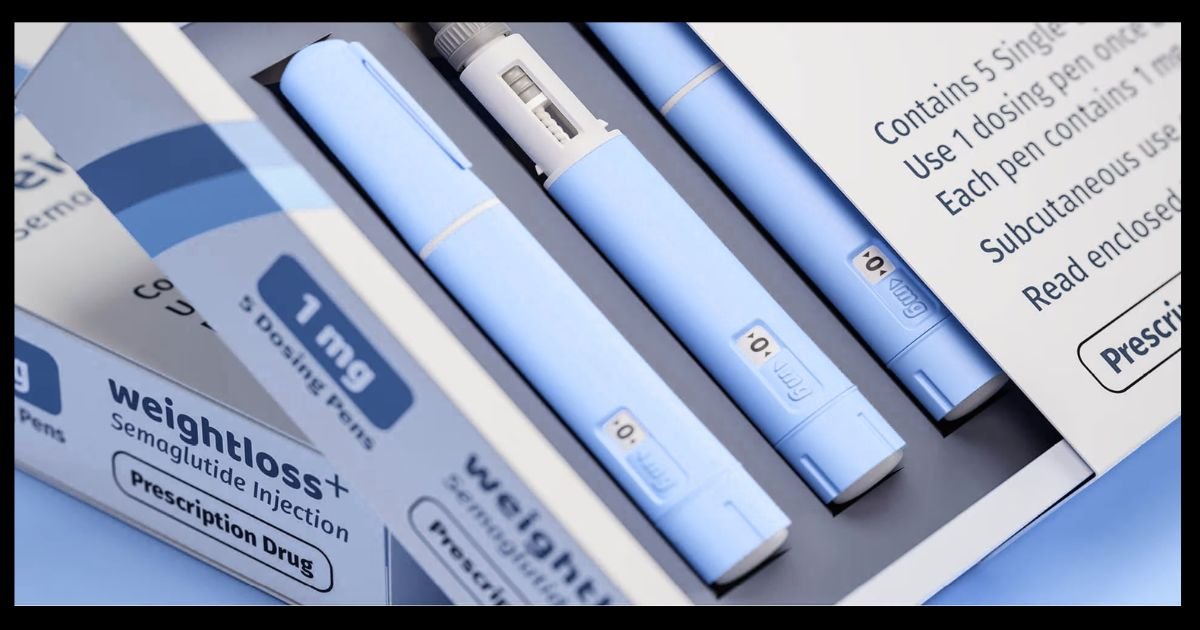
You know that moment when you finish a meal and still feel like raiding the fridge ten minutes later? For millions of people, that constant tug-of-war with hunger has quietly faded into the background thanks to a class of drugs that has quietly reshaped how we think about managing weight and blood sugar. GLP-1 medication sits at the center of this shift, and if you have scrolled past headlines about Ozempic or Wegovy, you have probably wondered what all the fuss is about. Well, let us pull back the curtain in this 2026 guide.
These treatments started life as tools for type 2 diabetes, yet their appetite-curbing side effects turned them into something far bigger. Today they help people drop significant weight, steady their glucose levels, and even improve heart health in ways earlier medications never quite managed. But they are not magic pills (or shots). Understanding exactly what GLP-1 medication is, how it ticks inside your body, and what the newest 2026 developments mean for real people makes all the difference before you consider starting one.
Table of Contents
- What Exactly Is GLP-1 Medication?
- How GLP-1 Medication Works in the Body
- GLP-1 Medications for Type 2 Diabetes Management
- The Weight Loss Revolution: Why These Drugs Deliver Results
- FDA-Approved GLP-1 Brands in 2026: What Is New This Year
- Pros and Cons: A Balanced Look at GLP-1 Medication
- Potential Side Effects and How to Handle Them
- Who Should Consider GLP-1 Medication?
- Integrating GLP-1 Treatment with Lifestyle Changes
- Looking Ahead: Emerging Research and the 2026 Outlook
- Frequently Asked Questions
What Exactly Is GLP-1 Medication?
GLP-1 stands for glucagon-like peptide-1, a hormone your gut naturally releases after you eat. Think of it as your body’s built-in traffic cop for digestion and hunger signals. GLP-1 medication copies that hormone (or amps up its effects) to help keep blood sugar steady and tell your brain you have had enough food.
These drugs fall under the broader label of GLP-1 receptor agonists. Some, like semaglutide, stick close to the original hormone. Others, such as tirzepatide, team up with a second gut hormone called GIP for an extra boost. Either way, the goal stays the same: work with your body instead of fighting it.
You might not know this, but the first GLP-1 drugs arrived nearly two decades ago. They were modest at first, mainly for diabetes. Fast-forward to 2026 and the conversation has exploded. Doctors now prescribe them for obesity as a chronic condition, not just a willpower problem. That shift feels important because it moves the focus from blame to biology.
How GLP-1 Medication Works in the Body
Picture your digestive system as a busy kitchen after dinner. Normally food rushes through, blood sugar spikes, and your brain keeps shouting for seconds. GLP-1 medication slows things down in a few smart ways.
First, it prompts your pancreas to release insulin, but only when glucose is actually high. That glucose-dependent action keeps hypoglycemia risks low compared with older diabetes drugs. Second, it dials down glucagon, the hormone that tells your liver to dump extra sugar into the bloodstream. Third, it slows gastric emptying so meals linger longer and you stay full. Finally, it quiets “food noise” in the brain’s appetite centers. Suddenly cravings lose their volume.
Honestly, this multi-pronged approach is why results feel different from plain diet pills. You are not just suppressing hunger; you are nudging several systems back into balance.
GLP-1 Medications for Type 2 Diabetes Management
For people living with type 2 diabetes, these drugs shine at lowering A1C levels, often by a full percentage point or more. That improvement matters because better control today can mean fewer complications tomorrow: less nerve damage, fewer eye issues, and calmer blood pressure numbers.
Some formulations carry extra cardiovascular perks. Studies show they can cut the risk of major heart events in folks who already have heart disease or high risk factors. In 2026 that data keeps growing, and many cardiologists now view GLP-1 options as part of a broader heart-protection strategy.
The Weight Loss Revolution: Why These Drugs Deliver Results
Weight loss tends to steal the spotlight, and for good reason. Clinical trials report average losses between 13 and 22 percent of starting body weight, depending on the specific drug and dose. That range beats what most people achieve through lifestyle changes alone.
The mechanism feels almost too straightforward once you see it: you eat less because you feel satisfied sooner. Many patients describe it as turning down the volume on constant thoughts about food. One small tangent here, you might hear friends say they “forgot to eat lunch.” That is not exaggeration; it is the brain signal at work.
FDA-Approved GLP-1 Brands in 2026: What Is New This Year
The lineup keeps evolving, and 2026 brought welcome convenience. Here is a quick snapshot of the main players available right now.
| Medication | Active Ingredient | Form | Primary Approval | Typical Average Weight Loss* |
|---|---|---|---|---|
| Ozempic | Semaglutide | Weekly injection (or new oral tablets) | Type 2 diabetes | 10–15% |
| Wegovy | Semaglutide | Weekly injection or daily oral pill (approved late 2025) | Chronic weight management | 15–21% (higher-dose injectable) |
| Mounjaro | Tirzepatide | Weekly injection | Type 2 diabetes | 15–20% |
| Zepbound | Tirzepatide | Weekly injection | Chronic weight management | 18–22% |
| Rybelsus / rebranded oral Ozempic | Semaglutide | Daily tablet | Type 2 diabetes | 8–13% |
*Results vary by individual, dose, diet, and exercise. Numbers come from 2025–2026 trial summaries and real-world data.
Notice the big 2026 update? Oral versions of semaglutide for weight loss hit the market after FDA approval in December 2025. No more weekly shots for everyone who prefers a pill. Higher-dose injectables also rolled out, pushing weight-loss numbers even further for those who need them. Eli Lilly and Novo Nordisk keep refining formulas, and the FDA continues to watch compounded versions closely, cracking down on unapproved copycats to protect safety.
Pros and Cons: A Balanced Look at GLP-1 Medication
Let us lay it out plainly because no treatment is perfect.
Pros
- Substantial, sustained weight loss for many users
- Improved blood sugar control with low hypoglycemia risk
- Cardiovascular benefits documented in large studies
- Reduced “food noise” that makes sticking to healthy habits easier
- New oral options in 2026 improve convenience
Cons
- Gastrointestinal side effects are common at the start
- High cost if insurance does not cover the indication
- Requires ongoing use; weight often returns if stopped
- Not suitable for everyone (certain medical histories rule it out)
- Rapid loss can lead to loose skin or muscle changes
Some experts disagree, but here is my take: the pros usually outweigh the cons when a doctor carefully matches the right patient to the right drug. Still, it is not a shortcut that replaces healthy eating and movement; it works best alongside them.
Potential Side Effects and How to Handle Them
Nausea tops the list, especially during the first few weeks as your body adjusts. Vomiting, diarrhea, or constipation can tag along. Most people find these settle once the dose stabilizes, and starting low helps.
A few folks notice “Ozempic face,” the sagging that comes with any quick weight loss. Staying hydrated, lifting weights, and adding protein can soften the look. Rarer risks include pancreatitis or gallbladder issues, so regular check-ins with your doctor stay essential. The black-box warning about thyroid tumors (seen in rodents) leads doctors to avoid these drugs in people with certain family histories.
Who Should Consider GLP-1 Medication?
Doctors typically recommend GLP-1 options for adults with type 2 diabetes who need better control or for those with a BMI of 30 or higher (or 27 plus a weight-related condition) when lifestyle changes alone have not been enough. If you carry extra weight and struggle with hunger signals that feel impossible to ignore, these drugs might finally give your efforts some breathing room.
That said, they are not for everyone. Pregnancy, history of pancreatitis, or certain endocrine conditions usually rule them out. A thorough conversation with your healthcare team is the only way to know.
Integrating GLP-1 Treatment with Lifestyle Changes
Here is where the real magic happens. Pairing the medication with smart nutrition and movement turns good results into great ones. Focus on protein-rich meals, fiber, and plenty of water to ease side effects and preserve muscle. Strength training becomes your friend because it counters any loss of lean mass.
Many patients tell me they finally enjoy exercise again once the constant cravings quiet down. That shift in energy feels like the hidden bonus no one advertises.
Looking Ahead: Emerging Research and the 2026 Outlook
Researchers keep uncovering surprises: possible benefits for liver health, addiction reduction, and even brain health in early studies. Newer triple-agonist drugs and longer-acting formulas sit in the pipeline, promising even bigger results with fewer weekly doses. Access programs and insurance coverage debates will likely keep evolving too.
Honestly, this is not talked about enough, but the real story of 2026 might be normalization. These medications are moving from celebrity trend to mainstream tool for chronic disease management. The key will be using them responsibly so they remain available for the people who need them most.
Frequently Asked Questions
Is GLP-1 medication the same as Ozempic?
Not exactly. Ozempic is one brand of semaglutide, a GLP-1 agonist. The term covers a whole family of drugs, including Wegovy, Mounjaro, and Zepbound.
Can I stop GLP-1 medication once I reach my goal weight?
Most people see weight return if they stop without strong lifestyle habits in place. Many stay on a maintenance dose to keep results steady.
Do GLP-1 drugs work without diet and exercise?
They work better when you combine them with healthier choices. The medication handles the hunger part, but food quality and movement still drive long-term success.
Are the new oral GLP-1 pills as effective as injections?
Clinical data shows they come very close, often within a few percentage points of weight loss. Convenience wins for plenty of users.
What if I experience bad side effects?
Talk to your doctor right away. Dose adjustments, slower titration, or switching brands can often solve the issue. Never stop suddenly without guidance.
Are compounded GLP-1 versions safe?
The FDA has stepped up warnings in 2026 about unapproved compounded products. Stick with brand-name or verified pharmacy options whenever possible.
Will insurance cover GLP-1 medication in 2026?
Coverage varies by plan and indication. Diabetes approval tends to go through more easily than weight-loss-only use. Check your policy and explore savings programs.
Final Thoughts
GLP-1 medication has changed the conversation around weight and diabetes in ways few saw coming even five years ago. It does not erase the need for mindful living, yet it can finally make that living feel possible instead of punishing. As we move through 2026, the focus should stay on smart, supervised use that puts real health first.
If you have been wrestling with stubborn weight or blood sugar numbers that refuse to budge, it might be worth asking your doctor whether GLP-1 medication could be part of your next chapter. What do you think, is it time to quiet the food noise and see what steady progress feels like?
You may also like: Master Change with a&ta: Awareness Before Action