





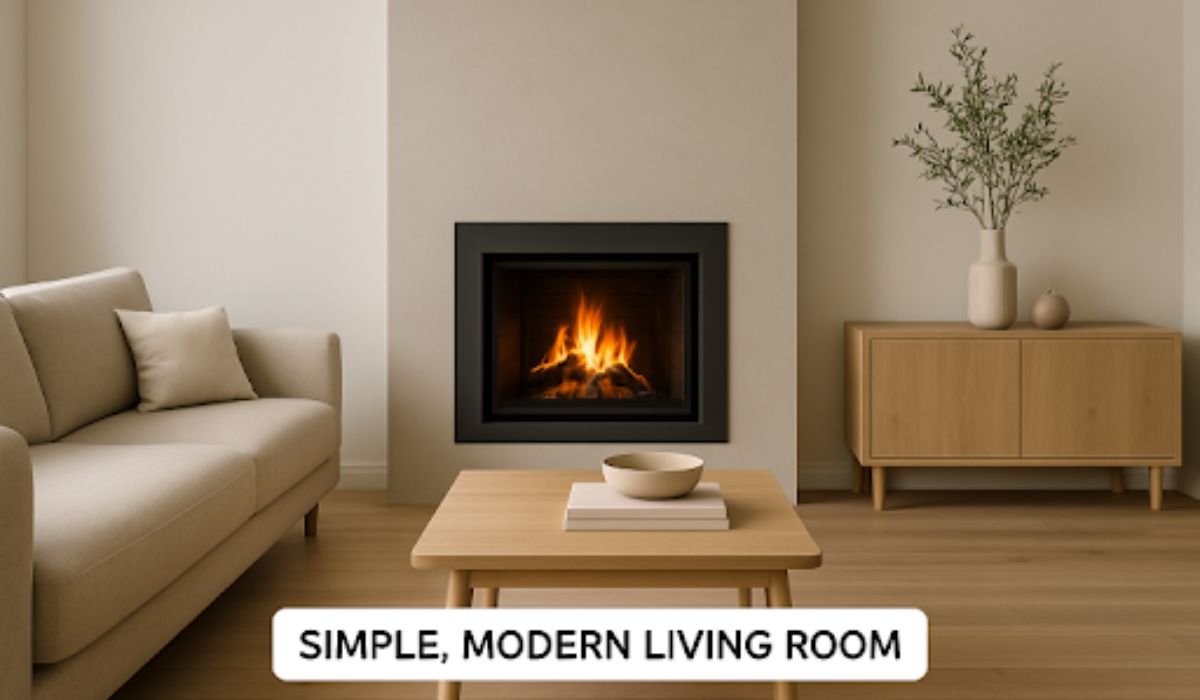
Incorporating a fireplace into a modern home can instantly elevate both style and comfort. With numerous innovative options available today, homeowners have the freedom to choose a fireplace that suits their space and lifestyle. Whether you seek sustainable heat or a bold design feature, successful installation starts with understanding your choices and planning carefully. For expert help from certified professionals, consider these specialized installation services tailored to modern living spaces.
An attractive new fireplace doesn’t just increase your home’s value—it also transforms any room into a warm, inviting retreat. However, modern homes present unique integration challenges, including airtight construction, strict building codes, and limited floor plans. By learning proper installation techniques and best practices, you can enjoy your fireplace’s ambiance safely and efficiently.
Choosing and installing the ideal fireplace today requires a focus on contemporary aesthetics, energy efficiency, and reliable operation. The right approach helps you avoid costly mistakes while enjoying the real benefits of a home fireplace.
For those who want clean, convenient warmth, exploring professional gas fireplace services is a great option, offering modern solutions for all needs and budgets.
Consulting unbiased resources such as Houzz’s fireplace guide can provide additional design inspiration and guidance for homeowners considering installation.
Types of Fireplaces for Modern Homes
Modern homeowners can select from several innovative fireplace types, each suited to contemporary needs and lifestyles:
- Electric Fireplaces: Popular for their ease of installation and minimal maintenance, electric fireplaces create an inviting ambiance without requiring a chimney or venting. Many units offer programmable features for customized comfort.
- Gas Fireplaces: Delivering real flames and instant heat, gas models are both energy-efficient and clean-burning. They require a gas connection and vent, but are ideal for homeowners seeking convenience and style.
- Wood-Burning Fireplaces: The classic choice, wood-burning fireplaces offer rustic character and authentic warmth. While they do require a chimney and frequent upkeep, they remain a favorite for those who appreciate traditional coziness and the crackle of real logs.
- Bioethanol Fireplaces: Using renewable, ventless fuel, bioethanol fireplaces are eco-friendly and highly adaptable. They can be installed almost anywhere, making them ideal for open-plan layouts or areas with limited space.
Essential Installation Considerations
A successful fireplace installation requires attention to critical technical and regulatory details:
- Location: The placement should complement the room’s traffic flow, balance the visual weight of furniture, and—most importantly—allow for proper ventilation.
- Ventilation: Proper venting is crucial for gas and wood models to prevent the buildup of harmful gases. This often means professional installation and sometimes minor renovations, especially in air-tight modern homes.
- Building Codes: Always adhere to local building codes and obtain necessary permits. Regulations may dictate the type of fireplace, flue diameter, hearth size, clearance from walls, and other factors. Noncompliance can result in fines or pose safety hazards.
- Professional Installation: Even for seemingly simple electric fireplaces, hiring certified installers helps ensure safety, performance, and compliance with all codes and guidelines.
Design Integration Tips
Fireplaces are not only functional but also focal points in modern interiors. Consider these strategies for seamless integration:
- Minimalist Mantels: Contemporary design favors clean lines, so opt for streamlined mantels or even a flush mount without extra ornamentation.
- Material Selection: Materials like tempered glass, brushed metal, or high-gloss stone pair perfectly with modern aesthetics. Matte black finishes add a bold touch without overwhelming the space.
- Color Schemes: Stick to neutral tones or coordinate fireplace surrounds with accent colors found elsewhere in your decor to maintain harmony.
- Placement: Install the fireplace off-center, double-sided between two rooms, or even in unexpected spots, such as corners, for a unique flow and visual impact.
Enhancing Energy Efficiency
Today’s energy-efficient models do more than look great—they can offer real savings. Here’s how:
- Sealed Combustion Units: Pulling combustion air from outside significantly cuts heat loss and prevents drafts, especially in tightly built, modern spaces.
- Programmable Thermostats: Adjusting settings to suit your schedule reduces energy waste—and your utility bill.
- High-Efficiency Models: Look for high AFUE (Annual Fuel Utilization Efficiency) ratings or ENERGY STAR marks to ensure maximum warmth from every dollar spent.
- Proper Insulation: Insulate the walls surrounding your fireplace to keep heat where you want it. For more tips, visit the U.S. Department of Energy’s guide to fireplaces.
Maintenance Tips for Longevity
Extend the life and performance of your fireplace with regular, thoughtful care:
- Annual Inspections: Schedule a professional check-up and cleaning of your fireplace and chimney annually, ideally before the heating season begins.
- Clean Glass Doors: Wipe down glass regularly with approved cleaners to keep your view of the flames bright and clear.
- Check Seals and Gaskets: Inspect and replace compromised seals to maintain airtightness and efficiency in your system.
- Monitor for Damage: Look for cracks, rust, or unusual odors, and address problems promptly to avoid more extensive repairs down the road.
Safety Measures to Implement
Prioritizing safety protects your home and family, whether you’re new to fireplaces or a seasoned owner:
- Smoke and Carbon Monoxide Detectors: Install detectors near all fireplaces and check them regularly for proper operation.
- Fire Extinguisher: Always have a working fire extinguisher accessible nearby for emergencies.
- Clearance Zones: Keep flammable materials, such as drapes, furniture, and decor, well away from the hearth and opening.
- Child Safety: Use sturdy screens or clever child barriers to reduce burn risks and accidental contact with hot surfaces.
Cost Considerations and Budgeting
Planning for fireplace installation involves more than just the up-front purchase price:
- Initial Costs: The type of fireplace, chosen materials, and complexity of installation all influence price, ranging from budget-friendly electric units to custom wood-burning models.
- Operating Costs: Ongoing expenses include fuel (electricity, gas, or wood), routine maintenance, and possibly insurance adjustments.
- Maintenance Expenses: Don’t overlook small annual upkeep costs—these preserve efficiency, safety, and warranty eligibility.
- Energy Savings: An efficient fireplace can supplement your home’s other heating systems, sometimes reducing central heating bills in cooler months.
Conclusion
A modern fireplace enhances a home’s style, comfort, and value, but its benefits depend on choosing the right system, installing it properly, and maintaining it diligently. With a focus on efficiency, design harmony, and ongoing safety, your fireplace will provide a reliable source of warmth and ambiance for many years. To come, invest in quality installation and innovative design to truly make the most of your modern home’s most inviting feature.
YOU MAY ALSO LIKE: The Art of Creating Cozy and Inviting Living Spaces