





A well-maintained septic system is essential for effectively managing household wastewater and preventing health hazards or environmental issues. The earliest signs of trouble are often subtle, but ignoring them can quickly escalate into inconvenient, expensive, and even dangerous problems. One of the most important steps is to recognize these symptoms early and respond quickly to protect your home’s plumbing, your wallet, and the environment. When problems arise or you need reliable care, local professionals are ready to help with septic tank service near me.
Routine inspections and proactive maintenance help homeowners extend septic system life and prevent emergencies. Recognizing issues early saves time and money, safeguards your property, and ensures compliance with health regulations. Prompt action reduces risks of property damage, groundwater contamination, and legal problems. Vigilance about septic health is crucial for community water quality and environmental sustainability.
Slow Drains and Gurgling Sounds
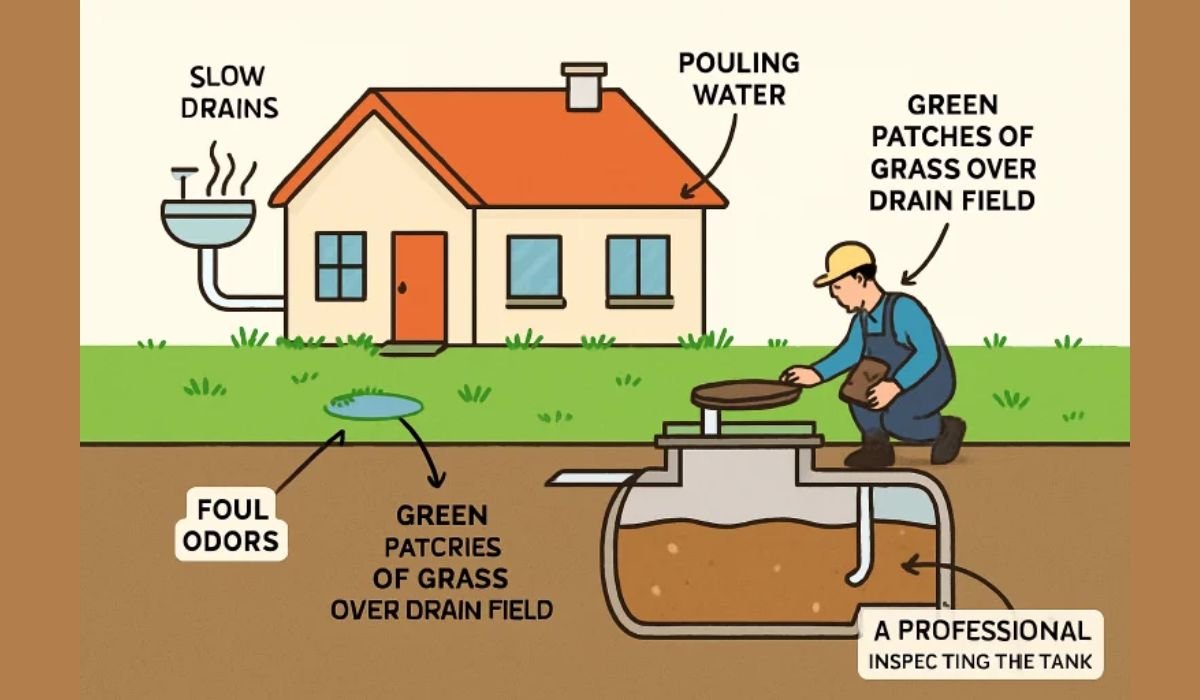
When water drains slowly from sinks, showers, or toilets, or when unusual gurgling sounds emerge from the plumbing, it may be a sign of a clog or that the septic system is reaching its capacity. These symptoms point to a disruption in the flow of wastewater through the pipes and into the tank. Ignoring these signs could ultimately result in more severe complications, including potential sewage backup.
What to Do: Avoid using chemical drain cleaners, as they can disrupt the bacterial balance needed to break down waste in the tank. Instead, call a certified septic professional for an inspection and, if needed, schedule a pump-out. Industry guidance recommends septic tank pumping every 2–3 years to maintain optimal performance and prevent problems from developing unnoticed.
Unpleasant Odors Indoors or Outdoors
Signature sewage odors in your home or around your yard’s septic area should never be ignored. Such smells are clear indicators of trouble—possibly a full, leaking, or malfunctioning tank, or escaping gases. Unpleasant aromas inside or outside can signal that wastewater isn’t being contained and treated as intended.
What to Do: Schedule an immediate inspection with a licensed septic technician. Identifying the source of the odor and resolving it quickly is key—not only to prevent system damage, but to protect indoor air quality and health.
READ ALSO: Top 6 Signs You Need a Septic Tank Cleanout
Pooling Water or Soggy Spots in the Yard
Persistent wet patches or standing water near your septic tank or drain field, especially during dry weather, often means your system is overburdened or malfunctioning. Causes may include a leaking tank, saturated drain field, or blockages within the system. These oversaturated areas can harbor bacteria and create further complications for your property.
What to Do: Contact a septic service provider for immediate assessment. Solutions may include pumping the tank or repairing the drain field. In some cases, advanced treatment or system replacement may be advised if soil absorption is compromised. Timely intervention helps preserve your lawn and keeps untreated wastewater away from your living environment.
Lush, Green Grass Over the Drain Field
While a healthy lawn is appealing, overly lush or fast-growing grass directly over your drain field can be a sign that nutrient-rich wastewater is leaking into the soil surface. Rather than normal absorption, the system may be failing to properly filter and break down effluent, causing excess moisture and nutrients to fertilize your lawn.
What to Do: Arrange for a septic system evaluation to identify potential leaks or drainage issues. Addressing inefficiencies early protects your property, prevents water pollution, and ensures compliance with local regulations.
Sewage Backups in the Home
The most alarming sign of septic system distress is sewage backup in your home’s sinks, tubs, or toilets. Such events pose immediate health hazards, contaminate indoor spaces, and can cause costly water damage. Backups often indicate a complete failure in waste management, demanding urgent action.
What to Do: Stop all water use in the house and contact emergency septic services immediately. Professionals can clear the backup, identify the underlying cause, and provide guidance on necessary repairs or upgrades. Do not attempt to use plumbing until the incident is fully resolved and deemed safe by a technician.
Frequent Need for Pumping or Clogs
Suppose you experience the need to pump your septic tank more frequently than recommended, or repeated clogs are affecting your household’s drainage. In that case, it may suggest serious problems, such as deteriorating tank components, pipe collapse, or invasive roots within the system. These recurring issues merit investigation and likely repairs.
What to Do: Schedule a comprehensive inspection with a certified septic technician. Identifying and fixing the root cause—whether a mechanical failure, physical obstruction, or infiltration—ensures reliable, long-term system function.
Preventive Measures and Maintenance Tips
Scheduled upkeep is crucial for maintaining an efficient septic system and avoiding costly emergencies. Key practices include conducting regular professional inspections each year to detect issues early; conserving water to reduce system load and wear; properly disposing of waste by avoiding non-biodegradable items and harmful substances; and protecting the drain field from damage through restricted driving and construction activities. Remaining vigilant about warning signs, responding promptly, and adhering to a consistent inspection routine will enhance the longevity and effectiveness of your septic system, benefiting both your property and the surrounding environment.
Final Thoughts
Recognizing the early signs of septic system trouble and responding quickly can make all the difference in preventing major damage and costly repairs. By staying attentive to changes in drainage, odors, lawn conditions, and plumbing performance, homeowners can address issues long before they escalate. Pairing this awareness with routine maintenance, responsible water use, and regular professional inspections helps ensure your system operates safely and efficiently. With proper care, your septic setup will continue to protect your home, your health, and the environment for years to come.
YOU MAY ALSO LIKE: The Cost-Saving Benefits of Routine Septic System Care