





For many Michigan residents, accessing Medicaid can be challenging when their income exceeds the program’s thresholds. However, the state’s spend-down process offers a crucial lifeline for those trying to qualify for critical health coverage despite earning more than the eligibility limits permit. It’s essential to understand how the spend-down process works, what rules and requirements Michigan enforces, and the strategies that can help you maximize your benefits or protect your assets. If the rules seem overwhelming, consulting a Grand Blanc Medicaid planning lawyer can provide much-needed clarity and support throughout the Medicaid application journey.
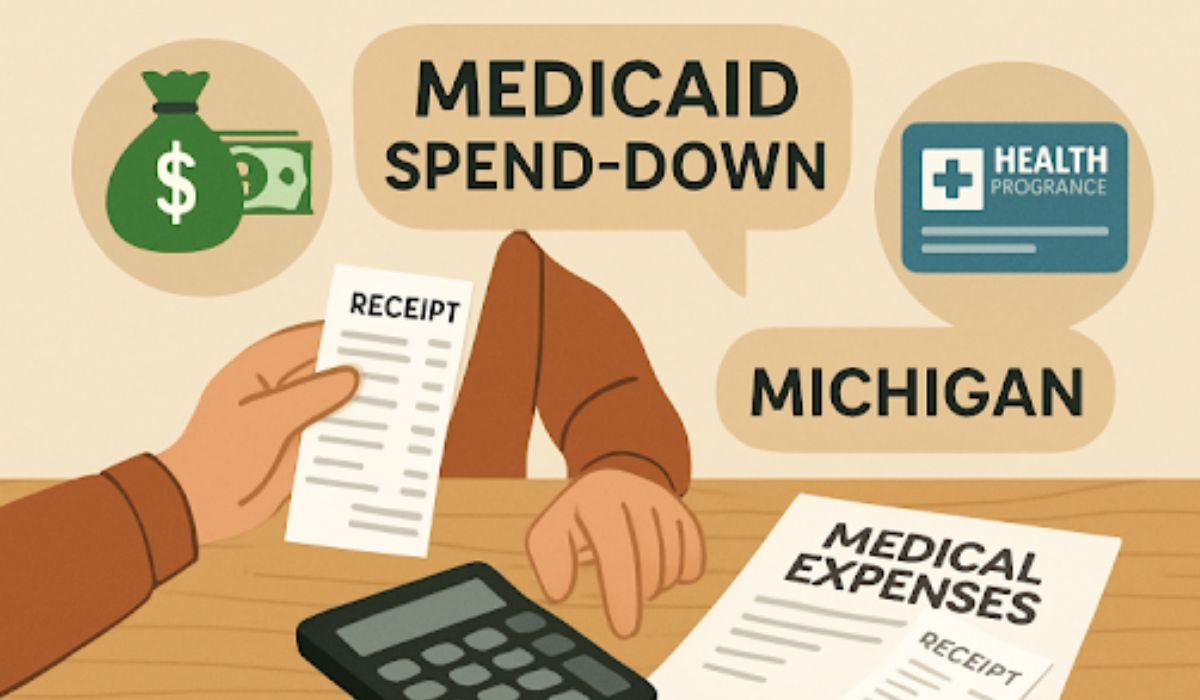
Spend-down can seem confusing initially. It allows individuals over Medicaid’s income limit to reduce excess income through out-of-pocket medical expenses, helping them qualify when costs exceed their income. This is vital for seniors or disabled people facing regular, high medical bills but still above financial limits. Knowing Michigan’s spend-down rules and keeping detailed records are essential for successful applications and ongoing coverage.
Medicaid also has strict asset limits and reviews applicants’ finances for years before requesting help. This prevents people from transferring wealth to qualify artificially. Without careful planning, this can lead to disqualification or delays. Preparation ensures continuous coverage and avoids costly mistakes.
The spend-down may be relevant for planning for an elderly parent, long-term care, or high medical costs. Understanding qualifying expenses, asset limits, and the review system helps protect your health and finances. Staying informed about federal and state Medicaid policies is crucial, as regulations may change.
Understanding Medicaid Spend-Down
The Medicaid spend-down in Michigan works like a deductible. If your income is above the Medicaid eligibility level, you can deduct out-of-pocket medical expenses from that income. Once your expenses for a given month match your “excess income,” Medicaid coverage will activate for covered services that month. It is important to clarify that expenses used to meet your spend-down won’t be reimbursed by Medicaid; rather, they count as your share of the cost to make you temporarily eligible for benefits. This process helps those who need Medicaid the most but narrowly miss the eligibility requirements.
Michigan’s Spend-Down Rule
Michigan follows the “medically needy” pathway. Applicants must meet the state’s spend-down criteria during a one-month eligibility period—a rolling window where you must document qualifying expenses sufficient to offset your excess income. Michigan reviews income and qualifying medical bills each month, so applicants must track and submit claims regularly. Recent updates to the program have raised the spend-down threshold, simplifying access for people with substantial health needs who still exceed income limits. This is especially useful for seniors and people with chronic health problems who otherwise could not afford ongoing care.
Qualifying Medical Expenses
To satisfy the spend-down requirement for Medicaid, individuals can use various medical-related expenses, including hospital and medical bills, prescription drug costs, health insurance premiums (including Medicare Part B or D), medical equipment, necessary supplies, transportation for medical care, and home health or personal care services. It is crucial to maintain proper documentation; keeping receipts and records of all expenditures is necessary to submit proof monthly with the Medicaid application. Failure to track these receipts may lead to delays or denial of eligibility, even if you meet both income and spend-down requirements.
Asset Limits and the 5-Year Look-Back Rule
Income is only one side of eligibility. Medicaid also imposes asset tests. As of February 2025, Michigan’s asset limit stands at $9,660 for individuals and $14,470 for couples. Assets are counted based on what you own, including bank accounts, bonds, cash, and additional property beyond your primary home and car. The program examines all asset transfers within five years before you apply, the so-called “look-back” period. If you transferred property or funds below market value within this timeframe, you could face significant penalties or extended periods of ineligibility.
Strategies to Meet Spend-Down Requirements
Meeting a spend-down efficiently requires a strategy. Individuals should consider prepaying medical expenses or accelerating treatments so costs fall within the same one-month measurement period. Other helpful strategies might include investing in home modifications for medical reasons, purchasing necessary medical equipment, or consolidating recurring health services within the same month. Professional advisers can develop plans customized for your specific situation, especially as state formulas or federal rules are adjusted.
Potential Changes in Medicaid Policy
Medicaid is dynamic, with both federal and state governments frequently changing spending thresholds, asset limits, and application processes. Michigan’s status as a Medicaid expansion state may shield it from some stricter federal reforms, but it is important to review program updates at least annually, or whenever a family member’s financial situation changes.
Seeking Professional Assistance
The Medicaid rules and eligibility process change frequently and often require legal or financial expertise. Seeking guidance from a qualified elder law attorney or a Medicaid planning professional ensures your assets are protected and the application is prepared correctly, reducing the risk of costly mistakes or unnecessary delays. Their expertise can identify overlooked deductions, maximize your eligibility, and help you comply with Michigan’s evolving system.
Conclusion
Deciding to pursue Medicaid through Michigan’s spend-down process requires patience, planning, and diligent record-keeping. The more deeply you understand the rules, qualifying expenses, and state asset guidelines, the better your chances of receiving timely approval for health coverage. With comprehensive preparation and the right professional guidance, you can achieve Medicaid eligibility and secure the healthcare your family needs without overwhelming financial hardship.
YOU MAY ALSO LIKE: Home Buying: A Guide to Making Informed Decisions