









Proper septic system maintenance is more than just a household responsibility—it’s a crucial way to protect your wallet from unexpected expenses and your property from costly disasters. Homeowners who invest in regular inspections and care not only avoid unpleasant sewage backups but also gain peace of mind and prolong the lifespan of their septic system. For those living in the Central Florida area, understanding the importance of septic services Orlando, FL, can be the difference between manageable upkeep and a financial burden.
Routine septic care protects your home from costly emergencies, maintains your property’s value, and contributes to a clean, healthy environment. Failing to maintain your septic system can lead to contaminated water sources, costly repairs, and hefty fines. That’s why proactive homeowners are increasingly recognizing maintenance as a wise financial strategy, not just a sanitary requirement. Neglecting your septic tank doesn’t just result in foul odors and wet spots in the yard—it can escalate into widespread property damage and legal trouble due to environmental contamination. By scheduling consistent inspections and following professional recommendations for pumping and upkeep, you actively guard your family’s health, your investment, and your surroundings.
Understanding Septic Systems
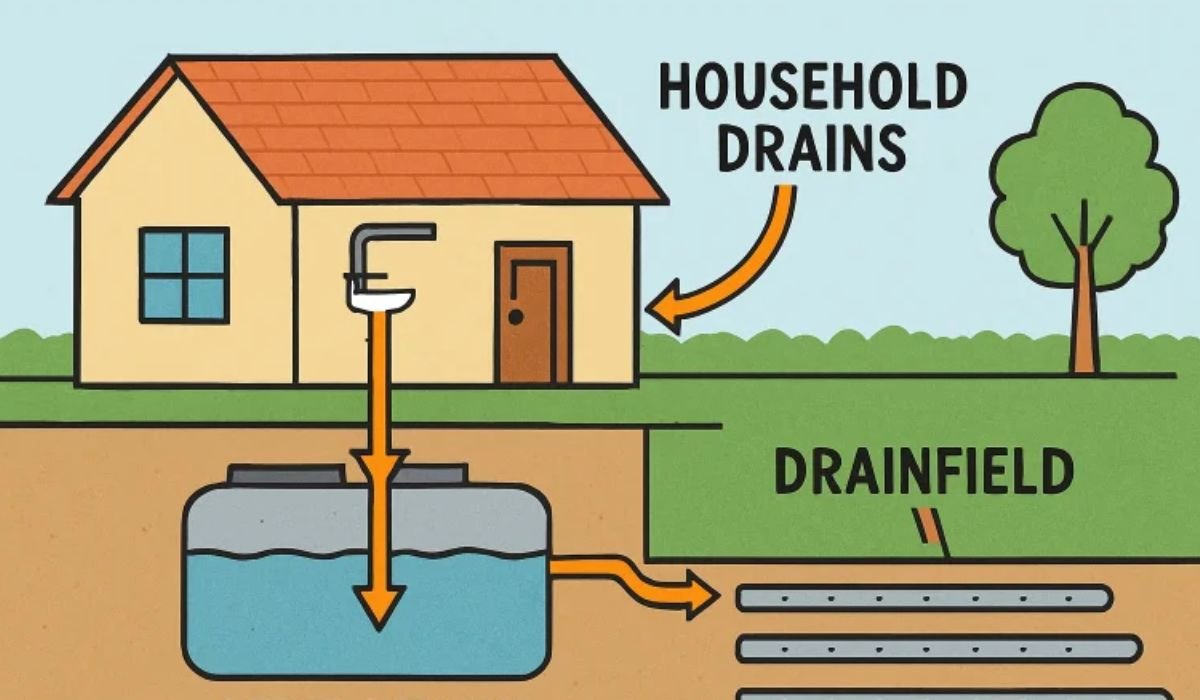
Septic systems are underground structures designed for wastewater treatment in properties not connected to municipal sewer lines. The main components—septic tank and drainfield—work together to break down organic matter and naturally filter wastewater before it’s released into the surrounding soil. The septic tank holds wastewater long enough to allow solids to settle and oil and grease to float to the top, while the remaining liquid flows into the drainfield for further treatment by soil microbes.
Financial Benefits of Regular Maintenance
According to experts at the U.S. Environmental Protection Agency, investing in routine care, such as inspections and pump-outs, significantly reduces the risk of system failure. While the average cost of septic tank pumping ranges from $250 to $500, the cost of neglect can multiply quickly—replacing a failed septic system may cost between $3,000 and $7,000, or more, depending on the system type and local regulations. This stark contrast makes maintenance a much more affordable choice for homeowners.
Health and Environmental Advantages
A well-functioning septic system provides a crucial barrier between household waste and the environment by effectively removing pollutants from wastewater. When neglected, septic systems can overflow, spreading bacteria, viruses, and chemicals that endanger both human health and local ecosystems. Groundwater contamination from a failing septic system can reach public water supplies and nearby streams or lakes, posing serious risks to the community.
Cost Comparison: Maintenance vs. Replacement
Routine maintenance is a small investment when compared to the high price of septic system replacement. A simple tank pumping typically costs a few hundred dollars, while neglect can result in a complete system replacement, potentially reaching $7,000 or more. Add to that the costs of landscape repair, possible penalties, and the inconvenience of displaced sewage, and it’s clear that proactive care is far more economical in both the short- and long-term.
Simple Steps to Maintain Your Septic System
- Conserve Water: Reducing water usage lessens the burden on your septic system, preventing overload and extending its service lifespan. Install water-efficient appliances and promptly fix plumbing leaks.
- Proper Waste Disposal: Avoid flushing non-biodegradable materials, grease, medications, or chemicals, as they can disrupt tank biology and clog drainfields.
- Protect the Drainfield: Never park vehicles or place heavy equipment over your drainfield to avoid soil compaction, which impedes wastewater treatment.
- Schedule Inspections: Routine professional inspections and timely pump-outs will keep your septic system operating efficiently and help diagnose potential problems early.
Conclusion
Regular septic system maintenance is a wise investment that saves you from costly repairs, preserves your property’s value, and ensures a safe, healthy environment for the community. By staying proactive with inspections, pump-outs, and everyday best practices, homeowners protect their families—and their budgets—for years to come.
YOU MAY ALOS LIKE: How Healthy Drain Fields Can Save You Money