









Maintaining a comfortable home involves more than just adjusting the thermostat or adding cozy furnishings, managing moisture levels is crucial as well. Excess humidity can create damp environments that feel uncomfortable and may even encourage the growth of mold, affecting both indoor air quality and the integrity of walls, ceilings, and furniture. By addressing moisture sources through proper ventilation, timely leak repairs, and the use of dehumidifiers, homeowners can create a healthier, more pleasant living space. Effective moisture control not only enhances everyday comfort but also helps protect the home and the well-being of its occupants.
Understanding Indoor Humidity
Indoor humidity measures the amount of water vapor present in the air inside a home. Ideally, this value should be kept between 40 and 50 percent to maximize comfort and avoid health or structural problems. High humidity makes the air feel muggy and encourages mold and dust mite growth. Conversely, low humidity can irritate the sinuses and skin, especially in drier months.
Everyday activities like cooking, bathing, and drying clothes indoors increase indoor air moisture. Homes that are not well ventilated or insulated may also be at higher risk of unbalanced humidity levels. By identifying moisture sources and their flow paths, homeowners can take measures to stabilize their indoor climate.
Signs of Excess Moisture
Excess moisture in the home often leaves visible and detectable clues, making it possible to address problems before they escalate. Common signs include condensation on windows, especially in the morning or after showers, persistent musty or damp odors in specific rooms, and visible mold or mildew in corners, basements, or behind furniture. Other indicators include peeled paint, warped wooden surfaces, or bubbling wallpaper. Early recognition of these issues is crucial, as unchecked moisture can lead to structural damage, compromised insulation, and widespread mold growth. Professional mold testing can be an effective next step when these signs appear, helping identify hidden contamination and ensuring appropriate remediation before the problem becomes more severe.
Effective Moisture Control Strategies
Managing humidity involves a combination of mechanical solutions, routine maintenance, and lifestyle adjustments. Major strategies include:
Use Dehumidifiers
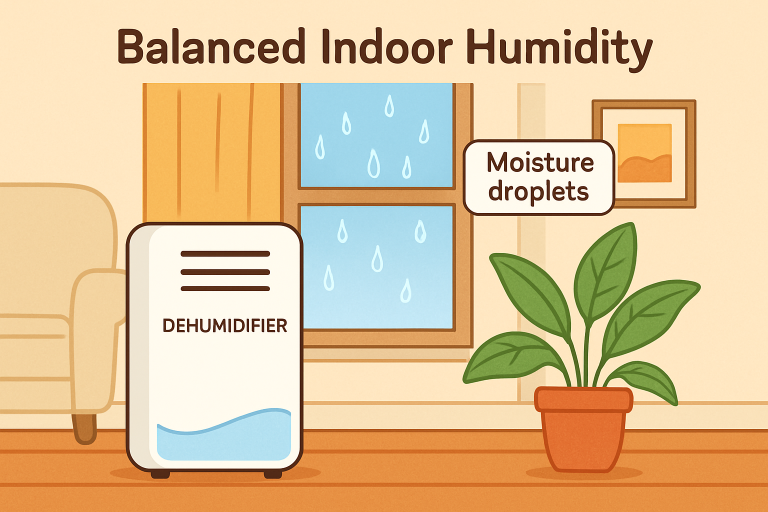
Dehumidifiers are an efficient way to remove excess moisture from the air, especially in damp areas such as basements and bathrooms. Modern units come in various sizes and can pull several gallons of water from your indoor air each day. Using a dehumidifier where needed is a straightforward way to maintain a comfortable humidity level year-round.
Improve Ventilation
Proper ventilation is crucial. Install and use exhaust fans in kitchens, bathrooms, and laundry rooms. Make sure these fans direct air outside, not just into attics or crawl spaces. Routinely open windows when the weather allows, and ensure that air is able to circulate throughout every room. Cross ventilation, in which you open windows on opposite sides of a room or house, can be especially effective during mild weather.
Seal Leaks and Cracks
Moisture often enters homes through gaps around doors, windows, and foundations. Regularly inspect and seal any leaks you discover with caulk or weatherstripping. Roof repairs should be made promptly if any water intrusion is detected during storms. Routine checkups can prevent moisture from entering and energy loss.
Monitor Indoor Plants
While indoor plants help purify air, too many can increase ambient moisture. Grouping plants and placing them in well-ventilated areas can help limit their impact. Choose plants that do not require excessive watering and monitor soil dampness to avoid unnecessary humidity.
Benefits of Maintaining Optimal Humidity
- Enhanced Comfort: When humidity is balanced, your home feels less stuffy in summer and less parched in winter. This creates an environment where furniture and personal belongings remain in better condition.
- Healthier Air Quality: Regulating moisture levels can dramatically reduce allergens such as dust mites and mold spores. People with allergies, asthma, or other respiratory issues benefit from this improved air quality.
- Preserved Home Value: By minimizing water damage and stopping mold before it starts, homes maintain their structural integrity and need fewer repairs over time.
Conclusion
Effective moisture control is one of the simplest ways to boost the comfort, healthfulness, and longevity of your home. By staying alert for signs of excess water, prioritizing good ventilation, employing dehumidifiers, sealing leaks, and paying attention to the number and location of houseplants, you can ensure your living space remains pleasant and safe. Routine steps like these not only safeguard your family’s well-being but also help protect your home’s investment for years to come.
READ ALSO: Stay Comfortable All Summer: Easy Fixes for Common Air Conditioning Problems