








Florida’s business landscape continues to adapt to changing demands, and modern flooring is at the forefront of this transformation. Innovations in material science and interior design shape how spaces function and look. Companies looking to remain competitive should stay on top of advancements in commercial flooring to ensure environments are both resilient and visually striking. Functional, attractive flooring not only contributes to daily operations but also leaves a lasting impression on visitors and clients.
The Sunshine State’s unique climate, coupled with increased sustainability focus, is influencing flooring choices across retail, corporate, hospitality, and industrial spaces. Growing numbers of facility managers prioritize not only durability but also eco-friendliness and design flexibility. These priorities guide decisions on materials, technology, and customization for newly built and renovated commercial properties.
Versatile applications, from office corridors to retail showrooms, demonstrate the growing influence of smart design and engineering in Florida flooring. New options also provide facilities with a way to support wellness and sustainability while keeping maintenance costs down. Businesses involved in more specialized applications should also explore advances in manufacturing flooring to match their unique industry needs. As technology and sustainability standards continue to evolve, investing in innovative flooring solutions can help businesses create more efficient, adaptable, and future-ready commercial environments.
Embracing Sustainable Materials
Business owners in Florida are increasingly drawn to environmentally responsible flooring options, such as bamboo, cork, and recycled-content materials. Cork stands out for its superior cushioning, sound absorption, and its remarkable renewability, as it is harvested without harming the tree. Similarly, bamboo grows rapidly, making it a sustainable resource for high-performance flooring. These materials provide robust insulation properties to counter Florida’s heat and humidity, improving interior comfort and energy efficiency. Demand for sustainable flooring is partly fueled by consumer awareness and stricter green building standards, including LEED certification requirements.
Manufacturers are also leaning into reclaimed wood and recycled rubber flooring, diverting materials from landfills while providing durable, resilient surfaces. In addition to sustainability, many of these materials offer ease of installation, water resistance, and low emissions of volatile organic compounds (VOCs), helping maintain indoor air quality.
Technological Advancements in Flooring
Recent years have brought the convergence of technology and flooring, giving rise to smart flooring systems that integrate seamlessly with other building controls. These advanced systems come with embedded sensors that track occupancy, foot traffic patterns, and environmental conditions in real time. By leveraging this data, facility managers can better map out cleaning schedules, optimize lighting usage, and even control heating and cooling based on activity zones.
Smart flooring not only improves the operational efficiency of commercial buildings but also supports safety and long-term cost savings. For instance, non-slip coatings and antimicrobial surfaces have become standard in high-traffic settings, reducing slip incidents and resisting the growth of bacteria or mold. As a result, businesses in healthcare, retail, and hospitality sectors are quickly adapting these technologies to maintain high standards of cleanliness and safety.
Design Trends: Biophilic Elements and Customization
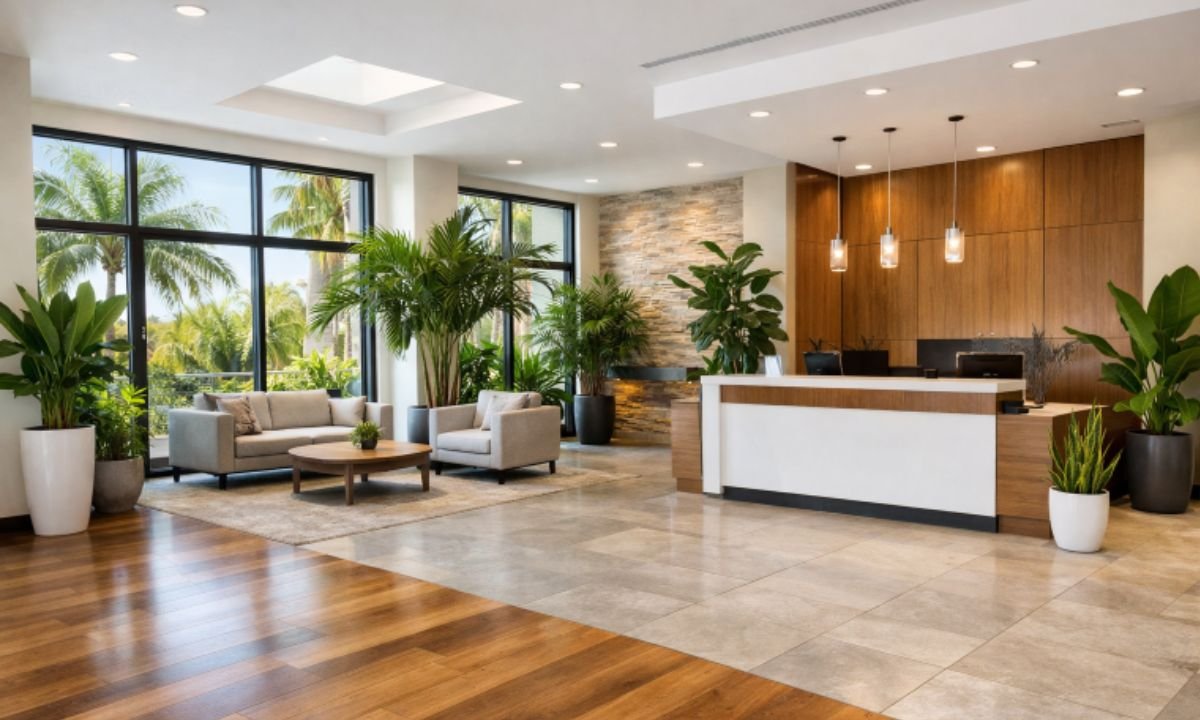
With the move toward well-being-centered environments, biophilic design has taken root in commercial flooring. Earth-toned tiles, wood-look laminates, and natural stone textures bring the calming effects of the outdoors inside. This connection to nature not only enhances aesthetics but can also boost morale, productivity, and even cognitive function among employees and visitors.
Customization also plays a significant role as companies look to reinforce their brand identities through unique patterns, logos, and color schemes on floors. Luxury vinyl tile (LVT) and modular carpet tiles are particularly popular for businesses seeking flexible design options that enable creative layouts and quick replacements in the event of damage. Flexibility in design supports Florida’s diverse commercial environments, from restaurants aiming for an inviting atmosphere to office parks seeking a modern and unified look.
Prioritizing Durability for High-Traffic Areas
Florida’s commercial spaces see substantial visitor traffic, making durability a top priority. Today’s most sought-after flooring options feature advanced coatings such as polyurethane and ceramics that provide superior resistance to abrasion, scratching, and staining. These finishes make daily maintenance simple and extend the floor’s lifespan, helping businesses avoid frequent costly replacements.
Materials such as luxury vinyl tile and commercial-grade porcelain tile are ideal for areas prone to spills or high humidity. These options combine aesthetic appeal with practical resilience, making them mainstays in environments ranging from healthcare corridors to retail venues. Their installation flexibility and resistance to warping in humid conditions reinforce their popularity across Florida. The right choice of flooring can offer years of use while maintaining its original appearance, providing true long-term value.
Conclusion
Florida’s dynamic business environment is reflected in the evolving flooring trends that prioritize sustainability, technological integration, and creative design. Companies looking to stay ahead must consider how their flooring choices impact daily operations, employee well-being, and client perceptions. By exploring new materials and leveraging emerging technology, businesses can create inviting spaces that are resilient and future-ready. For those seeking further insights into the complexities of commercial flooring solutions, more resources are available from leading industry publications and organizations focused on workplace innovation.