









In today’s world, creating a home that’s both stylish and environmentally friendly is more important than ever. Sustainable interior design not only benefits the planet but also enhances the quality and longevity of our living spaces. For those seeking unique, high-quality furnishings aligned with eco-friendly principles, Rawhide International Inc., a premier furniture store in Toronto, offers a range of custom-crafted pieces crafted from sustainable materials.
Sustainable Materials and Finishes
Opting for sustainable materials is a cornerstone of eco-friendly interior design. Materials like reclaimed wood, bamboo, and recycled metal not only reduce environmental impact but also add unique textures and stories to your home. For instance, using recycled glass tiles or terrazzo made from offcuts can create stunning surfaces that are both durable and environmentally responsible. Additionally, choosing low or zero-VOC (volatile organic compounds) paints improves indoor air quality, making your home healthier for its occupants.
Incorporating Vintage and Antique Furniture
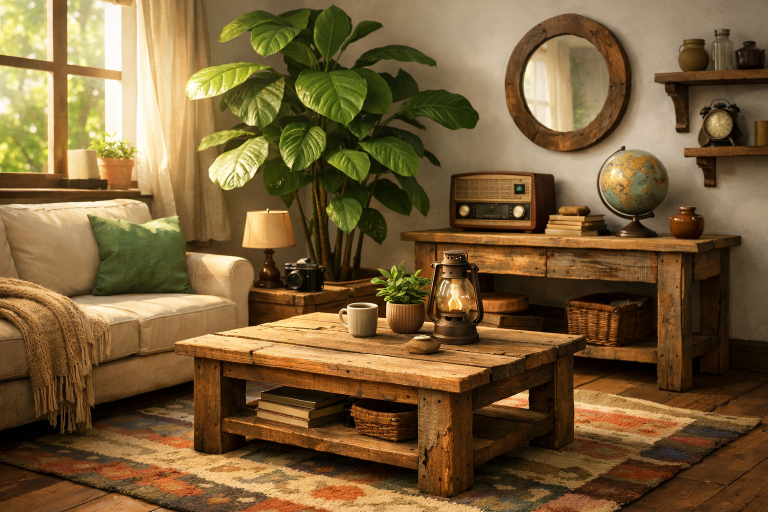
Integrating vintage and antique furniture into modern interiors is a trend that marries sustainability with style. These pieces bring a sense of history and uniqueness to a space while reducing the demand for new manufacturing. As noted by interior designer Carina Harford, clients are increasingly investing in vintage and antique furniture over modern, low-quality options. These older pieces are often made of solid wood, crafted beautifully, and have already lasted 50–100 years, offering both durability and timeless appeal.
Biophilic Design: Bringing Nature Indoors
Biophilic design focuses on incorporating natural elements into interior spaces to create a connection with nature. This can be achieved through natural light, indoor plants, water features, and materials such as stone and wood. Such designs have been shown to improve mental well-being and productivity. For example, integrating large houseplants and using organic-textured materials can transform a room into a serene, nature-inspired retreat.
Energy-Efficient Lighting and Appliances
Adopting energy-efficient lighting and appliances is a practical step toward sustainable living. LED lighting, for instance, consumes significantly less energy and has a longer lifespan compared to traditional incandescent bulbs. Similarly, choosing appliances with high energy-efficiency ratings can reduce both your carbon footprint and utility bills. Incorporating smart home technologies can further optimize energy use by allowing you to control lighting and appliances remotely, ensuring they are used only when needed.
Choosing Local and Responsibly Sourced Materials
Selecting locally sourced, responsibly harvested materials supports local economies and reduces the environmental impact of transportation. For example, using locally sourced timber or stone not only adds a unique regional character to your home but also ensures that the materials are suited to the local climate and conditions. This practice aligns with the growing trend of homeowners prioritizing transparency, health, and longevity in their design choices.
Eco-Conscious Fabrics and Finishes
Beyond hard materials, the textiles and finishes you choose play a major role in sustainable interiors. Seek out organic cotton, linen, hemp, and Tencel, which are produced using fewer chemicals and less water compared to conventional counterparts. Many contemporary designers and retailers now offer furniture and soft furnishings with certifications such as OEKO-TEX or GOTS, ensuring that fabrics are produced without harmful substances. Additionally, eco-friendly upholstery and drapery feature natural dyes or water-based finishes, further minimizing environmental impact. Wool is another excellent choice, prized for its natural resilience, biodegradability, and warmth.
Waste Reduction and Circular Design
Sustainable design increasingly involves strategies to minimize waste and embrace circularity. This mindset calls for purchasing fewer, higher-quality, long-lasting pieces and repairing or refinishing items rather than discarding them. Take advantage of recycling programs or donate unused items to local charities and upcyclers. Designers are also creating modular furniture that can be disassembled, repaired, upgraded, or recycled at the end of its life, supporting a truly circular economy. Limiting excess packaging and single-use plastics in home goods purchases is another meaningful step.
DIY and Upcycling in Interior Design
Creative DIY projects and upcycling are both budget-friendly and sustainable approaches to interior design. Transforming old dressers into vanities, repainting or reupholstering existing furniture, and incorporating salvaged materials, such as using leftover tiles to create a backsplash or a mosaic, can breathe new life into once-discarded items. This approach not only extends product lifespans but also allows for highly personalized interiors. Many homeowners enjoy the satisfaction and unique identity that these hands-on projects contribute to their living spaces.
Maintaining a Sustainable Home
Ongoing maintenance and mindful living are crucial to sustaining your green interior design efforts. Choose durable materials that require minimal upkeep and resist premature wear. Regularly assess energy usage and look for new appliance models that further improve your home’s efficiency. Practice mindful consumption, avoid trends that encourage frequent redecorating, and instead invest in timeless pieces. For cleaning, select biodegradable or non-toxic products, and open windows regularly to enhance natural ventilation and promote a healthy indoor environment.
Conclusion
Embracing sustainable trends in interior design allows you to create a modern living space that is both aesthetically pleasing and environmentally responsible. By incorporating sustainable materials, vintage furniture, biophilic elements, energy-efficient technologies, and locally sourced materials, you can design a home that reflects your values and benefits the planet.