







Electrical systems are the backbone of every commercial building, enabling productivity, safety, and sustainability throughout the facility. In today’s fast-paced construction environment, integrating advanced electrical solutions can yield substantial cost savings, reduce energy waste, and enhance business performance. Identifying the right electrical contractor Philadelphia PA can make all the difference in successfully implementing these modern solutions, especially in a market where operational efficiency and compliance are nonnegotiable.
Given the increasing demands on commercial buildings, the need for innovation in electrical systems has never been greater. Leveraging current technologies not only addresses energy consumption challenges but also creates comfortable and productive spaces for occupants. As commercial properties face mounting pressure to meet evolving sustainability benchmarks, electrical upgrades emerge as a critical avenue for achieving these goals. By partnering with the right experts and utilizing proven strategies, businesses can optimize their operations and contribute positively to the environment.
Additionally, today’s market rewards businesses that invest in forward-thinking infrastructure. Efficient electrical systems can serve as a competitive differentiator, enabling companies to reduce overhead costs, meet green building standards, and attract discerning tenants and clients. Every decision, from the choice of lighting to the approach to automation, directly impacts the bottom line and long-term viability of commercial spaces.
Proactive investment in electrical upgrades is not only good for business but also crucial for regulatory compliance and future-proofing assets against rising energy costs and environmental expectations. By understanding and implementing the latest solutions, facility managers can unlock significant operational advantages.
Advanced Electrical Technologies
The advancement of electrical technologies is transforming the efficiency of commercial buildings nationwide. AI-powered HVAC systems, for example, utilize machine learning to monitor occupancy, outdoor temperature, and internal usage patterns, optimizing performance and reducing energy waste. These smart systems can deliver energy savings of 20-30 percent compared to traditional models. A recent case in Chicago demonstrated that applying machine learning algorithms to HVAC controls drove annual savings of $175,000, highlighting the robust return on investment for modern electrical upgrades.
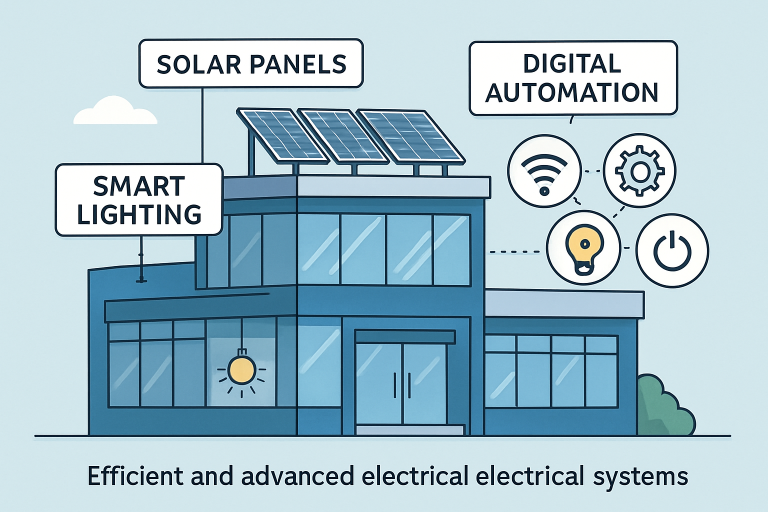
Advanced lighting solutions also contribute to efficiency. LED retrofits, daylight harvesting, and automated controls ensure each space uses only the energy it needs. Combined with sensors that monitor and respond to occupancy trends, these upgrades not only curtail electrical costs but also support a healthier, better-lit work environment.
Smart Building Automation
Smart building automation is a game-changer for commercial facilities management. Automation technologies connect electrical systems with responsive digital controls, enabling facility teams to monitor and adjust lighting, climate, and security remotely. Automated sensors can detect when rooms are empty, dim lights, and lower HVAC output accordingly, preserving energy and cutting costs. Furthermore, centralized dashboards make it easy to analyze consumption trends over time, supporting continuous improvement and sustainability reporting.
Preventive Maintenance Strategies
Proactive preventive maintenance is essential for reducing disruptive outages and extending the lifespan of electrical assets. Regular checks, thermographic inspections, and predictive maintenance practices ensure issues are detected and addressed before they cause downtime. For example, a major retail chain in Portland avoided 2 weeks of downtime and saved significant revenue by conducting detailed maintenance planning before beginning electrical upgrades. Such planning is integral to keeping businesses operational, and it underscores the importance of working with experienced professionals who understand the intricacies of commercial systems.
Energy-Efficient HVAC Systems
q dramatically reduce a building’s energy demand. New equipment, including variable-speed compressors and demand-controlled ventilation, adjusts output to match each zone’s needs in real time. These improvements provide consistent comfort while lowering electricity usage and utility costs. Facility managers should also consider integrating their HVAC systems with other building automation systems, enabling smart scheduling and remote diagnostics for even greater efficiency.
Renewable Energy Integration
Renewable energy solutions, such as rooftop solar panels, enable commercial properties to generate their own clean power. Beyond reducing carbon footprint, on-site generation helps businesses hedge against rising grid rates and may qualify properties for valuable tax credits and incentives. Incorporating renewables is often most cost-effective when combined with energy storage and advanced building controls, which help balance supply and demand throughout the day.
Compliance with Electrical Codes
Adherence to local, state, and federal electrical codes is vital for every commercial project. Staying compliant ensures a building’s safety, avoids costly rework, and speeds up occupancy approvals. Professional electricians stay up to date on evolving regulations and can efficiently implement code-mandated improvements. With rigorous enforcement in many jurisdictions, partnering with a knowledgeable contractor is the surest way to pass inspections the first time.
Conclusion
Adopting efficient solutions for commercial electrical projects unlocks meaningful business benefits, from utility savings to improved operational resilience and sustainability. Leveraging advanced technologies, building automation, systematic maintenance, HVAC upgrades, renewable energy integration, and a commitment to compliance provides a roadmap for modern, future-ready commercial buildings. These strategies lay the foundation for reduced overhead and stronger environmental stewardship, ensuring long-term value for property owners and tenants alike.