







Key Takeaways
- Protect people and pets before attempting cleanup.
- Stop the water source only if it is safe to do so.
- Photograph damage before removing belongings or discarding materials.
- Start safe water removal and drying as soon as possible.
- Keep people away from sewage, floodwater, and electrical hazards.
- Get professional help when water affects structural materials, wiring, HVAC equipment, or large areas.
Water damage can spread quickly through an Alabama home or business, whether it starts with a burst pipe, an appliance leak, a roof failure, heavy rain, or flooding. During the first day, the goal is not to make every surface look normal. It is to make the property safe, limit further damage, preserve evidence, and begin drying properly. For property owners facing a larger or more complex loss, Wet Out Now provides restoration services for property damage Alabama, available to residents and businesses after water, flood, storm, fire, or mold-related incidents. The Alabama-based company handles residential and commercial restoration needs, including emergency flood response, water damage restoration, mold removal, and related recovery services, supported by more than 23 years of industry experience.
Why The First Day Matters
Water does not stay where it first appears. It can move beneath flooring, soak into carpet padding, enter drywall, affect insulation, and collect inside cabinets or wall cavities. Alabama’s warm, humid conditions can also make quick moisture control especially important after a leak or storm event. The EPA explains that moisture control helps prevent mold growth, so prompt drying is an important part of protecting the building and its indoor environment.
Step One: Protect People And Pets
Before entering a wet area, pause and check for immediate hazards. Water near outlets, power strips, appliances, electrical panels, damaged ceilings, broken glass, gas odors, or soft flooring can turn a cleanup task into an emergency.
- Leave the area and contact emergency services if there is an immediate threat to life or safety.
- Do not walk through water near electrical equipment that may still be energized.
- Keep children and pets away from floodwater, sewage, and water from unknown sources.
- Do not stand beneath a ceiling that is bulging, sagging, or visibly damaged.
Step Two: Stop The Source If It Is Safe
If the source is a plumbing leak and you can reach a shutoff without entering hazardous water, turn off the local fixture valve or the home’s main water supply. A washing machine hose, toilet overflow, sink supply line, water heater, or failed appliance may have its own accessible shutoff. For roof leaks during a storm, focus on moving valuables and placing containers beneath drips rather than attempting risky exterior repairs.
Do not enter standing water to reach a valve, breaker, or appliance. Safety comes before property protection.
Step Three: Document The Damage
Document each affected space before major cleanup begins. Clear records can help you communicate with an insurer, a restoration provider, a plumber, or a contractor, and provide a reliable reference for repairs.
- Take wide photos and video of every affected room.
- Capture close-ups of floors, walls, ceilings, furniture, appliances, and personal belongings.
- Record the apparent water source and the time the problem was discovered.
- List damaged items and note their make, model, or serial number when available.
- Keep receipts for emergency supplies, equipment rentals, lodging, and repairs.
Step Four: Move What Can Be Saved
Move dry belongings away from the affected area and lift salvageable items off wet floors when safe to do so. Separate wet items from dry ones so moisture does not spread. Area rugs, cardboard boxes, books, clothing, and upholstered items should not remain against damp walls or flooring.
- Place foil, blocks, or protective barriers beneath furniture legs when appropriate.
- Move electronics to a dry area, but do not plug in or operate wet devices.
- Handle contaminated belongings with gloves and suitable protective clothing.
- Do not discard damaged property before documenting it unless it presents a health or safety risk.
Step Five: Begin Safe Water Removal
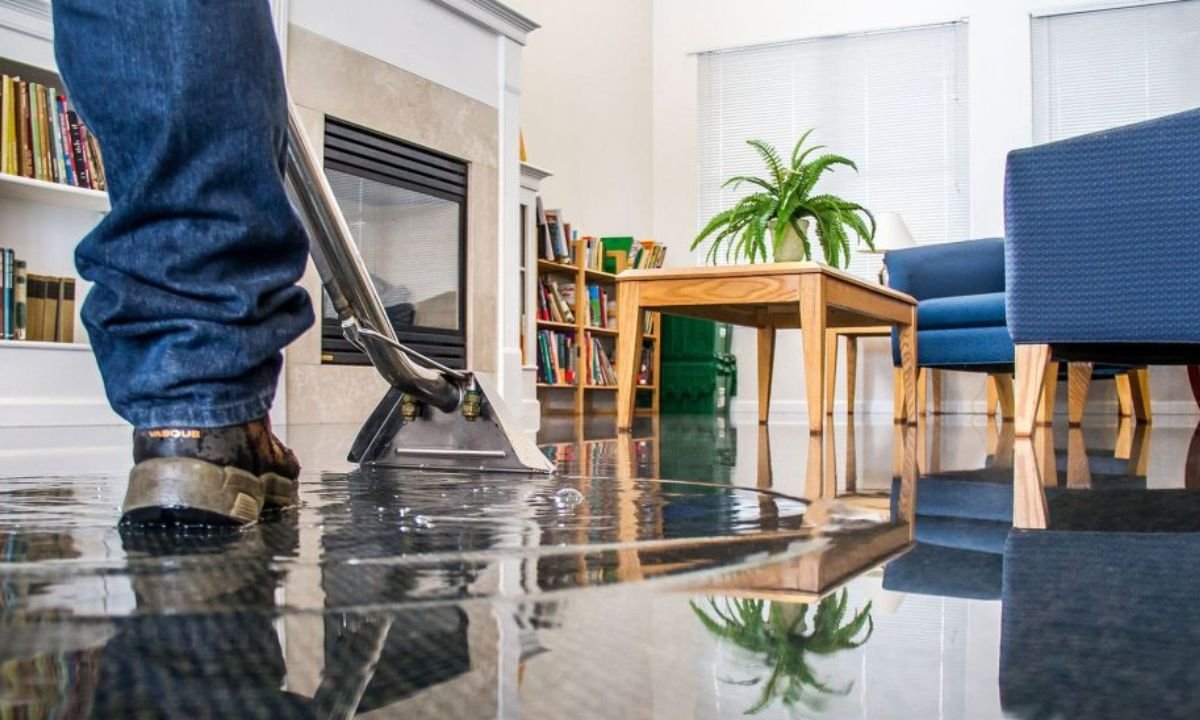
For a small clean-water spill, towels, mops, buckets, and a wet/dry vacuum may help remove surface water. Never use a standard household vacuum on standing water. If water came from sewage, outdoor flooding, or an unknown source, avoid do-it-yourself cleanup, as it could expose occupants to contaminants. Surface drying is not the same as structural drying. A floor or wall can look dry while moisture remains beneath the carpet, inside wall cavities, under the flooring, or within the insulation.
When To Call A Restoration Professional
Professional assessment is often the safer choice when the damage goes beyond a small, contained clean-water incident. Specialized extraction, moisture measurement, dehumidification, and controlled airflow can help identify moisture that household tools cannot reach.
- Water has reached drywall, ceilings, insulation, subfloors, or crawlspaces.
- The water is sewage, floodwater, or from an unknown source.
- There is a musty odor after visible water has been removed.
- The affected area is too large for safe household cleanup.
- Electrical systems, HVAC equipment, or appliances may have been exposed.
What Not To Do During The First Day
- Do not enter standing water near active electrical equipment.
- Do not run wet appliances, electronics, or HVAC equipment that may be affected.
- Do not paint, caulk, install flooring, or cover damp materials.
- Do not assume a dry-looking wall or floor is dry inside.
- Do not use fans to spread air through areas affected by sewage or contaminated water.
How The Drying Process Usually Works
A professional drying plan commonly includes inspecting the affected areas, identifying the water source, extracting standing water, measuring moisture in building materials, placing air movers and dehumidifiers, and monitoring conditions as materials dry. Materials that cannot be safely dried or restored may need to be removed.
Questions Homeowners Often Ask
How Soon Should Cleanup Begin?
Begin safe cleanup as soon as possible after hazards are controlled. If there are electrical, structural, or contamination concerns, wait for qualified help.
Can Fans Dry A Water-Damaged Room?
Fans may assist with a small surface spill, but they may not remove moisture trapped beneath flooring or inside walls. They should not be used to circulate air from contaminated water damage.
Should The HVAC System Stay On?
That depends on the water source and whether the equipment or ductwork was affected. Avoid operating a system that could spread contaminated air or has been exposed to water.
Can Someone Stay In The Home?
The cost varies based on where the damage is located and how extensive it is, electrical safety, sewage exposure, structural concerns, humidity, odors, and whether drying equipment can operate safely around occupants.
When Does Water Damage Become A Mold Concern?
Mold concerns increase when building materials remain damp. The practical priority is to remove moisture from affected materials rather than relying only on surface cleaning.
A Simple 24-Hour Checklist
- First 15 minutes: Protect people, identify hazards, and stop the source if safe to do so.
- First hour: Photograph the damage and contact appropriate professionals.
- Hours 1 to 4: Move valuables, remove water if safe to handle, and separate damaged items.
- Hours 4 to 12: Begin controlled drying and notify your insurer when appropriate.
- Hours 12 to 24: Check hidden areas and avoid rebuilding or covering damp materials.
Conclusion
The first 24 hours after water damage call for calm, organized action to reduce further damage and protect the property. Start by making sure everyone is safe, then stop the water source if it is safe to do so. Document affected areas with photos and videos, contact your insurance provider when appropriate, and move valuable belongings away from moisture. Remove standing water when possible and begin drying affected areas while avoiding electrical hazards and contaminated materials. Pay attention to damp carpets, flooring, walls, and furniture, as moisture can spread beyond what is immediately visible. When water damage is widespread, involves sewage or other contaminated water, or reaches areas inside walls and beneath floors, professional restoration support may be necessary. Qualified professionals can evaluate the damage, operate suitable drying equipment, and detect concealed moisture that may cause mold problems or further property damage if left untreated. Taking prompt, careful steps can help limit losses and make the recovery process more manageable.