









Selecting the Foundation of Comfortable Living Spaces
We all seek comfort. Our homes are more than just places to live; they are personal sanctuaries. A truly comfortable living space supports our well-being and helps us relax. This is especially true in today’s world.
Creating a comfortable environment is key, whether you are upgrading your current home or settling into a new furnished rental. For example, individuals seeking Detroit comfortable corporate living spaces understand the value of a well-appointed home.
In this extensive guide, we will explore all aspects of comfortable living. We will cover everything from selecting the right furniture to designing cozy areas. We will also discuss current trends, budget-friendly options, and essential maintenance tips. Join us as we transform houses into truly comfortable homes.
The living room sofa often serves as the heart of a comfortable living space. It’s where we unwind, entertain, and spend quality time. Therefore, selecting a sofa that offers both comfort and durability is paramount. We look for pieces that promise years of relaxation and stand up to daily use.
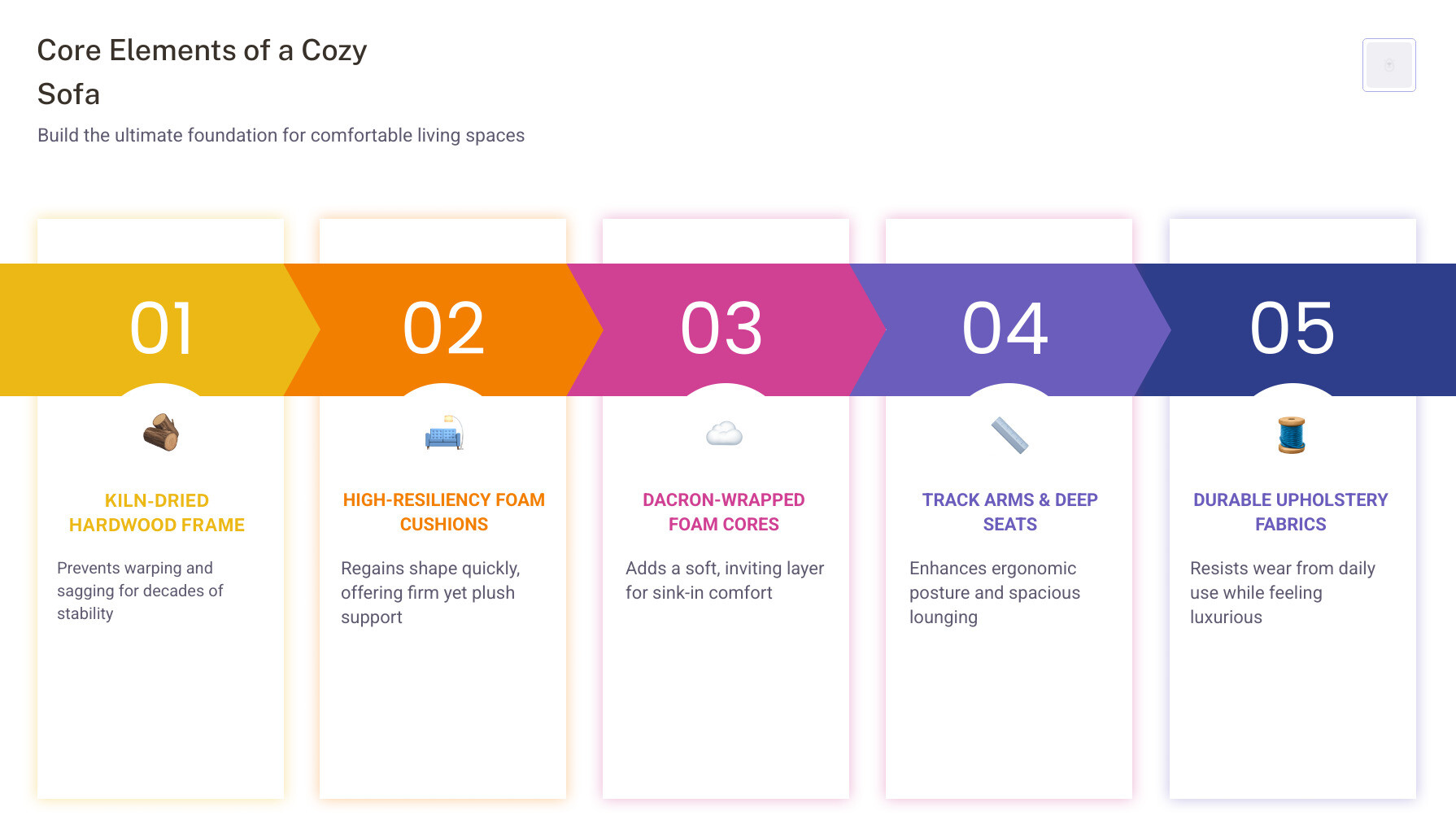
Key factors contributing to a sofa’s comfort and longevity include its internal construction and the quality of its cushioning. A robust frame, typically crafted from kiln-dried hardwood, forms the backbone of a durable sofa, preventing warping and ensuring stability. For superior comfort, high-resiliency foam is a popular choice for cushions. This type of foam offers excellent support and quickly regains its shape, preventing sagging over time. Often, these foam cores are wrapped in Dacron or a down blend, providing an additional layer of softness and a plush, inviting feel that encourages sinking in.
Beyond the internal components, exterior design elements also contribute to comfort. Deep-seated silhouettes allow for ample lounging space, inviting users to stretch out and relax. Track arms, while offering a clean, modern aesthetic, can also provide a comfortable resting place for arms or a supportive boundary for pillows. The overall ergonomics of a sofa – how it supports the body’s natural curves – is also crucial. A well-designed sofa will provide adequate back support, preventing discomfort during extended periods of sitting.
When considering the investment in quality furniture, especially for furnished rentals where durability is key, understanding these foundational elements is essential. For those furnishing properties in urban centers, creating attractive and resilient living spaces is a top priority. For instance, ensuring Detroit has comfortable corporate living spaces often involves selecting furniture that withstands frequent use while maintaining a welcoming aesthetic.

Choosing the Right Size and Configuration
One of the most common challenges in furnishing a living room is selecting the right size sofa or sectional. A piece that is too large can overwhelm a space, making it feel cramped, while one that is too small can look lost and fail to provide adequate seating. We always recommend starting with precise measurements of your living space. This includes not only the room’s length and width but also the clearance zones around doorways, windows, and other furniture to ensure easy movement.
Modular flexibility offers an excellent solution for rooms of varying sizes and evolving needs. Modular sectionals can be reconfigured to fit different layouts, making them ideal for adaptable living spaces. You can add or remove pieces to create a larger seating arrangement for entertaining or a more compact setup for everyday use. When choosing a sectional, consider its orientation – “right arm facing” (RAF) or “left arm facing” (LAF) – to ensure it aligns perfectly with your room’s flow and other furniture.
It’s also crucial to measure entryways, hallways, and stairwells to ensure your chosen furniture can actually fit into your home. A tight corner or narrow doorway has thwarted many a delivery. Beyond mere fit, consider the scale and proportion of the sofa relative to other items in the room. A massive sectional might dwarf a small coffee table, disrupting the visual balance. Aim for harmony, where each piece complements the others without dominating the space. Thoughtful arrangement tips, such as floating a sofa in the middle of a large room to define zones or placing it against a wall in smaller spaces, can significantly enhance both comfort and functionality.
Enhancing Everyday Comfort with Functional Features
Modern living room furniture goes beyond basic seating, incorporating features that enhance everyday comfort and convenience. These innovations cater to a lifestyle where the living room often serves multiple purposes, from a relaxation hub to a casual workspace.
Power reclining mechanisms let you effortlessly adjust to your preferred lounging position with the touch of a button, providing personalized comfort. Many contemporary models also include integrated USB ports, making it easy to charge phones or tablets while you relax, eliminating the need for inconvenient wall outlets. Sleeper functions are invaluable for maximizing space, transforming a stylish sofa into a comfortable bed for overnight guests, a common feature in many furnished apartments.
For those who value tidiness and organization, hidden storage compartments in ottomans or sectionals offer a discreet place to stow blankets, magazines, or remote controls. Adjustable headrests provide crucial neck and head support, allowing users to customize their seating experience. While manual recliners offer a more traditional approach, power mechanisms often provide a smoother, more precise adjustment. These features not only add a layer of luxury but also significantly enhance the functionality and comfort of your living space, enabling seamless transitions between activities such as watching a movie, reading a book, or even working from home.
Designing Cozy and Functional Living Areas on a Budget
Creating a cozy and inviting living room doesn’t necessarily require an extravagant budget. With thoughtful choices and strategic planning, we can transform any space into a comfortable retreat without breaking the bank. The key lies in focusing on essential elements that maximize comfort and atmosphere, rather than solely on high-priced items.
One of the most impactful ways to achieve coziness on a budget is by carefully selecting budget-friendly sofas. While luxury options abound, the market offers a surprisingly wide array of affordable yet comfortable sofas, many priced under $500. These often come in durable fabric upholstery, which is both practical and aesthetically pleasing. For instance, statistics show that 85 affordable sofas under $500 are available, with fabric upholstery the most common material, appearing in 659 sofa options. Grey sofas are also a popular and versatile choice, with 403 options available, making it easy to find a stylish yet economical centerpiece.
Beyond the main seating, layering textiles is a powerful technique to introduce warmth and softness. Throw blankets in varying textures, from chunky knits to plush fleece, can instantly make a sofa or armchair more inviting. Area rugs, even inexpensive ones, define spaces, add warmth underfoot, and introduce color and pattern. We can find curtains starting at $5, pillows from $3, and throw blankets from $2, proving that small accents can make a big difference.
Ambient lighting plays a crucial role in setting a cozy mood. Instead of harsh overhead lights, opt for floor lamps, table lamps, and even string lights to create soft, diffused illumination. These can be found at various price points and significantly contribute to the overall atmosphere. Finally, don’t underestimate the power of secondary seating options like poufs, floor cushions, or even small accent chairs, which can be sourced affordably and offer flexible seating for guests or a quiet reading nook.
As we consider all aspects of home comfort, it’s worth remembering that the journey into a home begins at the entryway. Just as a comfortable living space is essential, so too is a welcoming and secure entrance. For those looking to enhance the overall comfort and security of their dwelling, creating comfortable home entryways is a vital step in upgrading any living space.
Trends in Comfortable Living Spaces for 2025
The world of interior design is constantly evolving, and living room furniture trends for 2025 emphasize a blend of comfort, functionality, and aesthetic appeal. We are seeing a distinct shift towards creating spaces that feel like a true sanctuary, prioritizing well-being and personalized style.
Neutral color palettes continue to dominate, offering a calm, timeless backdrop that allows for flexible decor. Shades of grey, beige, and white are particularly popular, as evidenced by the market’s extensive offerings; grey sofas alone account for 403 options. These soothing tones create a serene atmosphere, perfect for relaxation.
Tactile materials are also taking center stage, inviting touch and adding depth to a space. Think plush velvets, soft bouclé, textured chenille, and natural linen blends that contribute to a luxurious yet approachable feel. These materials are not just about aesthetics; they enhance the sensory experience of comfort.
Organic shapes and curved furniture are gaining traction, moving away from rigid lines toward more fluid, natural forms. This trend extends to sofas, chairs, and coffee tables, creating a softer, more inviting aesthetic that promotes a sense of ease.
Multi-use zones are becoming increasingly important in modern living rooms, reflecting our evolving lifestyles. With more people working from home or seeking versatile spaces, furniture that can adapt – such as modular sectionals or sofas with integrated work surfaces – is highly sought after. This allows a single room to seamlessly transition from a family gathering spot to a quiet workspace or a cozy reading nook.
Sustainable textiles and biophilic design, which incorporates natural elements like plants and natural light, are also prominent trends. Consumers are increasingly conscious of environmental impact and seek furniture made from eco-friendly materials or designs that bring the outdoors in, fostering a healthier living environment. These trends collectively aim to create living spaces that are not only stylish but also deeply comfortable, functional, and aligned with a holistic approach to well-being.
Maximizing the Longevity of Your Living Room Furniture
Investing in comfortable living room furniture is a significant decision, and ensuring its longevity is key to enjoying that comfort for years to come. Proper maintenance not only preserves the aesthetic appeal of your pieces but also sustains their structural integrity and plushness. We believe that a little effort in caring for your investment goes a long way toward protecting it.
Understanding cleaning symbols is the first step in effective furniture maintenance. These small tags, often found under cushions or on the underside of furniture, provide crucial instructions. “W” indicates that water-based cleaners can be used, while “S” suggests solvent-based cleaners. “WS” means that either water-based or solvent-based products are suitable, offering more flexibility. The symbol “X” is a warning, signifying that the fabric should only be vacuumed or professionally cleaned, as water or solvent cleaners could cause damage. Ignoring these symbols can lead to discoloration, shrinkage, or damage to the upholstery, compromising both comfort and appearance.
For busy households, stain-resistant treatments and machine-washable covers are game-changers. Performance fabrics like Crypton offer advanced stain and spill resistance, making them ideal for families with children or pets. Similarly, sofas with removable, machine-washable covers, a common feature in many modern designs, simplify cleaning and help keep your furniture looking fresh. These practical features significantly reduce the stress associated with everyday spills and wear.
When purchasing furniture, it’s also wise to inquire about the manufacturer’s warranty and return policy. Reputable retailers often offer warranties that cover defects in materials and artistry, providing peace of mind. Understanding the return policy, including the timeframe and any associated fees, is also important in case the furniture doesn’t meet your expectations once it’s in your home. Finally, delivery logistics should be considered. Many retailers offer free shipping in select areas or provide detailed delivery options based on your ZIP code, ensuring your new, comfortable pieces arrive smoothly and hassle-free.
Personalizing Comfortable Living Spaces with Custom Accents
A truly comfortable living space reflects your personality and caters to your specific needs. While the core furniture pieces lay the foundation, it’s the custom accents and complementary items that infuse a room with character, warmth, and enhanced functionality. We often find that personalization is the secret ingredient to transforming a generic space into a cherished home sanctuary.
Custom upholstery offers an unparalleled opportunity to personalize your living room. Choosing specific fabrics, colors, and patterns allows you to create a sofa or accent chairs that perfectly match your aesthetic vision. Whether you prefer a vibrant velvet, a subtle linen, or a durable performance fabric, custom options ensure your furniture is uniquely yours. Similarly, modular configurations provide flexibility, allowing you to arrange and rearrange your seating to suit different occasions or adapt to changing room layouts. This adaptability is particularly valuable in furnished rentals, where residents may want to tailor the space to their temporary needs.
Complementary pieces play a significant role in overall living room comfort and style. Here’s a list of essential accessories that can elevate your space:
- Storage Ottomans: These versatile pieces can serve as extra seating, a footrest, a coffee table alternative, and provide hidden storage for blankets, magazines, or remote controls.
- Accent Chairs: A well-chosen accent chair, such as a cozy wing chair, can create a dedicated reading nook or provide additional seating that breaks up the visual monotony of a large sofa.
- Coffee Tables and End Tables: These offer convenient surfaces for drinks, books, and decorative items. Consider organic shapes or unique materials to add visual interest.
- Wall Shelving: Beyond mere storage, wall shelves can become personal ‘mini exhibitions,’ displaying books, cherished mementos, or artwork, adding a personal touch without cluttering surfaces.
- Decorative Pillows and Throws: Perhaps the easiest and most affordable way to inject color, texture, and immediate coziness into any living space. They can be changed seasonally or to refresh a room’s look.
- Lighting: Beyond overhead fixtures, table lamps and floor lamps create ambient light, enhancing the cozy atmosphere and providing task lighting where needed.
By carefully selecting and arranging these custom accents, we can create a living room that is not only comfortable and functional but also deeply personal and inviting. This approach is especially beneficial for those living in furnished apartments or corporate housing, where adding personal touches can make a temporary residence feel much more like home. For professionals seeking well-appointed, personalized living solutions, understanding how to enhance their comfortable corporate living spaces with these thoughtful details is invaluable.
Frequently Asked Questions about Comfortable Living Spaces
To further assist you in creating your ideal comfortable living space, we’ve compiled answers to some common questions.
What are the best upholstery materials for households with pets and children?
For households with pets and children, durability and ease of cleaning are paramount when choosing upholstery materials. Performance fabrics like microfiber or treated polyester blends are highly recommended. These materials are engineered to be stain-resistant, water-repellent, and incredibly durable, making them excellent at withstanding spills, dirt, and pet hair. They are often soft to the touch, providing comfort without sacrificing practicality.
Another resilient option is top-grain leather. While it may require a higher initial investment, leather is remarkably durable and easy to clean with a simple wipe. It also develops a beautiful, natural patina over time, adding character to your furniture. While not entirely scratch-proof, minor scratches often blend into the leather’s natural texture. Faux leather can also be a budget-friendly alternative that offers similar maintenance benefits. When selecting, look for fabrics with a tight weave, as these are less likely to snag on pet claws.
How can I make a small living room feel more comfortable without cluttering it?
Making a small living room feel comfortable without clutter requires strategic planning and smart furniture choices. We recommend prioritizing multi-functional furniture. For example, storage ottomans can serve as extra seating, a footrest, or a coffee table while hiding away clutter. Nesting tables provide a flexible surface area that can be tucked away when not in use.
Visually, light color palettes for walls and larger furniture pieces can make a room feel more expansive and airy. Incorporating mirrors strategically can also create an illusion of greater space and reflect light, brightening the room. To introduce coziness, focus on layering soft textures through throw blankets, decorative pillows, and area rugs. Choose rugs that are appropriately sized for the room to avoid overwhelming the space.
Finally, ensure that all furniture is scaled appropriately for the room. Overly large pieces will make the space feel cramped. Opt for pieces with slender legs or open bases to allow light and sightlines to flow through, contributing to an uncluttered feel. Vertical storage solutions, like wall-mounted shelves, can also help keep floor space clear while providing display areas for personal items.
What do the different furniture cleaning codes mean?
Furniture cleaning codes are essential guidelines provided by manufacturers to ensure you clean your upholstery correctly, preventing damage and prolonging the life of your furniture. Here’s a breakdown of the most common codes:
- “W” (Water-Based Cleaner): This code indicates that you can use a water-based cleaning solution. This typically means distilled water with a mild detergent or a specialized upholstery cleaner designed for water-safe fabrics. Always test in an inconspicuous area first.
- “S” (Solvent-Based Cleaner): For fabrics marked with “S,” you should use a solvent-based cleaner, also known as a dry-cleaning solvent. Water can cause staining or shrinking on these fabrics. Again, always test a small area first.
- “WS” or “SW” (Water-Based or Solvent-Based Cleaner): This code offers the most flexibility, as the fabric can be cleaned with either a water-based or a solvent-based cleaner. This versatility makes maintenance easier for common spills.
- “X” (Vacuum Only / Professional Cleaning): This is the most restrictive code. “X” means the fabric should only be vacuumed to remove dirt and dust. Neither water-based nor solvent-based cleaners should be used, as they can damage the material. For deeper cleaning, professional upholstery cleaning is recommended.
Always consult your furniture’s specific cleaning code before attempting any cleaning method to protect your upholstery and maintain its comfort and appearance.
Conclusion
Creating comfortable living spaces is an art that balances aesthetics with functionality, personal style with practical needs. Throughout this guide, we’ve explored the myriad elements that contribute to a truly inviting home, from the foundational choice of a durable and comfortable sofa to the subtle nuances of lighting and textile layering. Whether you’re furnishing a new home, upgrading an existing one, or settling into a furnished rental, the principles remain the same: prioritize quality, understand your space, and infuse it with personal touches.
Our homes are more than just structures; they are sanctuaries where we seek solace, recharge, and make memories. By making informed decisions about furniture construction, upholstery materials, and functional features, we invest not just in furniture but in our daily well-being. Coupled with thoughtful design choices, such as embracing current trends like tactile materials and multi-use zones, and diligent maintenance practices, we can ensure our living spaces remain comfortable and beautiful for years to come. A comfortable living space is a reflection of intentional design and care, offering a haven of functional elegance that truly feels like home.