









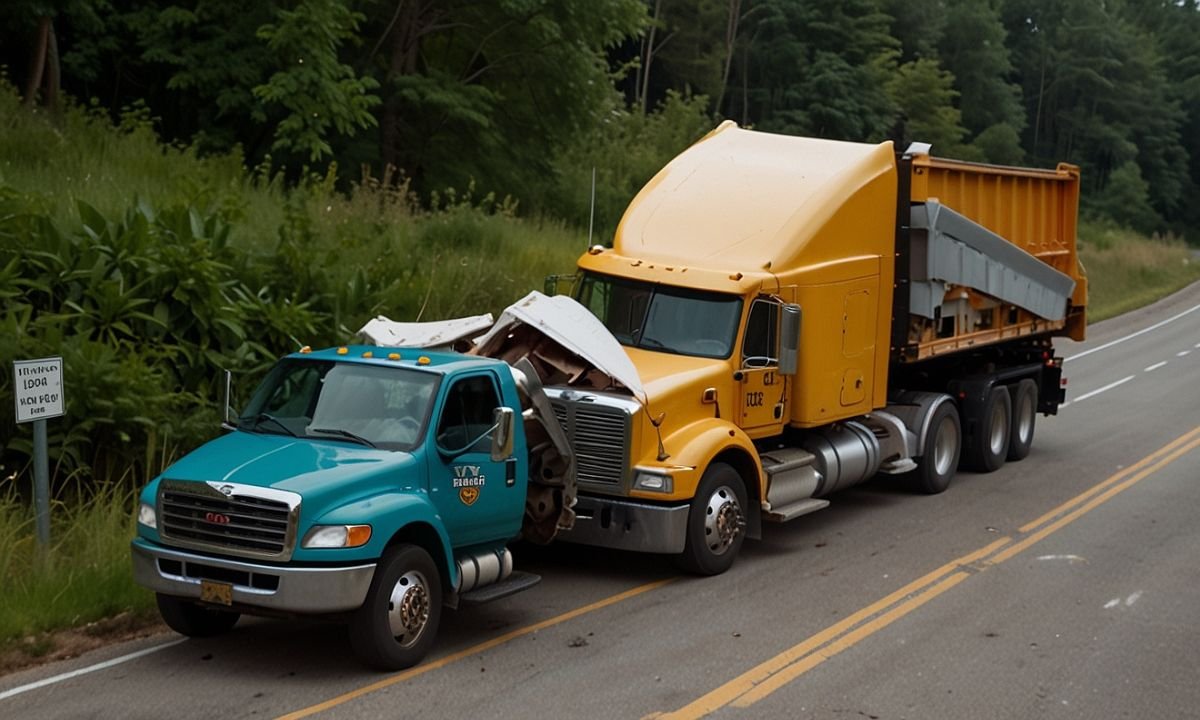
Jackknife accidents are among the most severe and frightening incidents that can occur on Colorado highways, especially due to the region’s distinctive terrain and unpredictable weather. These accidents occur when a truck’s trailer swings out and forms an acute angle with the cab, resembling a folding knife. Understanding how these accidents occur and recognizing the factors involved can help drivers and trucking companies take proactive measures to reduce their frequency. If you or a loved one has been affected by a jackknife accident, consulting a Lakewood truck accident attorney can help you understand your legal options and rights. Jackknife accidents often have devastating consequences, including multi-vehicle pileups, severe injuries, and extensive road closures. These incidents are not only disruptive but can also be fatal. By exploring the major causes of jackknife accidents on Colorado highways, individuals can better protect themselves and promote safer driving environments.
What Is a Jackknife Accident?
In a jackknife accident, the trailer of a semi-truck swings out from behind the tractor, folding sharply in a way that blocks traffic or causes a loss of vehicle control. The term “jackknife” comes from the similarity to a pocketknife folding on itself. The physics of jackknifing typically involves a loss of traction, whether from sudden braking, steering, or acceleration, which causes the trailer to slide independently of the cab. This loss of alignment makes it extremely difficult for the driver to recover the rig in time to avoid an accident. For more insights on traffic accidents and transportation safety, visit the National Highway Traffic Safety Administration.
Adverse Weather Conditions in Colorado
Colorado highways are notorious for their rapidly changing weather conditions. Snowstorms, icy roads, and freezing rain often reduce tire traction, making it easier for heavy trucks to lose control, especially on steep mountain passes. Slippery road surfaces can cause a trailer to slide during braking, dramatically increasing the likelihood of jackknifing. Black ice is a common threat, often catching both experienced and inexperienced drivers off guard in the early morning or late evening hours.
The Role of Speed and Sudden Braking
High speeds combined with Colorado’s winding mountain roads create prime conditions for jackknife accidents. When a driver travels too fast for road or weather conditions, even a minor adjustment, such as a quick brake or tight turn, can trigger a loss of control. Sudden braking is especially dangerous because it can lock the truck’s wheels, causing the trailer to whip around violently. These dangers are exacerbated by the longer stopping distances of heavier vehicles, particularly on steep grades.
Equipment and Maintenance Issues
Mechanical failures play a significant role in jackknife accidents. Worn brake pads, imbalanced cargo, or malfunctioning anti-lock braking systems (ABS) may all contribute to a trailer’s instability. Trucking companies have a legal responsibility to inspect, maintain, and service their fleets regularly. When neglected, critical systems can fail at the worst possible moment, greatly increasing the chances of a jackknife incident.
Driver Experience and Fatigue
Driver error remains a leading cause of jackknife accidents. Inexperienced drivers may be unprepared for Colorado’s unique challenges, including high-altitude driving, sudden weather changes, and demanding terrain. Overconfidence or a lack of training in handling a trailer in a skid can lead to overcorrection, making matters worse. Additionally, driver fatigue is a significant factor, as exhausted drivers are slower to react and more prone to mistakes. Hours-of-service regulations exist to keep truckers alert, but not all companies enforce them rigorously, putting everyone at risk.
Preventive Measures for Jackknife Accidents
Reducing jackknife accidents on Colorado highways begins with increased awareness and proactive safety practices. Truck drivers should reduce speeds when road conditions deteriorate or when descending mountainous sections. Regular vehicle maintenance is vital to ensure that braking systems, tires, and suspension components function optimally. Companies should also invest in comprehensive driver training programs that focus on defensive driving skills and proper cargo loading techniques. Motorists sharing the road with large trucks should give them extra space, avoid sudden lane changes, and remain patient, particularly in bad weather or congested areas.
Conclusion
Jackknife accidents remain a significant threat on Colorado highways, driven by a combination of adverse weather, equipment failures, high speeds, and human factors. By understanding the root causes and taking steps to address them, both professional drivers and everyday motorists can help prevent these devastating crashes. Ongoing education, maintenance, and a culture of safety are essential to reducing jackknife accidents and ensuring safer travel for everyone across Colorado’s roadways.