









Key Takeaways
- Accident reconstruction is critical in determining how fatal accidents occur and who may be at fault.
- Expert accident reconstructionists use technology and scientific principles to analyze crash scenes.
- Findings from accident reconstruction are vital for court cases and insurance claims involving fatalities.
- Independent analysis can bring closure to families while ensuring responsible parties are held accountable.
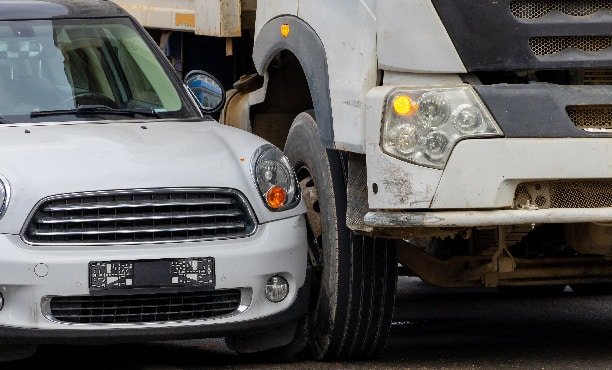
Fatal car accidents often leave behind complex questions that require more than just eyewitness accounts to solve. After a tragic collision, law enforcement and insurance companies must determine the sequence of events and the factors that led to the loss of life. In many cases, seeking help from a specialized Houston fatal accident law firm is vital to ensuring a thorough investigation and protecting the interests of grieving families. Accident reconstruction plays a crucial role in this process. Professionals in this field combine deep technical knowledge, forensic skills, and cutting-edge technology to recreate the moments leading up to the incident. Their findings often have a significant impact on legal claims, civil litigation, and criminal proceedings. By working closely with reconstruction experts, attorneys can enhance their understanding of the accident, support their clients’ cases, and pursue justice with greater confidence. This article will examine how accident reconstruction is conducted, how evidence is analyzed, and why this discipline is so central to finding the truth after fatal car accidents.
Understanding Accident Reconstruction
Accident reconstruction is a scientific approach to investigating crashes by analyzing physical evidence left at the scene. Reconstructionists use physics, engineering principles, and data from damaged vehicles to determine speeds, trajectories, and points of impact. In fatal car accidents, their role becomes even more important because deceased victims cannot provide testimony, and the cause and responsibility must be clearly established.
Gathering Evidence
The process starts with collecting evidence from the scene as soon as possible. Important physical evidence includes skid marks, debris patterns, vehicle positions, and damage profiles. Experts may also rely on photographs, video surveillance, and even data recovered from vehicle event data recorders, commonly known as “black boxes.” All of these details are meticulously documented to ensure accuracy in subsequent analysis.
Using Technology in Reconstruction
Modern accident reconstruction heavily depends on technology. Laser scanners can create precise 3D models of crash scenes, and drone footage offers aerial perspectives. Computer simulations help experts recreate scenarios based on the collected evidence. This allows them to run multiple possible scenarios to verify which set of events most likely led to the fatal outcome.
The Impact of Accident Reconstruction on Legal Proceedings
Accident reconstruction is often critical in court. Judges and juries rely on expert testimony that clearly explains the technical aspects of a crash. These reconstructions can reveal excessive speed, distracted driving, mechanical failures, or environmental hazards that contributed to the accident.
Supporting or Challenging Claims
The work of a reconstructionist is not just about clarifying what occurred. Their findings can support one party’s claims or challenge the opposing side’s assertions. In wrongful death lawsuits or criminal cases, the conclusions presented by reconstruction experts can be the deciding factor in proving liability or innocence.
Providing Closure for Families
The fatalities in car accidents often leave families desperate for answers. Accident reconstruction provides much-needed clarity by objectively laying out the facts. These findings can also help families make informed decisions when seeking legal recourse or negotiating with insurance providers.
Why Independent Analysis Matters
Independent accident reconstruction ensures that no parties can unduly influence the investigation. Insurance companies, law enforcement, and both plaintiffs and defendants may hire their own reconstructionists to conduct parallel analyses. Discrepancies between their findings can reveal biases or errors, leading to greater transparency and fairness in resolving accident claims.
Complexities Addressed in Fatal Crash Analysis
Often, fatal car accidents involve more complicated circumstances than initially apparent. Factors such as inclement weather, poor roadway design, mechanical malfunctions, and unanticipated driver behavior can complicate the narrative of what happened. Accident reconstructionists are trained to look beyond the obvious, delving into nuanced factors such as tire tread separation, malfunctioning traffic signals, sightline obstructions, or improperly maintained road surfaces. Their comprehensive analysis often reveals contributing causes that were otherwise overlooked during the initial investigation, creating a more complete and fair evaluation of the incident. When fatalities occur at busy intersections or in multi-car pileups, the interplay among multiple vehicles and drivers requires in-depth analysis of timing, distances, and vehicle dynamics. Experts often reconstruct not only the main vehicles of interest but also the actions of nearby parties, examining whether evasive action might have been possible and determining whether multiple parties share responsibility. This level of detail supports courts and families in achieving a nuanced understanding that goes beyond simple blame, focusing instead on all root causes and safety lessons.
The Human Element and Prevention
Another valuable outcome of accident reconstruction is its role in prevention. Insights gathered from post-collision analysis frequently inform public authorities and policymakers. For example, recurring accidents at a particular intersection might reveal a hazardous design flaw, prompting changes to traffic signaling or road engineering to reduce future risks. In other cases, findings from reconstruction can prompt vehicle manufacturers to address unsafe mechanical components or to launch campaigns against distracted or impaired driving.
Accident reconstruction does not serve only a retroactive function; by providing closure and resolving disputes, it advances broader societal efforts to enhance road safety and protect life. This ongoing process of analysis, reporting, and reform helps transform tragedy into opportunity, so communities can work together to prevent similar accidents and spare other families from loss.
Conclusion
Accident reconstruction is indispensable in fatal car accident cases because it provides clear answers amid tragedy and uncertainty. By leveraging science, technology, and expert testimony, reconstructionists help the legal system and affected families uncover what truly happened and who should be held accountable. Their work makes a meaningful difference in the pursuit of justice and in bringing closure to families following devastating losses.
READ ALSO: Dui Laws In Colorado What Drivers Need To Know