







Understanding Personal Injury Compensation
When someone is hurt due to another’s negligence, the aftermath can be physically, emotionally, and financially overwhelming. Compensation in personal injury cases is designed to make the injured party whole again by addressing the many ways an accident may impact their life. Whether the case involves a car crash, a slip and fall, or medical malpractice, knowing the categories of damages available is essential for claimants and their families. Individuals should consult experienced law firms like Sattiraju & Tharney, LLP to guide them through the complexities of filing a claim and pursuing fair compensation.
The right to compensation does not erase the challenges faced after an injury, but it does offer a path toward financial stability and access to necessary care. Personal injury compensation helps offset costs associated with medical care, lost income, long-term treatment, and emotional suffering, allowing individuals to focus on recovery.
There are several kinds of compensation available in personal injury cases, commonly referred to as “damages.” Each type serves a unique purpose, offering relief for different consequences of an accident.
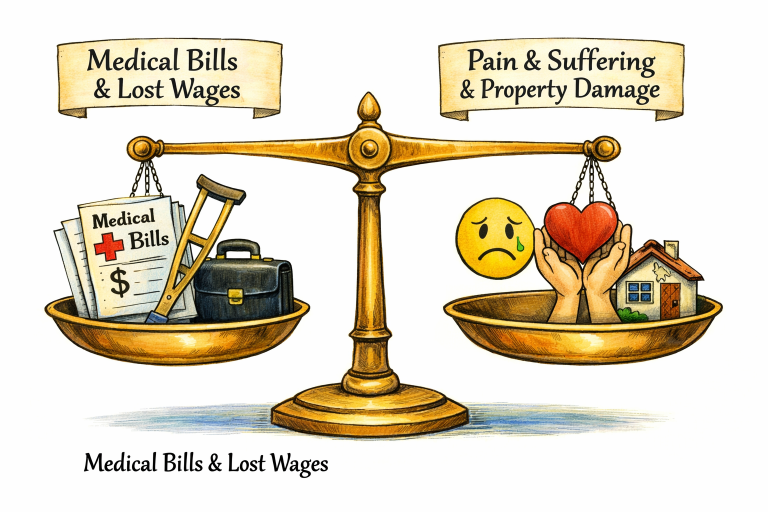
These are often the most immediate and substantial costs following an injury. Compensation for medical expenses includes emergency care, hospital bills, prescription medication, rehabilitation, physical therapy, and any ongoing treatment required for a full recovery.
It is important to keep detailed records and receipts for all medical costs associated with your injury, as these documents are vital for substantiating your claim. Additionally, medical expenses may cover future medical treatments that are reasonably anticipated based on the severity and prognosis of the injury. Future care may include surgeries, follow-up visits, assistive devices, and home healthcare services as recommended by medical experts.
Lost Wages
If injuries prevent a victim from working during recovery, compensation for lost wages becomes critical. This includes both income lost during time off work and any loss of future earning potential if the injury leads to long-term or permanent disability.
Calculating lost wages requires an assessment of previous earnings, typical hours worked, and any lost benefits such as bonuses or commissions. In cases of permanent impairment, experts may be needed to evaluate the projected impact on your career and future income stream.
Pain and Suffering
Not all damages are tangible. Pain and suffering compensation is meant to address the physical pain and emotional distress caused by an injury. Calculating this type of damage can be challenging, as it relies on injury severity and documented impact on daily life. For an overview of how these damages are valued, see this guide from Nolo.
Circumstances that increase pain and suffering awards can include extended recovery time, permanent disfigurement, or lifelong limitations. Testimonies from psychological professionals and daily journals kept by the injured individual can also serve as valuable evidence to support these damages.
Property Damage
Personal injury incidents often involve damage to personal property, such as vehicles in a car accident. Compensation can include repair or replacement costs for damaged items directly related to the incident.
This type of compensation can extend to any personal belongings that were destroyed or damaged as a direct result of the accident. For example, electronic devices, clothing, or valuable merchandise in your car at the time of a collision may also be covered.
Loss of Consortium
Injuries can affect relationships between the victim and their spouse or family members. Loss of consortium damages recognize the negative impact on the victim’s ability to maintain a normal relationship or provide companionship and support.
These damages seek to acknowledge changes in the quality of a relationship, particularly when the injured person can no longer offer emotional support, affection, intimacy, or guidance. Loss of consortium is most commonly claimed by spouses but may, under certain circumstances, extend to parents and children.
Emotional Distress
Some accidents result in significant psychological effects, such as anxiety, depression, or post-traumatic stress disorder. Compensation for emotional distress acknowledges the lasting non-physical effects an accident may have on an individual.
Emotional distress damages are frequently sought in cases where the trauma of the event significantly impairs the injured person’s ability to live normally. Documentation from mental health professionals and testimony regarding changes in mood, behavior, and quality of life are important in demonstrating these injuries to insurers or courts.
Special and Punitive Damages
In addition to general compensatory damages, some personal injury plaintiffs may be entitled to special or punitive damages under specific circumstances.
Special Damages
Special damages refer to quantifiable financial losses resulting from an injury. They include out-of-pocket costs such as transportation to medical appointments, the cost of in-home care, or any modifications made to a home to accommodate a disability. Documenting these losses is crucial for securing reimbursement.
These damages may also encompass unique expenses that arise suddenly after an accident, such as specialized medical equipment, lost educational opportunities, or travel costs for obtaining medical care unavailable locally. Keeping thorough written records and receipts for all such expenditures strengthens any claim for special damages.
Punitive Damages
Punitive damages are less common but potentially significant. These are awarded in cases where the defendant’s behavior was especially reckless, malicious, or egregious. Unlike other types of damages that aim to compensate the victim, punitive damages are intended to punish the wrongdoer and deter similar conduct in the future. The standards for awarding punitive damages vary by state and are typically reserved for the most serious cases.
Courts award punitive damages only after careful consideration of evidence establishing egregiously poor conduct on the part of the defendant. The existence of criminal action or gross negligence, such as drunk driving, can often form the basis for punitive damages. These awards serve not only to benefit the victim but to reinforce public policy against dangerous behavior.
The Role of Legal Assistance in Maximizing Compensation
Navigating a personal injury claim can be complex, especially when various types of compensation are involved. Legal professionals have the experience to ensure all eligible damages are identified and fully pursued, including future costs and damages that may not be immediately apparent. Effective representation can make a significant difference in the compensation received, helping claimants address all aspects of their recovery.
Moreover, insurance companies may attempt to minimize payouts or challenge the legitimacy of certain claims. A personal injury lawyer can handle negotiations professionally and present compelling evidence for the full scope of damages. Attorneys also frequently collaborate with expert witnesses to substantiate the need for significant current and future compensation. Their advocacy ensures that clients’ rights remain protected from initial claim filing through settlement or, if necessary, trial.
Conclusion
Understanding the types of compensation available in personal injury cases is critical to ensuring a fair outcome for victims. Getting the right legal guidance helps ensure all avenues of compensation are explored and that both tangible and intangible losses are addressed. With proper support and knowledge, injured individuals can seek the financial relief necessary to move forward after an accident.
Every personal injury case is unique, and no two victims experience the same challenges or needs during recovery. Thoroughly assessing each aspect of damages and working closely with experienced attorneys allows individuals to maximize their compensation and rebuild their lives as completely as possible. By being proactive, organized, and informed about potential claims, accident victims put themselves in the strongest position to secure the justice and relief they deserve.
READ ALSO: How Georgia’s Injury Laws Handle Careless Behavior