









The financial industry in Tennessee is under increased pressure to respond to rising card fraud and growing consumer security demands. As technology advances, so do fraudsters’ methods, making advanced security measures more crucial than ever. At the forefront of these efforts is the adoption of card bonding Tennessee solutions, which are proving essential in strengthening the durability and security of financial cards across the state. By investing in reliable card bonding techniques, financial institutions can better protect customer data, reduce their vulnerability to fraud, and boost overall consumer confidence in their banking providers. With data breaches and fraudulent activity increasingly making headlines, the need for comprehensive, modern solutions that address both security and durability is clearer than ever for institutions serving customers in Tennessee.
What Is Card Bonding and Why Is It Important?
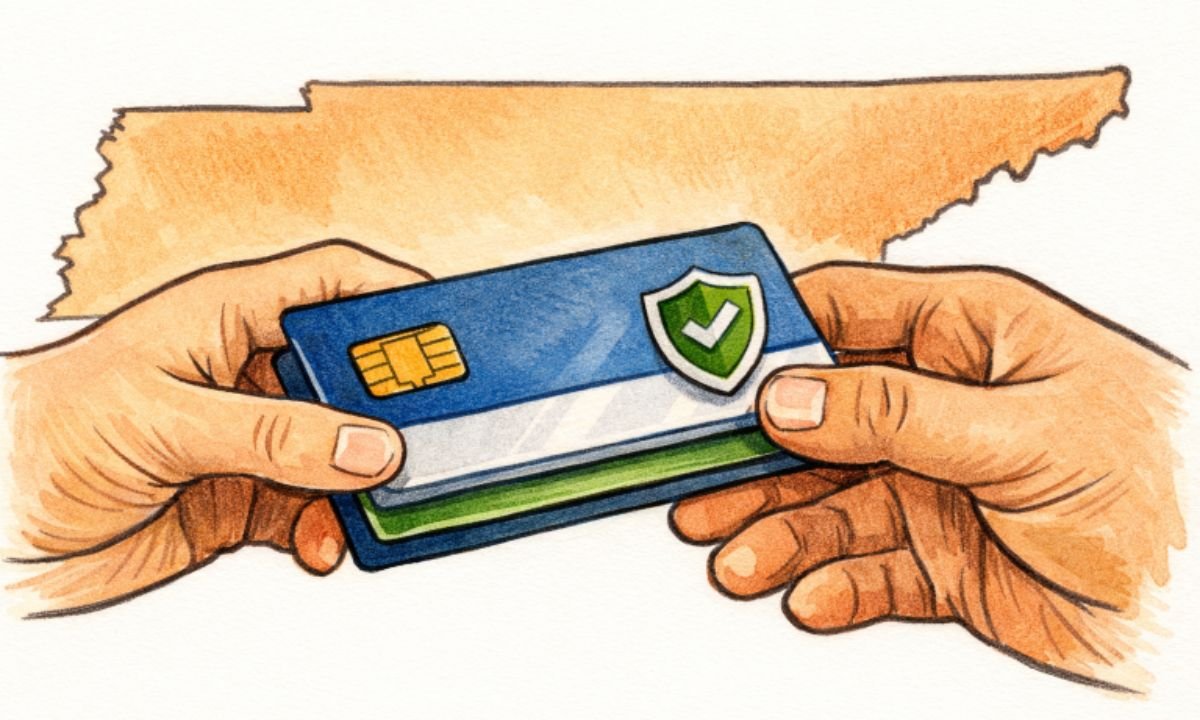
Card bonding is a manufacturing process that securely fuses multiple layers that make up a financial card. This combination of polymers, security features, and adhesives results in a product that is more resilient to physical damage and significantly harder to tamper with or counterfeit. Protecting each card with advanced bonding not only safeguards sensitive data but also extends the card’s lifespan, preventing wear that leads to premature replacements and increased costs for financial institutions. For customers, securely bonded cards bring peace of mind, knowing that their personal and financial information has an additional line of defense against increasingly sophisticated theft attempts.
How Prevalent Is Card Fraud in Tennessee?
The steady rise in card fraud across Tennessee mirrors a troubling national trend. According to a 2026 report from Security.org, more than 62 million Americans experienced credit card fraud in the past year, with Tennessee ranking among the states showing notable increases in reported cases. These statistics underscore the immediate need for more robust, responsive card security practices. Because card fraud can endanger not only individuals’ assets but also the reputations of financial providers, its impact is widespread, requiring a multi-layered security approach.
How Do Card Bonding Solutions Enhance Security?
The latest card bonding solutions utilize a variety of advanced technologies to deter counterfeiting and unauthorized alterations. Features such as embedded holograms, custom microtext, and unique serial numbers make replication substantially more difficult for criminals. Through tightly bonded card layers, any attempt to tamper with or separate the card components becomes immediately obvious. These security measures help financial institutions prevent fraud before it starts and deliver a level of card security that meets both regulatory and consumer expectations.
What Are the Benefits of Implementing Reliable Card Bonding Solutions?
- Enhanced Durability: Stronger card construction means cards withstand daily wear-and-tear better and last longer, reducing the operating costs associated with frequent re-issues.
- Improved Security: Investment in card bonding technologies reduces opportunities for tampering and fraudulent alterations, leading to a safer customer experience.
- Increased Customer Trust: As consumers become more aware of security risks, they increasingly value institutions that proactively protect their data and finances.
How Has Tennessee Responded to the Need for Improved Card Security?
Major Tennessee-based banks and credit unions have led the charge in adopting next-generation card issuance and bonding solutions. For example, First Tennessee Bank rolled out instant issuance options for both new and replacement cards, which enable customers to access secure payment methods on the spot without waiting for mail delivery. This approach not only thwarts fraudsters who may intercept cards in the mail but also raises the standard for service in a highly competitive market.
What Steps Can Financial Institutions Take to Implement These Solutions?
- Assess Current Security Measures: Begin with a rigorous analysis of current card issuance processes and identify areas of vulnerability or inefficiency.
- Partner with Reputable Providers: Work with card technology specialists who offer advanced bonding solutions tailored to the needs of the financial sector.
- Train Staff: Ensure all team members are well-versed in updated security protocols and the use of new card-issuing technologies.
- Educate Customers: Actively communicate with customers about the new security features and best practices they should follow to protect their information.
Frequently Asked Questions
What Is the Cost Implication of Implementing Advanced Card Bonding Solutions?
While adopting advanced solutions requires an initial financial outlay, the investment pays off in reduced fraud-related losses, lower card replacement costs, and long-term customer retention. The cumulative benefits typically outweigh the implementation expenses for most institutions. Additional data on the ROI of banking technology can be found in this Wall Street Journal analysis.
How Do These Solutions Affect the Customer Experience?
Cardholders receive more durable, secure cards, lessening worries about fraud and minimizing disruptions from card replacements. This results in a stronger, more trusting relationship between banks and their clients.
Are There Regulatory Requirements for Card Bonding in Tennessee?
Although regulatory specifics may vary, financial institutions are commonly required by federal and industry standards to implement comprehensive card security measures. Tennessee banks follow protocols in line with major national guidelines, safeguarding consumer data and limiting institutional risk. By adopting innovative card bonding solutions, Tennessee’s financial institutions are taking meaningful steps to shield customers against evolving security threats. The heightened durability and sophisticated security features enabled by these systems not only defend sensitive data but also underpin the public’s confidence in the state’s financial ecosystem.
Conclusion
As card fraud threats continue to evolve, financial institutions in Tennessee must remain proactive in strengthening both the security and durability of their payment cards. Reliable card bonding solutions provide an important layer of protection by making cards more resistant to tampering, counterfeiting, and everyday wear and tear. These technologies not only help reduce fraud-related risks and operational costs but also support a more secure and seamless banking experience for customers. By investing in advanced card bonding systems, financial organizations can reinforce consumer trust, improve long-term efficiency, and stay aligned with modern security expectations. Combined with employee training, customer education, and ongoing innovation, these solutions position Tennessee’s financial sector to better respond to emerging threats while maintaining confidence in the safety and reliability of card-based transactions.