









Efficient waste management has never been more critical as cities grow and environmental concerns increase. Urban leaders and communities are seeking new strategies to curb pollution, safeguard public health, and foster greener cities. In Charlotte and beyond, companies like Charlotte Dumpster Rental Company are stepping up to provide accessible, reliable waste-handling solutions. Whether you are a city planner or a homeowner, exploring innovative waste management practices is essential for building a more sustainable future.
The consequences of poor waste management reach far beyond unsightly trash piles. Environmental degradation, water pollution, and increased greenhouse gas emissions stem from inefficient waste disposal and recycling practices. Embracing solutions such as local partnerships, community involvement, and technological innovation can significantly move the needle toward cleaner neighborhoods and resilient urban infrastructure.
It is also important to recognize that waste management challenges vary among different urban environments. Densely populated cities face unique hurdles, from limited space for new disposal facilities to the sheer volume of waste generated each day. As more cities aspire to ambitious sustainability goals, focusing on proactive interventions is a powerful way to achieve positive change.
Cities and residents alike benefit when the entire waste lifecycle is carefully managed, from generation to final disposal or resource recovery. This includes large-scale construction projects, where proper debris containment not only streamlines the job but also protects local environments. Businesses and contractors can take advantage of residential Construction Dumpster Rentals to keep worksites safe and sustainable, ensuring compliance with regulations and community expectations.
Importance of Waste Management
Proper waste management is fundamental for urban health, environmental protection, and economic vitality. When unmanaged, waste can contaminate water supplies, degrade air quality, and strain municipal resources. According to the World Bank, cities generate over 2 billion tons of solid waste annually, a figure expected to rise as urban populations swell. The health risks include increased vector-borne diseases, respiratory illnesses, and negative impacts on neighborhood aesthetics and property values. Effective management practices, such as recycling and composting, help reduce reliance on landfills and promote circular economic models that benefit both current and future generations.
Innovative Approaches to Waste Management
Across the world, cities are experimenting with creative strategies to manage better the complex waste streams produced by modern urban life. For example, Hong Kong is pioneering the integration of food waste into sewage treatment processes. This method substantially reduces methane emissions that contribute to climate change and lowers municipalities’ operating costs. Additionally, some urban centers are piloting advanced sorting facilities utilizing artificial intelligence and robotics to increase recycling rates and recover valuable materials from household waste. These innovations not only address immediate disposal needs but also work toward long-term sustainability goals.
Case Studies of Successful Implementations
Globally, cities are earning recognition for their leadership in waste reduction and management. Hangzhou in China, for instance, has been listed among the United Nations’ top “zero waste” cities due to its innovative recycling and public education initiatives. Hangzhou’s efforts showcase the effectiveness of government support, comprehensive policy planning, and active community involvement in building urban resilience against mounting waste challenges (Hangzhou Government).
Challenges in Urban Waste Management
Despite innovation, urban areas continue to face obstacles in managing waste effectively. The rapid pace of urbanization often leads to higher volumes of trash, straining collection systems and landfill capacity. Limited space for new disposal facilities and budget constraints can force cities to make tough compromises. Moreover, public participation remains inconsistent, with littering and improper sorting still hampering the efficient operation of recycling and composting programs. Overcoming these barriers requires robust policy frameworks, sustained investment, and strong public-private collaboration.
Strategies for Improvement
Cities striving for greener futures are investing in a variety of best practices. Promoting source reduction, such as reducing single-use plastics and encouraging product reuse, offers significant environmental dividends. When combined with public awareness campaigns, recycling programs boost participation and lower contamination rates. Additionally, many municipalities are exploring waste-to-energy technologies that convert trash into clean power, creating win-win scenarios for both waste reduction and renewable energy generation. Effective regulation and enforcement also play a key role in maintaining high standards across the waste management sector.
Role of Technology in Waste Management
Technological advancement is transforming all aspects of the waste management lifecycle. Data analytics, GPS-enabled collection vehicles, and AI-driven sorting facilities are just a few examples of how technology boosts efficiency while minimizing costs. Innovations like AI-powered waste mapping can identify high-risk accumulation areas and support disaster preparedness by reducing flood risks associated with blockages. These intelligent systems are essential tools for urban planners and service providers aiming to create cleaner, safer cities for everyone.
Community Involvement and Education
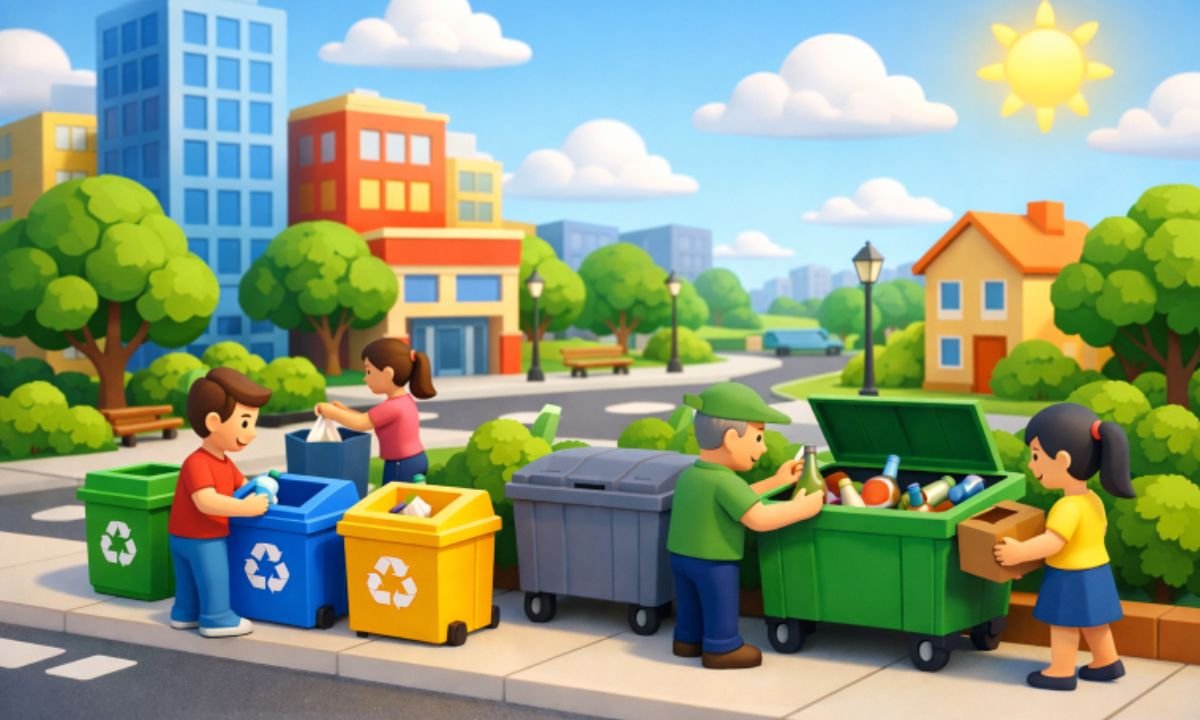
Lasting change requires the active participation of citizens. Community-based waste reduction initiatives, such as composting collectives, neighborhood cleanups, and recycling challenges, empower residents to take ownership of their local environment. Educational programs tailored for schools and public institutions foster a culture of sustainability that endures across generations. Simple incentives, clear communication, and partnerships with local businesses can further boost community engagement and create widespread behavioral shifts in waste management.
Conclusion
Sustainable waste management is a dynamic, community-wide effort that calls for innovation, technology, and strong local partnerships. By learning from successful global examples and leveraging tools such as responsible construction debris handling and residential services, cities can achieve measurable progress toward their environmental and public health goals. With everyone engaged, sustainable waste management is not just a distant aspiration but an achievable reality for communities large and small.