








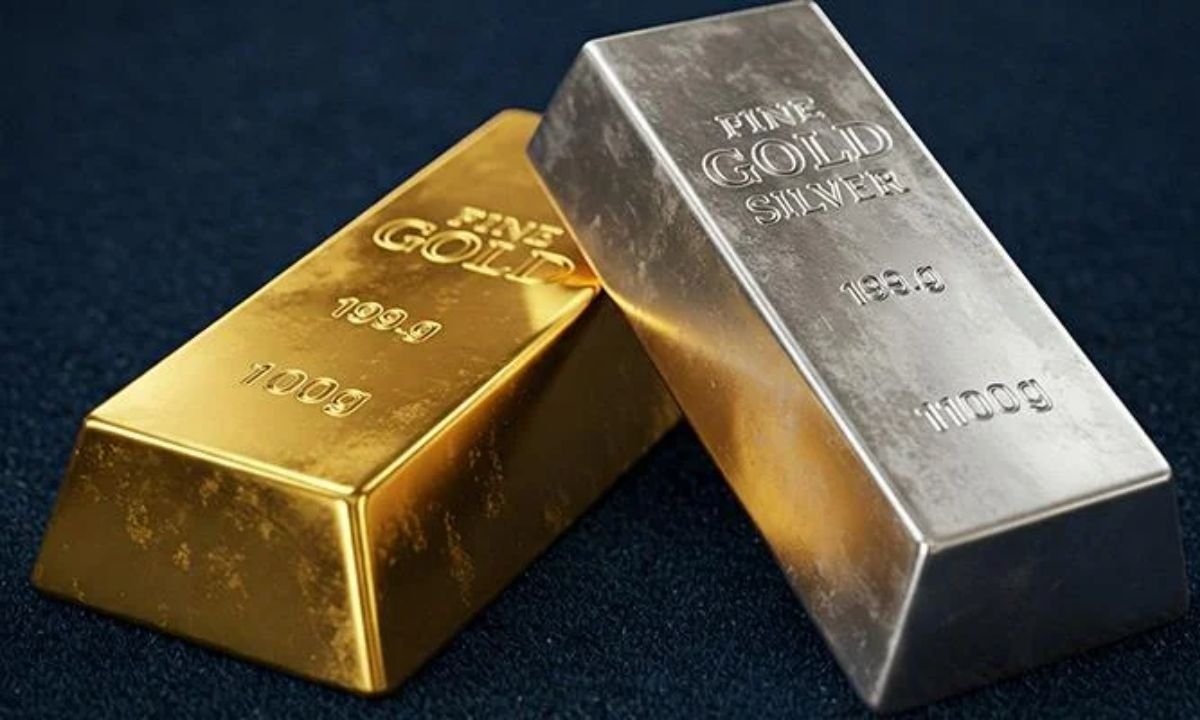
Most investors assume silver and gold move together. They check the silver price Australia, glance at gold, and expect a simple relationship between the two. But the market does not behave that neatly.
Silver often breaks away from gold in ways that confuse beginners and frustrate short-term traders. The reason is not random. It comes down to demand structure, local industrial use, and how Australia sits inside the global metals chain.
Once you understand that, the difference stops looking like noise and starts looking like a pattern.
The hidden driver behind the silver price in Australia
Gold behaves like a financial asset. Silver behaves like a hybrid.
That difference changes everything.
Gold reacts mainly to:
- Interest rates
- Inflation fears
- Currency strength
Silver reacts to those same forces, but it also reacts to something else most people overlook: industrial demand.
In Australia, that demand plays a bigger role than most investors realise. So when people track the silver price Australia, they are not just watching a precious metal. They are watching a material that feeds into real production systems.
Industrial demand changes the game
Silver shows up in far more places than gold ever does.
In Australia and global supply chains, silver supports:
- Solar panel production
- Electronics and circuit boards
- Medical applications
- Automotive components
This creates a second layer of demand that gold does not have.
So when manufacturing activity rises, silver demand can spike even if gold stays flat. And when industrial output slows, silver can drop even if gold holds steady.
That split explains why the silver price Australia often looks more volatile and less predictable than gold.
It is not emotional trading. It is industrial consumption shifting underneath the surface.
The silver-to-gold ratio tells the real story
The silver-to-gold ratio measures how many ounces of silver it takes to equal one ounce of gold. When this ratio shifts, it signals which metal the market prefers at that moment.
When the ratio rises:
- Silver lags behind gold
- Investors see silver as undervalued or underperforming
When the ratio falls:
- Silver outperforms gold
- Industrial demand or speculation pushes silver faster
This ratio explains why two investors can look at the same silver price Australia chart and draw completely different conclusions.
One sees weakness. The other sees opportunity.
Both can be right, depending on the cycle.
Why Australia adds its own twist
Australia does not just consume silver. It produces and processes it.
That matters because local supply chains influence how silver flows into the market. Mining output, refining capacity, and export demand all feed into pricing behaviour.
A few local factors matter more than most people expect:
- Mining supply pressure
Australia produces silver as a by-product of other mining operations. When those operations expand or contract, silver supply shifts even if global demand stays unchanged.
- Export-driven pricing
A large portion of Australian silver flows into global markets. That means local pricing often mirrors international demand more than domestic sentiment.
- Manufacturing and green energy demand
Australia’s growing solar and tech sectors create steady internal demand for silver, especially as renewable infrastructure expands.
These forces create small but noticeable gaps between local sentiment and global movement in the silver price Australia.
Why silver reacts faster than gold
Gold moves like a heavyweight. Silver moves like a lever.
Small changes in demand create bigger price swings in silver because the market is smaller and more sensitive. That includes industrial demand shifts, investor speculation, and supply disruptions.
So when manufacturing activity picks up, silver reacts quickly. When it slows, silver drops just as fast.
Gold does not behave the same way because it does not rely on factories or production cycles.
This is why silver often feels more unpredictable, even when macroeconomic conditions look stable.
Here is the part that surprises many people.
Silver does not just follow gold. It competes with it for investor attention while also serving a completely different economic role.